Why are 50,000 Telangana chicken shops going on strike from April 1?
The strike is a protest against poultry companies for drastically reducing profit margins for retail merchants.
By Newsmeter Network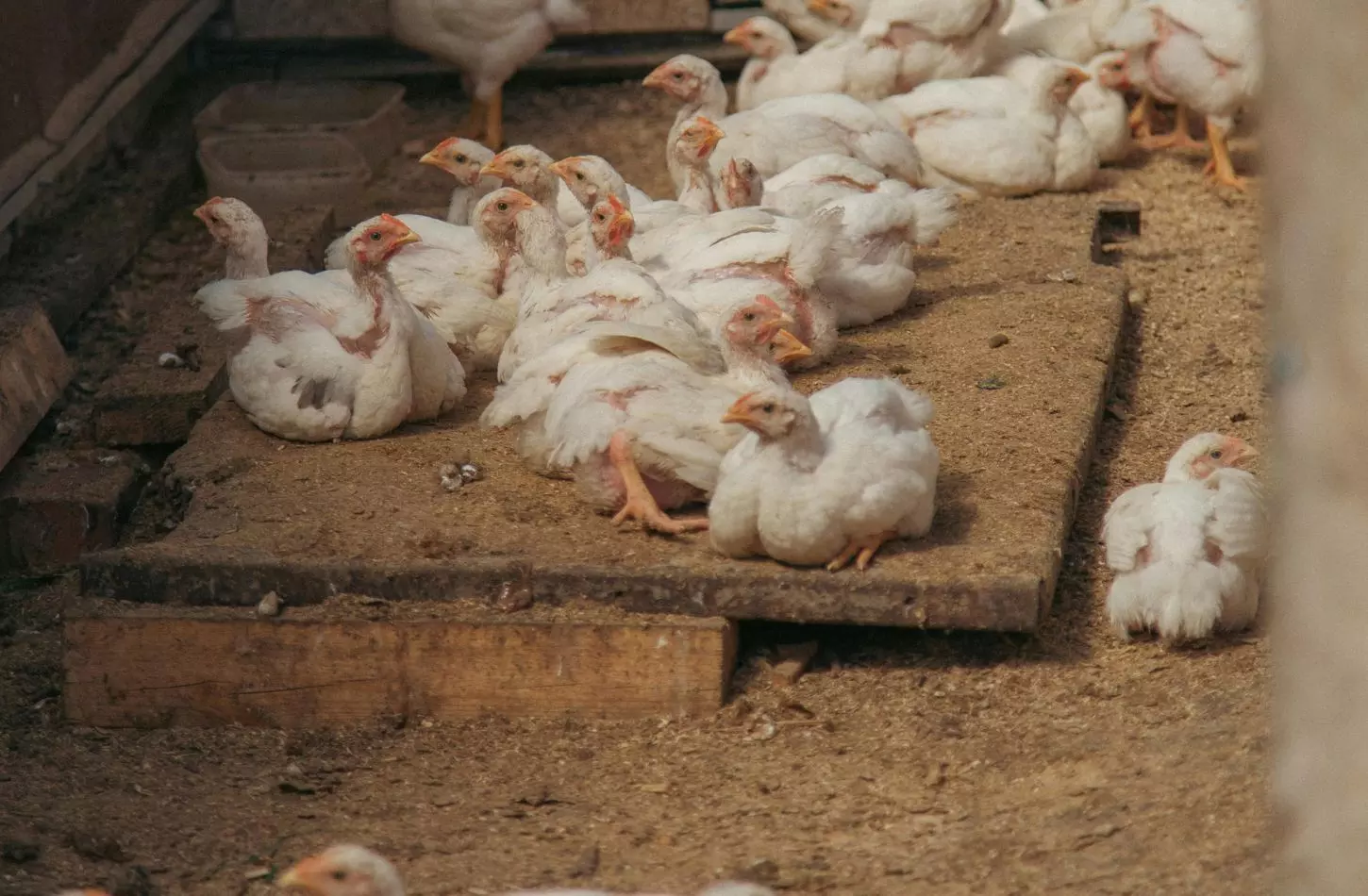
Representative Image
Hyderabad: Chicken lovers in Telangana may face a tough time starting tomorrow, April 1, as the Telangana Chicken Shop Owners Association has called for an indefinite statewide shutdown.
What is the protest about?
The strike is a protest against poultry companies for drastically reducing profit margins for retail merchants.
According to the association, the decision will affect approximately 50,000 retail chicken outlets operating across the state.
The margin dispute
The core of the issue lies in the commission that the retailers receive per kilogram of chicken sold.
Association leaders stated that for the past 20 years, poultry companies had maintained a steady margin of Rs 26 per kg for retail traders. However, in a recent move that sparked widespread anger, this margin was abruptly slashed to Rs 16 per kg.
“Operating a shop with a Rs 16 margin is impossible given the rising costs of electricity, rent and labour,” a representative of the association said. The retailers are now demanding that the margin be increased to at least Rs 30 per kg to match current economic conditions.
Impact on supply and consumers
The indefinite strike is expected to hit the supply chain hard, potentially leading to a shortage of chicken in local markets and a surge in prices at the few outlets that might remain open.
With 50,000 shops participating, the shutdown will impact both urban centres like Hyderabad and rural districts alike.
Retailers stand firm
The Association has made it clear that the protest will continue until poultry companies engage in a constructive dialogue and meet their demands.
They have urged the government to intervene to resolve the deadlock between the large-scale poultry integrators and the small-scale retail shop owners.
Until a consensus is reached, the supply of broiler chicken in Telangana remains uncertain, leaving consumers and the hospitality industry bracing for a significant disruption.


