Telangana DCA flags illegal over-the-counter sale of antibiotics; 190 medical shops booked
The enforcement action led to the detection of violations in 190 medical shops across the state, against which show cause notices have been issued.
By - Newsmeter Network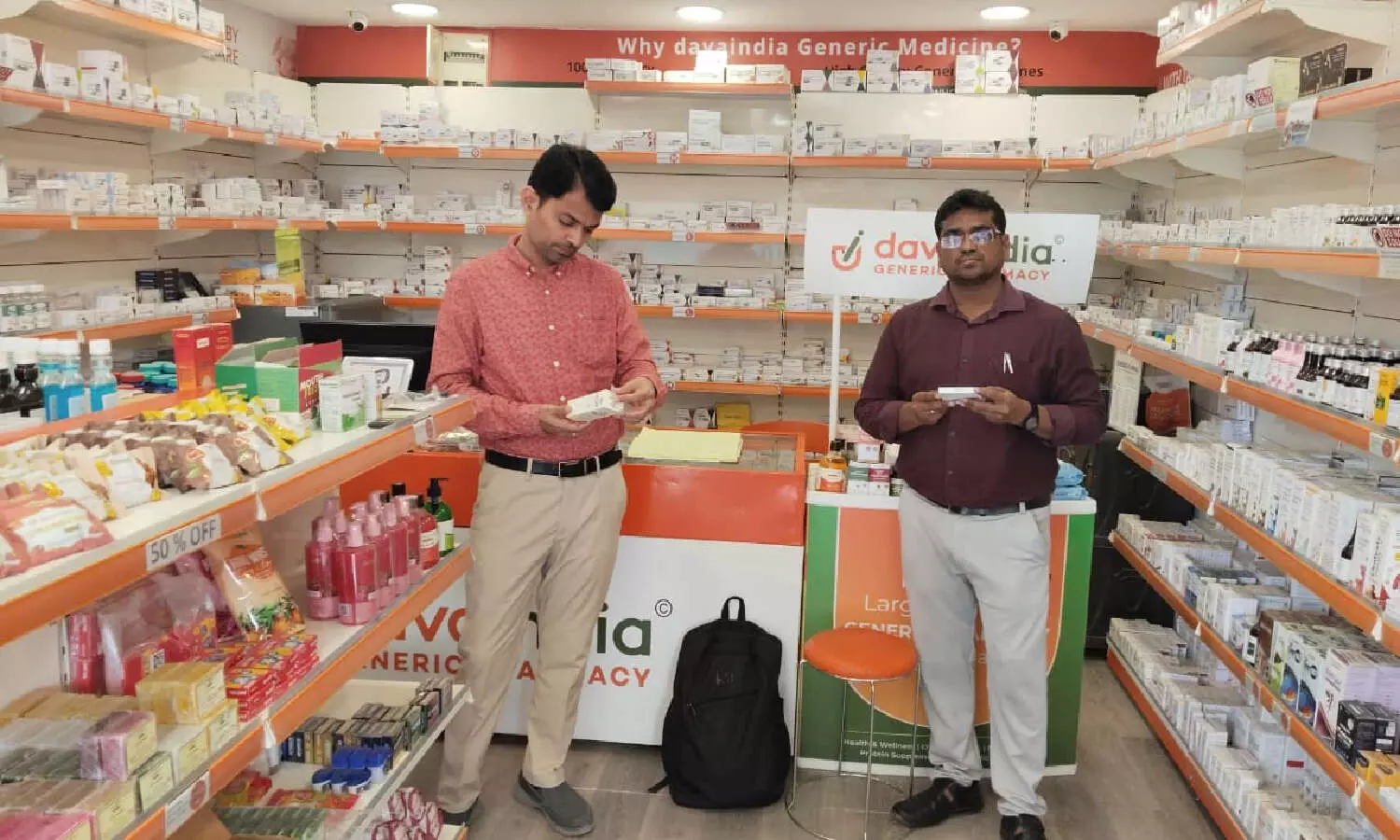
Hyderabad: The Drugs Control Administration (DCA), Telangana, conducted a statewide special drive on Tuesday to curb the indiscriminate sale of antibiotics, a practice authorities say is accelerating Antimicrobial Resistance (AMR).
The enforcement action led to the detection of violations in 190 medical shops across the state, against which show cause notices have been issued.
The raids were carried out as part of Telangana’s efforts to address what the World Health Organisation (WHO) has described as a major global health threat.
190 shops sent notices for antibiotic sale violations
According to the DCA, inspections were conducted across Telangana with a specific focus on monitoring how antibiotics are being sold.
The administration said that the indiscriminate sale of antibiotics is a significant factor contributing to antimicrobial resistance.
During the inspections, officials found multiple violations, including the sale of antibiotics without a prescription from a Registered Medical Practitioner, sale without issuing a bill, sale in the absence of a Registered Pharmacist, non-maintenance of the Schedule H1 Drug Register, and failure to maintain prescription records for antibiotics.
The DCA confirmed that show cause notices have been issued to all 190 violating shops and that further action will be taken under the Drugs and Cosmetics Act, 1940, and its related rules.
It also reiterated that the over-the-counter sale of antibiotics is illegal and punishable. Antibiotics fall under Schedule H and Schedule H1 of the Drugs Rules and cannot be sold without a valid doctor’s prescription.
India has one of the highest rates of antimicrobial resistance
In a public advisory released along with details of the raids, the DCA warned that antimicrobial resistance is emerging as a serious public health emergency.
Quoting the WHO, the administration noted that AMR is among the top ten global public health threats facing humanity.
It also cited global data showing that bacterial antimicrobial resistance was directly responsible for 12.7 lakh deaths worldwide in 2019.
India, the advisory said, has one of the highest rates of antimicrobial resistance in the world.
How misuse of antibiotics creates resistance
The advisory explained that antibiotics are life-saving medicines when used correctly, but misuse allows bacteria to develop resistance.
When antibiotics are taken unnecessarily or incorrectly, bacteria acquire the ability to withstand their effects. As resistance builds up, antibiotics become ineffective and infections become increasingly difficult or even impossible to treat.
The DCA warned that resistant bacteria can spread from person to person, creating so-called ‘superbugs’ and making common infections untreatable.
While antimicrobial resistance is a natural phenomenon, the administration stressed that human actions, particularly misuse and overuse of antibiotics, greatly accelerate its emergence and spread.
Role of doctors, hospitals and the livestock sector
The advisory pointed out that over-prescription of antibiotics is one of the key drivers of AMR.
As per WHO guidelines, doctors should prescribe antibiotics only when they are necessary and appropriate. Hospitals, it added, must implement strict infection prevention and control measures to limit the spread of drug-resistant pathogens.
The DCA also flagged the role of the livestock and poultry sectors.
Overuse of antibiotics in food-producing animals and in poultry and fish farming contributes to antimicrobial resistance. The advisory stated that antibiotics should not be used for growth promotion in livestock, poultry, or fish.
Environmental pollution from pharmaceutical manufacturing units and improper disposal of unused antibiotics were also identified as contributors to resistance.
Antibiotics should be treated as prescription drugs
The DCA reminded the public that antibiotics are not ordinary medicines.
They are classified as prescription drugs under Schedule H and Schedule H1 and cannot legally be sold without a prescription from a qualified doctor. Over-the-counter sale of antibiotics by pharmacies is a punishable offence under the Drugs and Cosmetics Act.
The administration warned that stringent action would be taken against medical shops found selling antibiotics without prescriptions.
What is public’s role in preventing AMR
The advisory placed strong emphasis on responsible behaviour by the public.
People should use antibiotics only when prescribed by a qualified doctor and should purchase them from medical shops strictly based on a valid prescription.
It warned that antimicrobial resistance can develop when antibiotics are taken unnecessarily.
For example, taking antibiotics for common colds or upper respiratory infections, most of which are viral, does not help, as antibiotics only work against bacterial infections. Antivirals, not antibiotics, are used to treat viral illnesses.
The DCA also cautioned against using antibiotics based on advice from unqualified practitioners or pharmacists and against taking wrong doses.
Such practices, it said, help microbes acquire resistance to antibiotic drugs.
Complete the course, don’t share medicines
The advisory urged patients to strictly follow their doctor’s instructions.
People should complete the full prescribed course of antibiotics even if they start feeling better before the treatment ends.
It also warned against sharing antibiotics with others or using leftover medicines from previous illnesses.
Encouraging people to think before using antibiotics, the DCA said that taking antibiotics without a prescription could make them ineffective when they are genuinely needed in the future.
‘Misusing and overusing antibiotics puts everyone at risk’
The administration called on citizens to help spread awareness about antimicrobial resistance among family and friends.
It concluded its advisory with a warning that misuse and overuse of antibiotics puts everyone at risk.


