India features in 235 genomic studies over 34 years, says WHO report
High-income countries have contributed 68 per cent of research on human genomes, whereas low-income countries have contributed only 0.5 per cent
By - Kaniza Garari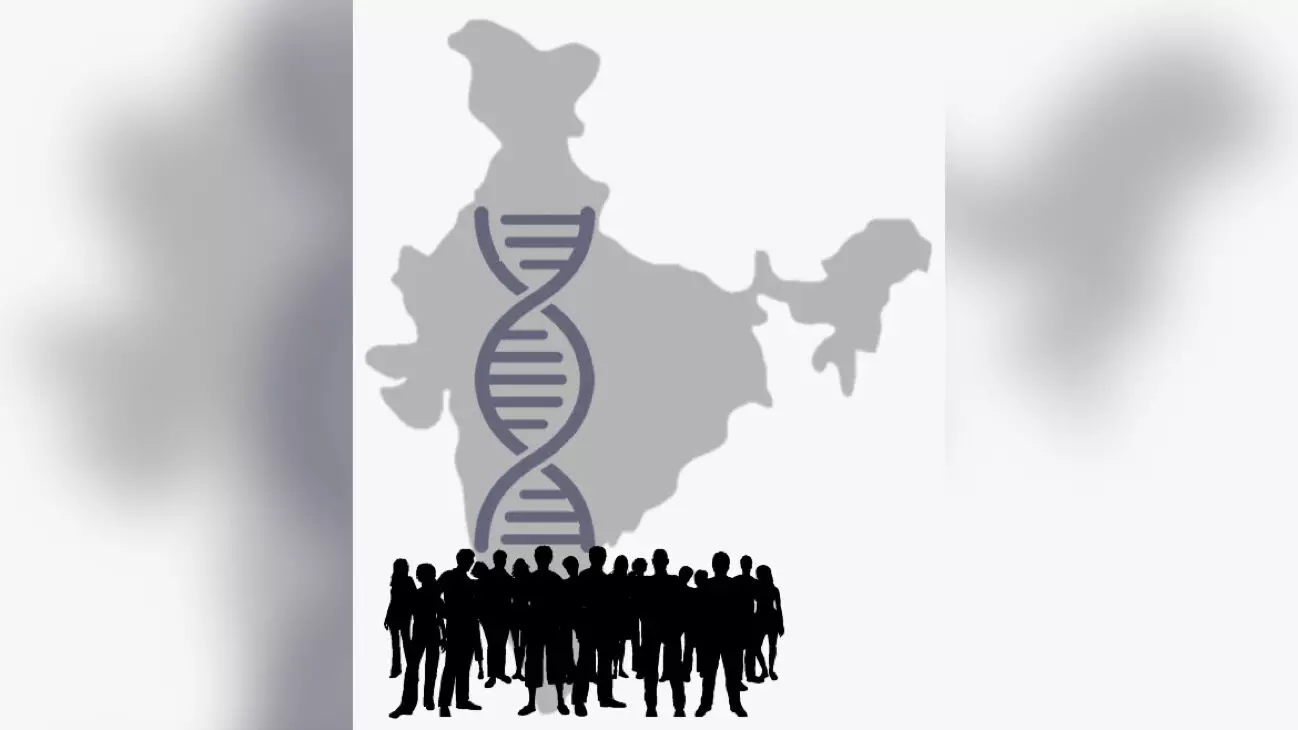
Hyderabad: India has emerged as a significant participant, featuring in 235 genomic studies over 34 years, according to a report by the World Health Organisation. The recently released report reveals that 65,000 clinical studies using human genome analysis have been registered globally.
Contributions of India in human genome research
High-income countries have contributed 68 per cent of research on human genomes, whereas low-income countries have contributed only 0.5 per cent.
In the low-income country group, India accounts for number 4. In the global studies on genomics in 2024, India contributed 8 per cent.
From 1990 onwards, there have been 6,500 clinical studies using human genome analysis.
Disease bias
Over 75 per cent of genomic studies focus on non-communicable diseases (NCDs) such as cancer, rare diseases and metabolic disorders. In contrast, communicable diseases (like TB, HIV, and malaria) account for only 3 per cent of studies, representing a ‘missed opportunity’ to apply human genomic insights to host responses in infectious diseases.
‘Missed opportunity’ in infectious diseases
Despite the heavy burden of communicable diseases in India, genomic research in this area is remarkably sparse:
The Burden: India contributes 26 per cent of global tuberculosis (TB) cases and over 65 per cent of malaria cases in the SE Asia region.
The Research Gap: Only 5 per cent of genomic studies in settings like India address communicable diseases.
WHO Analysis: The report calls this a ‘missed opportunity.’ While pathogen genomics (sequencing the virus/bacteria) has advanced, there is very little research into human host responses—how an individual's unique genetic makeup influences their susceptibility or response to treatment for TB, HIV, and malaria
Mismatched priorities
The research also identifies a significant disconnect between global study focus and local health needs. While communicable diseases like tuberculosis, HIV and malaria remain high-burden priorities in regions like South-East Asia and Africa, they account for just 3 per cent of genomic studies worldwide. Instead, more than 75 per cent of global research is centred on non-communicable conditions, primarily cancer and rare diseases.
In lower-middle-income settings specifically, only 5 per cent of studies addressed communicable diseases, raising concerns that precision medicine may be failing to tackle the most pressing health challenges in these regions.
Domination of Non-communicable Diseases (NCDs)
The report notes that genomic research is heavily skewed toward NCDs, mirroring trends in high-income countries rather than local health priorities:
The Focus: Over 60 per cent of studies in India and similar economies focus on cancers, rare genetic disorders and metabolic conditions (like diabetes and heart disease).
The Driver: This is largely because genomic technologies have ‘established use cases’ and industry-funded pipelines in these areas.
Demographic and age imbalance
The disease burden in India varies sharply by age, yet the research is not representative:
1. Adult Centricity: More than 75 per cent of studies globally focus on adults (18–64 years).
2. The Paediatric/Geriatric Gap: Only 4.6 per cent of studies focus on children and 3.3 per cent on older adults.
3. Risk for India: The report warns that treatment algorithms or risk-prediction tools derived from these adult-heavy studies may not translate accurately for India’s paediatric or elderly populations.
A call for equity
The WHO warns that the current ‘narrow focus’ on adult cohorts in high-income countries may reduce the relevance of findings for children, older adults, and diverse ethnic populations. Only 4.6 per cent of studies globally focused on children.
To bridge this ‘genomic divide,’ the report calls for:
Global Coordination: Investment in genomic infrastructure within underrepresented settings.
Inclusive Design: Research strategies that align with the public health needs of diverse populations.
Capacity Building: Supporting LMIC-led research to ensure local health priorities are met.


