Are your child’s electrolyte drinks mislabelled? Dr Sivaranjani Santosh flags marketing loopholes of ORS ‘look-alikes’
Dr Sivaranjani Santosh revealed that, while WHO-recommended Oral Rehydration Solution (ORS) is a life-saving necessity, the market is flooded with electrolyte drinks and sugary solutions.
By Newsmeter Network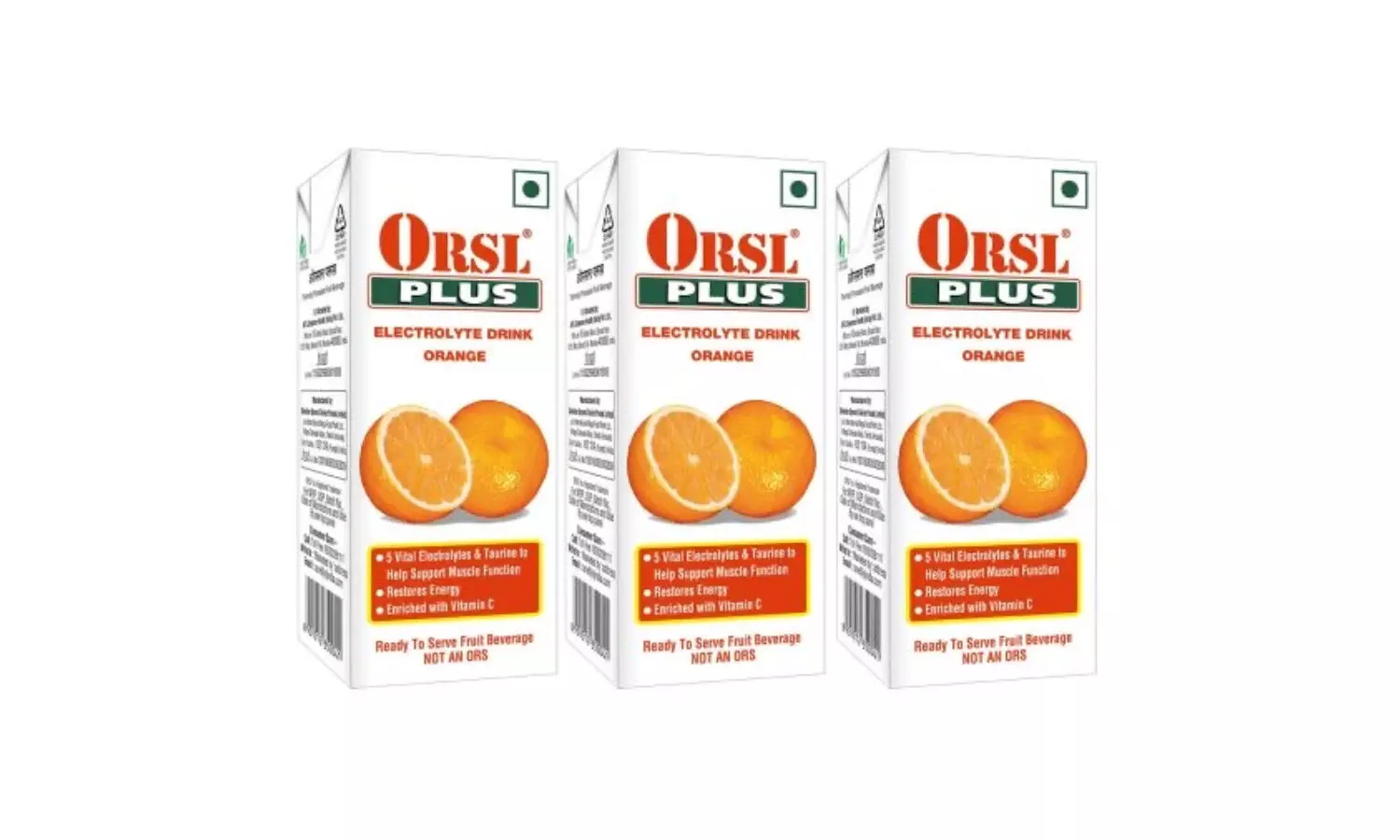
Representative Image
Hyderabad: With summer heat intensifying, many parents have turned to electrolyte drinks to keep their children hydrated.
However, leading paediatrician Dr M Sivaranjani Santosh has issued a critical alert, warning that many popular commercial ‘hydration’ products are not only misbranded but can actively worsen conditions like diarrhoea in children.
In a recent press conference, Dr Sivaranjani Santosh revealed that, while WHO-recommended Oral Rehydration Solution (ORS) is a life-saving necessity, the market is flooded with electrolyte drinks and sugary solutions that are being marketed deceptively.
Dr Sivaranjani has been a vocal critic of products like ORSL (and its rebranded successor, ERZL), which are frequently confused with standard ORS. She was facing a legal challenge from Kenvue for her public advocacy regarding the distinction between ORS and commercial electrolyte drinks.
Why ‘daily hydration’ drinks can be harmful
Dr Sivaranjani cautioned that children do not require electrolyte drinks for daily hydration.
“Unless a child is engaging in intense exercise or has spent excessive time under the sun, water and good food are sufficient for daily hydration,” Sivaranjani explained.
She further warned that drinks containing high levels of sugar, such as sucralose (a disaccharide), can be counterproductive during diarrhoea. “Sugar pulls water into the gut and worsens the diarrhoea, putting the child at a higher risk of severe dehydration and hospitalisation,” the doctor cautioned.
Making profit from regulatory gaps
The doctor’s investigation into these products, particularly those manufactured by Kenvue (formerly J&J) and others, revealed that companies have been exploiting regulatory gaps between the FSSAI and the CDSCO.
Despite a July 2022 order mandating that all excipients be explicitly mentioned on labels, Dr Sivaranjani noted that enforcement remains weak.
In many instances, pharmacies, motivated by higher profit margins compared to standard, low-cost WHO-formula ORS, have been handing out these commercial ‘sports drinks’ to parents specifically asking for ORS, creating a significant public health hazard.
The legal battle for label transparency
Dr Sivaranjani highlighted that her persistent advocacy has forced a few shifts in the industry. For example, Reddy Labs, following her inputs, agreed to modify the droppers of their cetirizine products to a safer 0.25ml capacity.
However, she noted that other major players, including those behind ORSL and eRZL, have responded with legal intimidation rather than addressing the health concerns of parents.
“They accused me of disparaging their brands for financial benefits, but my only demand is transparency,” Dr Sivaranjani Santosh asserted, adding that she has filed a Public Interest Litigation (PIL) in the Telangana High Court to hold these corporations accountable.
What parents need to know?
To ensure child safety, Dr Sivaranjani Santosh urged parents to be vigilant:
1. Check the Label: Look specifically for the phrase ‘WHO Recommended Formula’ on the packaging.
2. Avoid Misleading Brands: Do not rely on ‘daily hydration’ marketing for children. If a product does not explicitly state it is a WHO-formula ORS, it is likely a commercial drink that should not be used during diarrhoea.
3. Verify at Pharmacies: If you ask for ORS, double-check the packet before purchasing. Do not accept alternatives simply because a pharmacist suggests them.
4. Public Awareness: She called on the government to mandate stricter coordination between food and drug regulators to ensure that dangerous ‘look-alike’ branding is removed from store shelves immediately.
Watch the video here:


