Falaknuma Palace, Chowmahalla Palace are private property of Mir Osman Ali Khan’s family, rules court
Ownership dispute over iconic palaces, city civil court in Hyderabad upholds Nizam family’s ownership
By - Kaniza Garari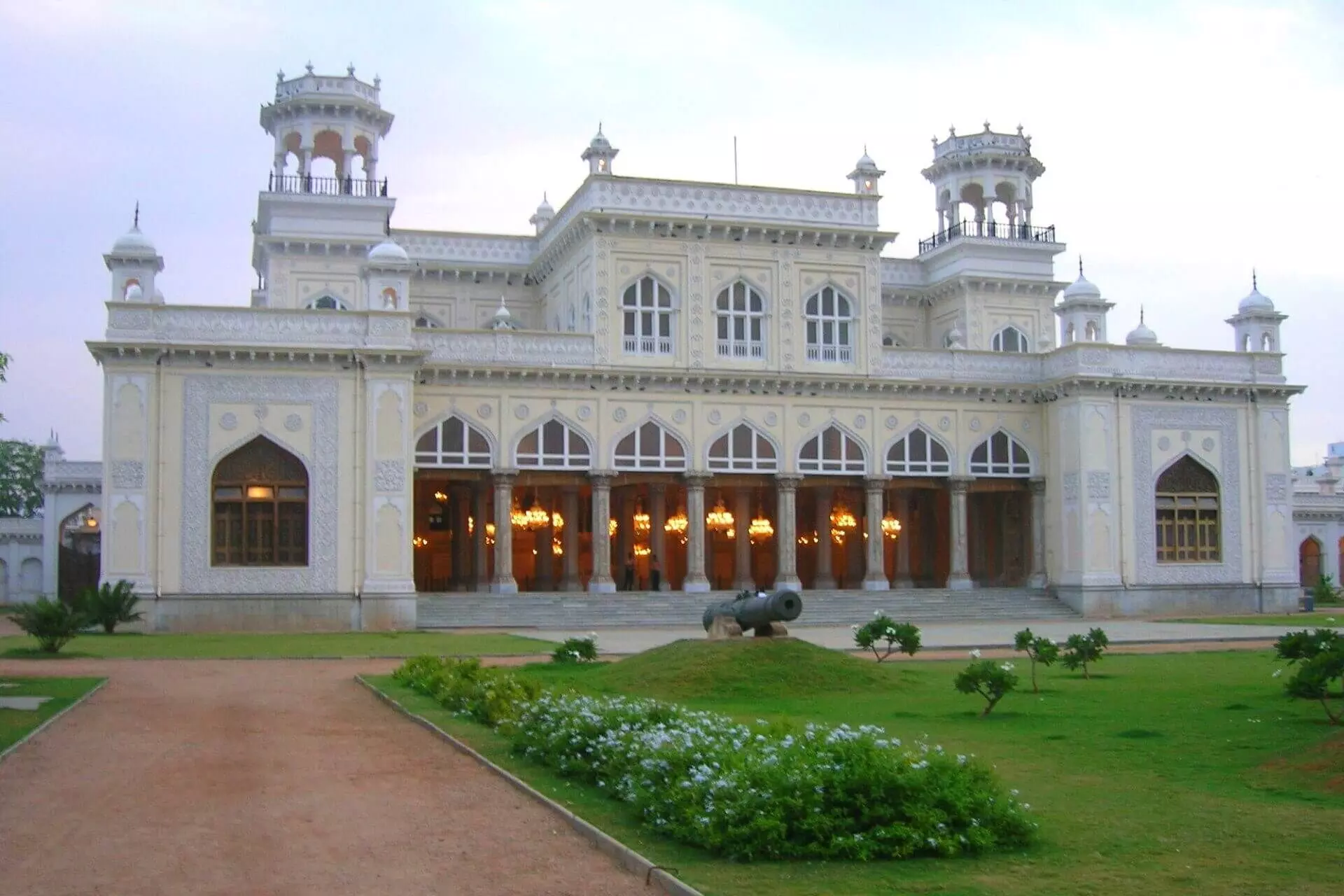
Hyderabad: Falaknuma Palace, Chowmahalla Palace are private property of Mir Osman Ali Khan’s family, rules court
Hyderabad: The City Civil Court of Hyderabad has dismissed the petition filed by Majlis-e-Sahebzadagan Society and confirmed that the private and personal estate of the Seventh Nizam Nawab Mir Osman Ali Khan belongs to him and his family.
Who owns the palaces?
The court rejected the petition that claimed that the iconic landmarks, such as Falaknuma Palace and Chowmahalla Palace, were not the private property of the Seventh Nizam but belonged collectively to the descendants of all previous rulers.
The Court of the XI Additional Chief Judge refused the representation of 4,500 descendants from the first to the sixth Nizam of the Asif Jahi dynasty. The court observed that the claim of a large group of distant relatives is not correct, as the Government of India in 1953 recognised the properties as belonging to the Nizam.
What did the court say?
The Judge dismissed the society’s claims entirely, noting several key points:
1. Private Property: The court confirmed that these properties were formally recognised by the Government of India in 1953 as the private and personal estate of the Seventh Nizam, Nawab Mir Osman Ali Khan.
2. Lack of Evidence: The society failed to produce any documents proving they were ever legal co-owners or beneficiaries of these specific estates.
3. Misleading Information: The court found that the society had suppressed the fact that a previous legal order they relied on had been overturned by the High Court years ago.
The court clarified that the current legal battle is a ‘limited family partition suit’ meant only for the immediate family of the Seventh Nizam, not a general debate on the history of the entire dynasty.
What is the dispute about?
The legal battle centres on a lawsuit filed by Nawab Najaf Ali Khan, a grandson of the Seventh Nizam. The dispute is over the ‘lawful share’ of the massive estate left behind by Nawab Mir Osman Ali Khan, once the richest man in the world. While the public often sees these palaces as monuments, they are legally part of a private inheritance.
The properties at stake include:
Falaknuma Palace: Currently a world-famous luxury hotel.
Chowmahalla Palace: The seat of the Asaf Jahi dynasty.
King Kothi Palace: The Seventh Nizam’s primary residence.
Purani Haveli: The historic palace of the Nizams.
Harewood and Cedars Bungalows: Prime properties located in Tamil Nadu.
The case was filed to ensure that these properties are partitioned fairly among the rightful heirs of the Seventh Nizam. The recent attempt by the Majlis-e-Sahebzadagan Society was seen as an effort by distant relatives to ‘create rights’ where none existed.
Nizam family says the case is misleading
Nawab Najaf Ali Khan, through his legal team, strongly opposed the society's interference, accusing them of trying to mislead the court.
Following the ruling, the court reaffirmed that the proceedings remain confined to the private estate of the last Nizam.
Nawab Najaf Ali Khan noted that the order is a vital step in protecting the integrity of the family’s legal proceedings, stating that the suit is ‘a limited family partition suit instituted by Nawab Najaf Ali Khan against his own family members for determination of his share in the properties, and not a proceeding meant to adjudicate or determine the general succession rights of the wider Asaf Jahi family or unrelated descendants.’


