Nizam-era lake reborn: HYDRAA prepares Bum-Rukn-ud-Dowla lake for public opening in January
Children’s play areas on both sides of the lake, gazebos for senior citizens, landscaped parks, and open gyms are being developed to make the lake a vibrant community space
By - Sistla Dakshina Murthy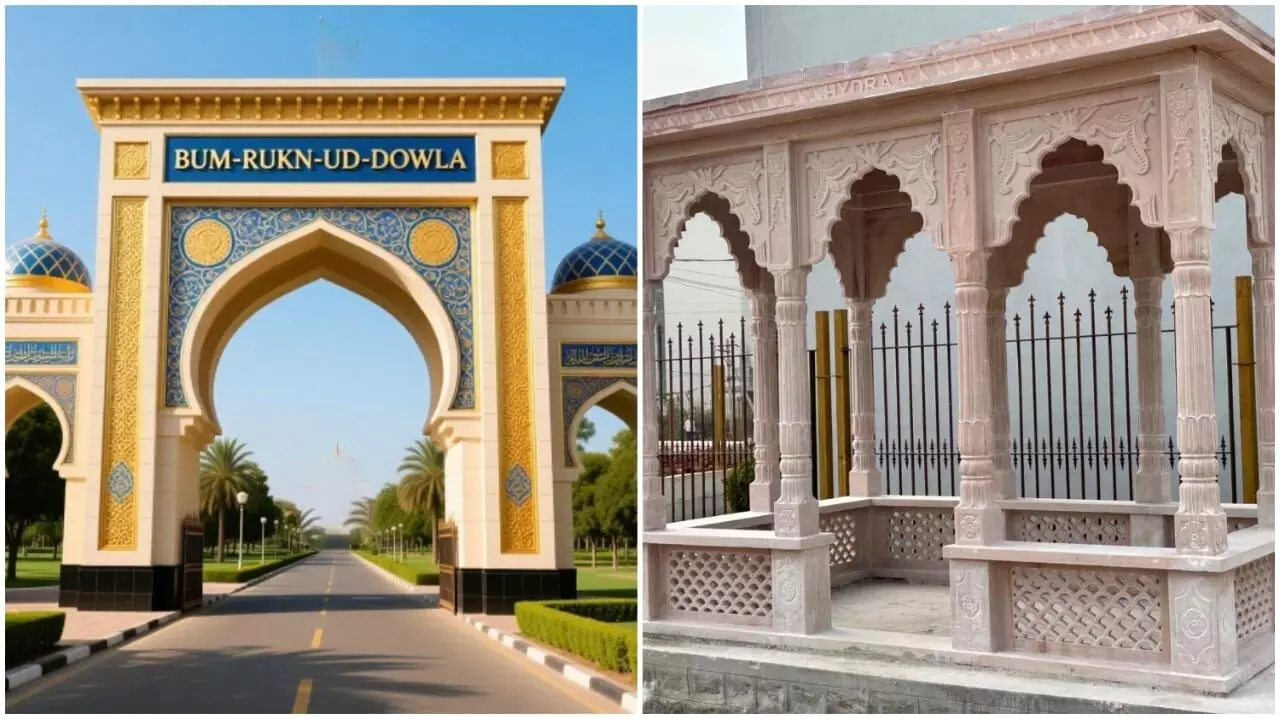
Representational Image
Hyderabad: The Hyderabad Disaster Response and Asset Protection Agency (HYDRAA) has breathed new life into a long-forgotten Nizam-era lake in the Old City, restoring the historic Bum-Rukn-ud-Dowla lake after decades of encroachments and neglect.
With the rejuvenation works nearing completion, preparations are underway to open the lake to the public in January.
Commissioner reviews final-phase works
As preparations enter the final stage, HYDRAA Commissioner AV Ranganath conducted a detailed field inspection of the lake development works on Saturday.
He directed officials to exercise utmost care in execution, stating that the project is not merely about beautification but about reviving a priceless historical asset.
Focus on public access and safety
The Commissioner reviewed approach roads and entry gates to ensure easy access for local residents. He inspected walking tracks along the bund, internal fencing, and safety arrangements.
Children’s play areas on both sides of the lake, gazebos for senior citizens, landscaped parks, and open gyms are being developed to make the lake a vibrant community space. CCTV cameras are also being installed to ensure round-the-clock surveillance.
Lake to emerge as a recreation destination
Stressing that the lake should serve as a green retreat in the densely populated Old City, Commissioner Ranganath instructed officials to develop the area as a recreational hub.
He suggested extensive plantation of medicinal and native tree species and creation of well-maintained lawns to provide a pleasant environment and help reduce surrounding temperatures.
Strengthening heritage and infrastructure
To preserve historical authenticity, the Commissioner asked officials to use stone similar to that used during the Nizam period for strengthening structures. He also reviewed the construction of wide inlets and outlets to ensure efficient water flow into the lake.
Key role in flood control
The revived lake is expected to play a crucial role in flood mitigation. Inlets are being designed to channel rainwater from Rajendranagar, Aramghar and nearby areas, covering a catchment of nearly 10 kilometres.
Officials were instructed to ensure that the lake acts as a buffer against flooding in surrounding localities.
Rich historical background
Historical records show that the lake was constructed in 1770 during the reign of the third Nizam, Sikander Jah, by the then Nawab Rukn-ud-Dowla, after whom it is named.
Originally spread over 104 acres and serving as a major drinking water source, the lake gradually shrank over the years. Its area was later fixed at 17.05 acres by planning authorities but was reduced to just 4.12 acres due to widespread encroachments.
Encroachments cleared, lake reclaimed
HYDRAA removed illegal encroachments in August last year, overcoming several hurdles and criticism to reclaim the notified land. The transformation since then has drawn widespread appreciation, with local residents expressing delight at the revival of a landmark they never expected to see restored.
Local legends and cultural importance
Residents and elders recount that floodwaters from Rajendranagar, Aramghar and Katedan once drained naturally into the lake.
Oral history suggests that during the Nizam era, the lake water enriched with medicinal herbs, was used by the royal family, and that its fragrant water was even exported to Arab countries for perfume preparation.
With restoration nearing completion, the Bum-Rukn-ud-Dowla lake is set to re-emerge as a symbol of heritage conservation, urban resilience and community recreation, marking a significant milestone in the rejuvenation of Hyderabad’s historic water bodies.


