`No force’: Telangana HC rules GHMC can acquire private property through mutual agreement
A division bench of Chief Justice Aparesh Kumar Singh and Justice G.M. Mohiuddin dismissed a writ petition filed by Salla Veera Reddy, who had questioned the legality of Section 146.
By Newsmeter Network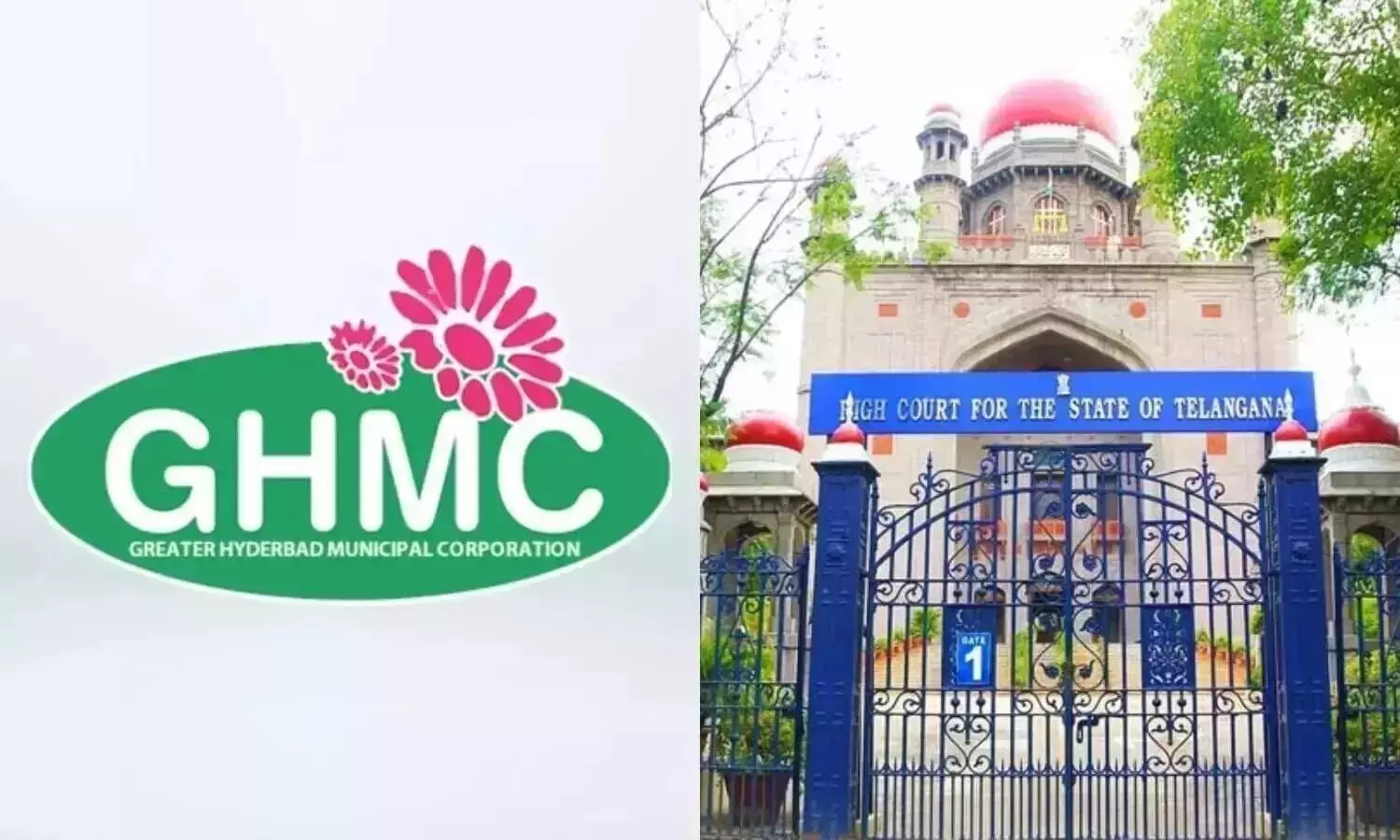
Hyderabad: Telangana High Court has ruled that the GHMC can acquire private property through mutual agreement with owners under Section 146 of the GHMC Act, 1955.
The court made it clear that the provision does not allow forcible land acquisition and remains constitutionally valid.
Petition challenging law dismissed
A division bench of Chief Justice Aparesh Kumar Singh and Justice G.M. Mohiuddin dismissed a writ petition filed by Salla Veera Reddy, who had questioned the legality of Section 146.
The petitioner argued that the provision was unconstitutional and conflicted with the Right to Fair Compensation and Transparency in Land Acquisition, Rehabilitation and Resettlement Act, 2013. He also alleged violations of Articles 14, 21, and 300A of the Constitution.
Provision based on consent, not coercion
The High Court clarified that Section 146 only enables acquisition through mutual consent between the property owner and the Greater Hyderabad Municipal Corporation (GHMC).
It emphasised that the provision does not grant powers of compulsory acquisition or involve the State’s power of eminent domain. Compensation, the court noted, is determined within approved limits as part of such agreements.
No conflict with central land acquisition law
Rejecting the petitioner’s contention, the bench held that the 2013 central law governs compulsory acquisition, whereas Section 146 deals solely with voluntary agreements.
As a result, the court found no inconsistency between the two laws and upheld the legislative competence behind the GHMC provision.
Court leaves room for individual grievance
While upholding the law, the court took note of the petitioner’s complaint regarding a GHMC notice dated February 9, 2026, seeking possession of part of his property in Malkajgiri along with consent under Section 146.
The bench clarified that if the petitioner believes the notice was coercive or not in accordance with the law, he is free to pursue appropriate legal remedies before the competent forum.
The ruling reinforces that GHMC’s land acquisition under Section 146 must be voluntary and agreement-based, while also allowing property owners to challenge any instance where consent is alleged to have been obtained under pressure.


