Telangana new building rules: CREDAI National, CREDAI Hyderabad, NAREDCO Telangana laud govt
As per the latest amendments to the Telangana Building Rules, 2012, buildings in the state measuring 21 metres or more in height will now be classified as high-rise structures.
By Newsmeter Network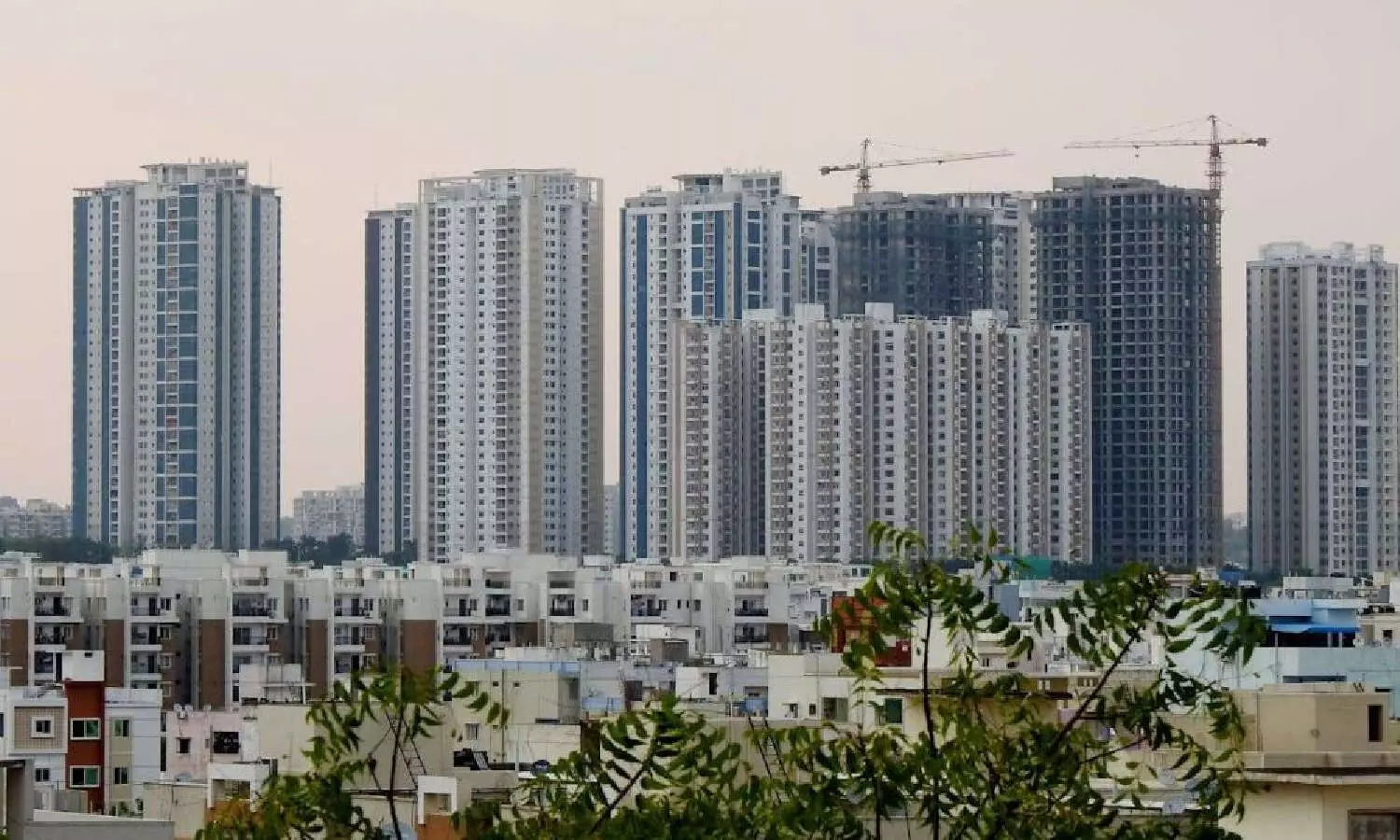
Hyderabad: Construction and real estate industry bodies have welcomed the Telangana government’s recent amendments to Transferable Development Rights (TDR) norms, calling them a progressive step that will significantly boost the sector.
As per the latest amendments to the Telangana Building Rules, 2012, buildings in the state measuring 21 metres or more in height will now be classified as high-rise structures.
The new rules also focus on easing construction norms and expanding the use of Transferable Development Rights (TDR) to provide greater flexibility for developers while ensuring planned urban growth.
CREDAI National, CREDAI Hyderabad, and NAREDCO Telangana expressed their appreciation in a joint statement, thanking Chief Minister Revanth Reddy for introducing reforms that are expected to accelerate planned urban development.
Benefits for all stakeholders
According to industry representatives, the revised TDR rules will benefit multiple stakeholders, including landowners, developers, homebuyers, and urban local bodies. The changes are also expected to promote sustainable and planned urban growth across the state.
Gummi Ram Reddy, President-Elect of CREDAI National, stated that the reforms would particularly support small and mid-sized builders by enhancing project viability.
Under the earlier rules, buildings on 40-foot roads were permitted Ground + 8 floors, along with an additional two floors through TDR. With the latest amendments, developers can now construct up to 11 floors, offering greater flexibility.
He added that this additional height allowance would help stabilize and potentially reduce apartment prices, making housing more affordable for buyers.
TDR demand likely to rise
Industry leaders believe that the reforms will significantly increase demand for TDR. Previously, due to limited demand, TDR was traded at around 25% of its market value. With the new changes, this is expected to rise to 50–70%, depending on location.
N. Jaideep Reddy, President of CREDAI Hyderabad, and B. Jagannath Rao, President-Elect, noted that a higher TDR value would encourage landowners to voluntarily part with land for road widening and infrastructure projects. This, in turn, is expected to speed up urban infrastructure development.
They also highlighted that developers will now be able to undertake better projects with improved infrastructure on roads of 40, 60, and 80 feet in width. The reforms remove several earlier constraints, creating a more enabling environment for real estate growth.
Improved affordability and infrastructure
With the provision for additional floors, developers can optimize land use more efficiently, which could lead to lower per-unit costs for buyers. The move is also expected to improve the quality of infrastructure and housing projects across urban areas.
Overall, the industry sees the TDR amendments as a transformative step that aligns with the government’s vision for structured urban expansion and economic growth.


