`Westend Greens’ case: Tribunal dismisses Countryside Realtors appeal; bars it from selling units
The Tribunal made it clear that the complaint filed by villa owners was maintainable and within the jurisdiction of the Authority.
By - Sistla Dakshina Murthy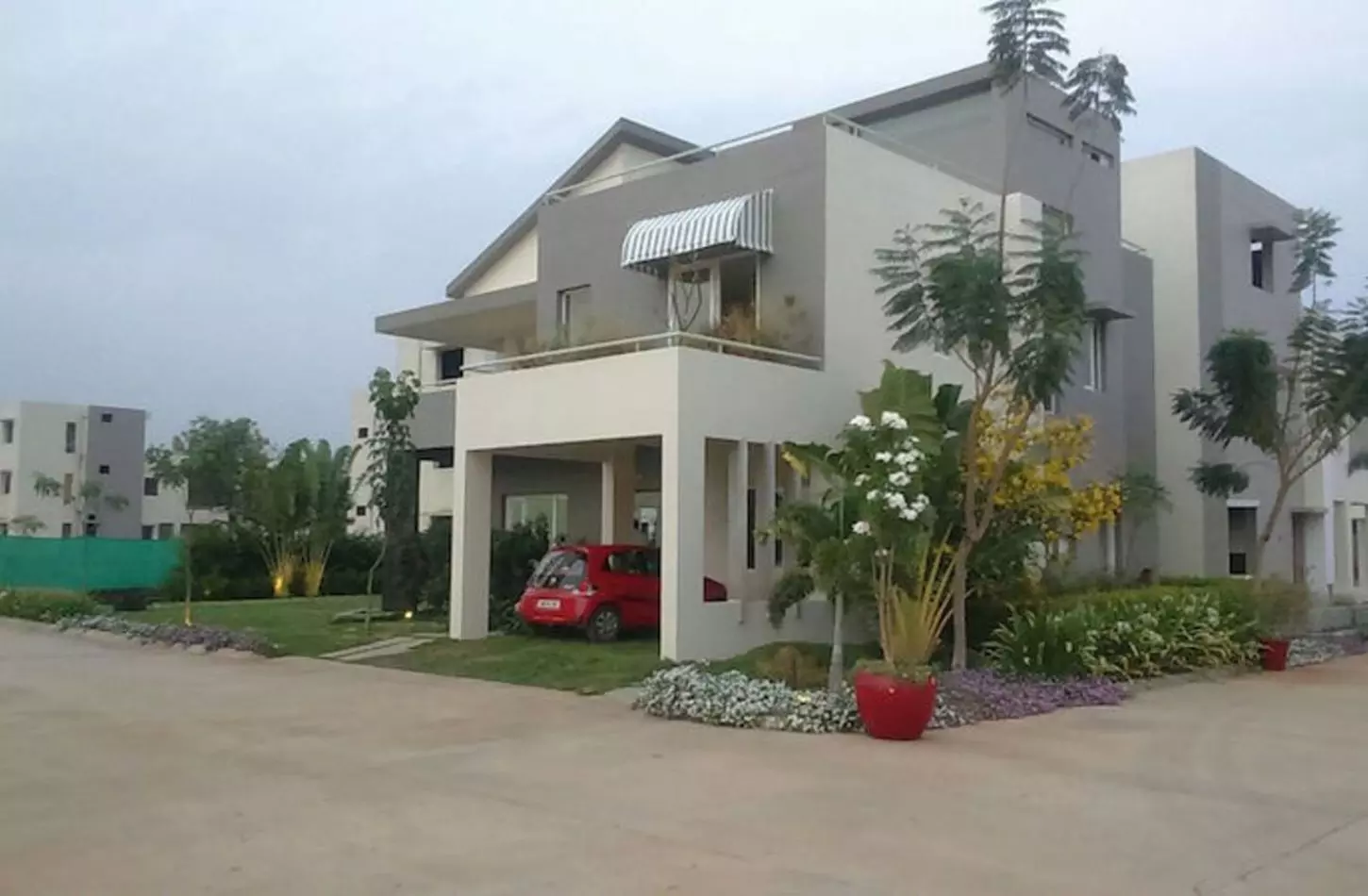
Representative Image
Hyderabad: Dismissing the Countryside Realtors appeal, the Telangana Real Estate Appellate Tribunal has upheld stringent action against the developer for violations in its `Westend Greens’ villa project at Mokila in Rangareddy district.
Parties in the case
The appeal was filed by Countryside Realtors India Pvt. Ltd., represented by its directors Masood Ul Hasan and Kavi Narasimhan, along with Saurabh Pandey (Manager), and argued by legal counsel Drupad Sangwan.
The respondents — Tumpi Shome, Sailaja Nukala, Tarun Dhar, Sandeep Josyula and Monika Singh — were represented by legal counsel Arcot Chandra Shaker, founder of Chandra Associates.
Tribunal backs homebuyers, upholds RERA order
A bench led by Justice A. Santhosh Reddy affirmed the July 17, 2025 order of the Telangana State Real Estate Regulatory Authority (TGRERA), ruling that the developer’s appeal lacked merit.
The Tribunal made it clear that the complaint filed by villa owners was maintainable and within the jurisdiction of the Authority.
₹38.59 lakh penalty and strict compliance directions
The Tribunal upheld the penalty of ₹38.59 lakh imposed on the developer for violating provisions of the Real Estate (Regulation and Development) Act, 2016.
It also reiterated key directions:
Obtain all necessary approvals from HMDA.
Register the project under RERA before any sale or marketing.
Refund buyers with compensation if approvals are not secured.
Refrain from advertising or selling units until compliance.
Project classified as ‘Ongoing’ under RERA.
Rejecting the developer’s claim that the project predates RERA, the Tribunal ruled that the absence of a completion or occupancy certificate makes it an “ongoing project.”
It cited legal principles that RERA applies retrospectively to such projects to protect buyers’ interests.
Serious lapses in approvals and execution
The Tribunal found multiple violations, including:
Expiry of HMDA layout approval in 2017 without revalidation.
Lack of building permissions for several villas.
Construction beyond approved plans.
Failure to secure completion and occupancy certificates.
It emphasized that offering possession without an occupancy certificate is illegal under the Act.
Failure to deliver promised amenities
Homebuyers highlighted that despite full payments, essential infrastructure remained incomplete. These included sewage treatment systems, drainage, water supply, power backup, and other promised facilities.
The Tribunal observed that such deficiencies amounted to a clear breach of statutory and contractual obligations.
Developer’s defence rejected
The developer argued that villas were handed over, and buyers had earlier acknowledged satisfaction. It also alleged that residents acted with mala fide intent and defaulted on payments.
The Tribunal, however, held that such claims cannot override legal requirements, especially when statutory violations are evident.
Final verdict: Appeal dismissed
Finding no grounds to interfere with the TGRERA order, the Tribunal dismissed the appeal and upheld all directions issued against the developer. No costs were awarded.
What this means for Homebuyers
The ruling reinforces a key principle:
Any real estate project without a completion certificate must comply with RERA norms, regardless of when it began.
This judgment strengthens the accountability of developers and offers greater protection to homebuyers facing delays and non-compliance.


