From A Real Bakery to Subhan Bakery, Hyderabad’s old bakeries keep Christmas plum cake traditions alive
Before plum cake became a festive sale, these Hyderabad bakeries were already baking it every Christmas
By - Anoushka Caroline Williams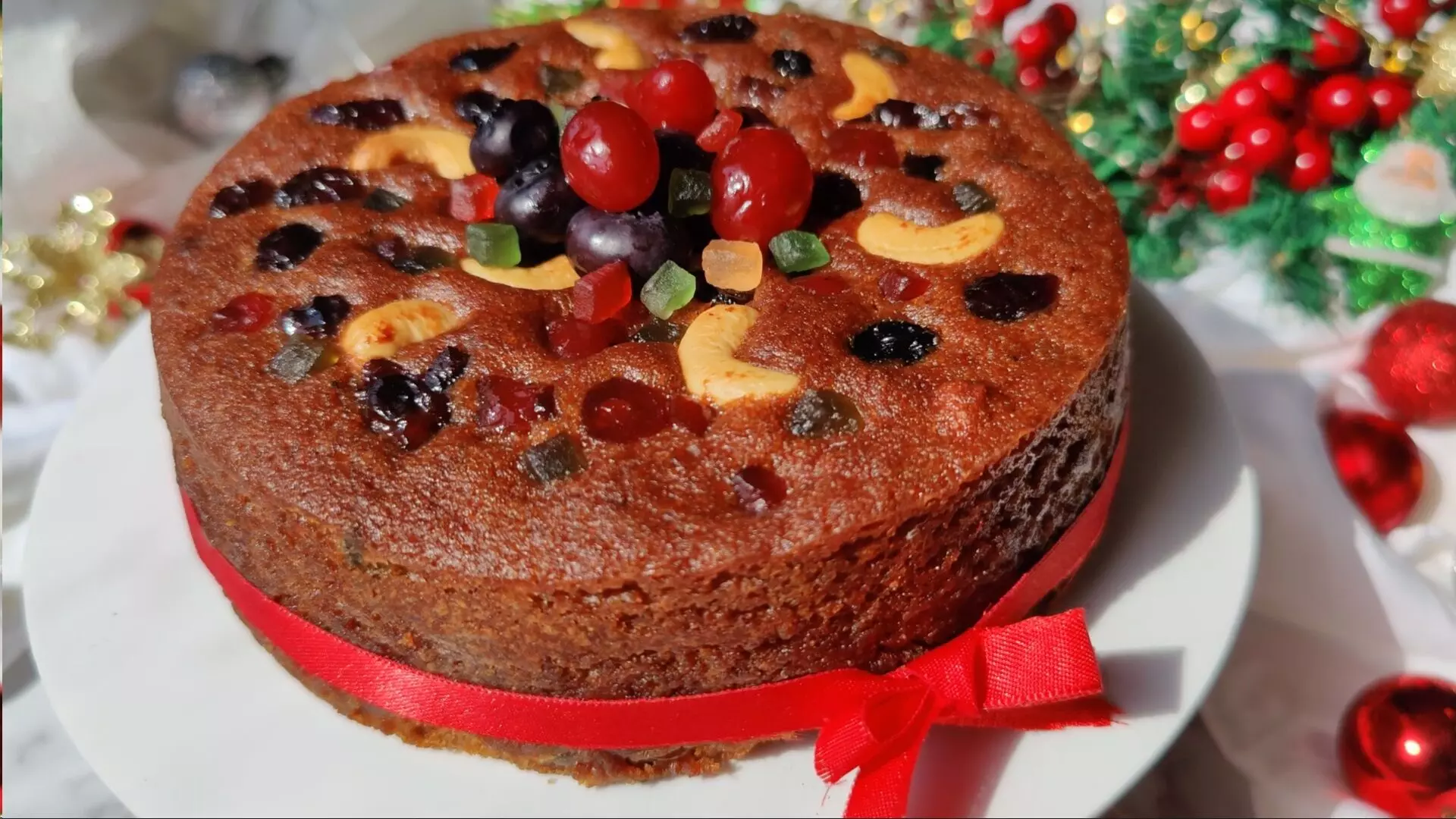
Legacy bakeries in Hyderabad continue baking Christmas plum cake year after year
Hyderabad: In Hyderabad, Christmas plum cake is not limited to church circles or December 25th tables. It appears in offices, tea trays, neighbour exchanges and year-end visits.
By mid-December, slices of dark fruit cake are passed around homes where Christmas may not be observed religiously but is recognised culturally as a season of sharing.
History of baking plum cakes in Hyderabad bakeries
This citywide habit is sustained by a handful of old bakeries that have been baking plum cake long before it became a festive commodity. Their cakes are not built for trends. They are made because customers expect them every year, without interruption.
Over a century of continuity at A Real Bakery, Tarnaka
Located near the Railways Degree College in Tarnaka, A Real Bakery is often described by regulars as ‘unchanged by time.’ The shopfront is modest, the shelves functional and the demand in December consistent.
The bakery’s plum cake follows a method that predates commercial shortcuts, long-soaked dry fruits, measured spice and slow baking. Preparation begins months in advance.
“Plum cake is not something you decide to make last-minute,” says a member of the D’Souza family, speaking to NewsMeter, which has run the bakery across generations. “If you miss the soaking window, you’ve already compromised the cake.”
What stands out is the bakery’s customer base. While Christian families place bulk orders for Christmas, many long-term patrons are Hindu and Muslim households who associate the cake with year-end gatherings rather than religious observance.
“It’s our December cake,” says Srinivas Rao, a Tarnaka resident who buys two every year. “One for home, one to send to relatives.”
Plum cake from Subhan Bakery, Nampally, that transcended communities
At Nampally, Subhan Bakery’s counters see steady queues through December.
Known across Hyderabad for bread and biscuits, the bakery’s plum cake has quietly built its own following.
The cake is dense, evenly fruited and restrained in sweetness, a style that suits a wide audience. According to staff, many customers buying plum cake here are repeat buyers who associate it with childhood or family routines.
“People don’t ask what’s new,” says a senior baker at the outlet. “They ask if the plum cake has started.”
Subhan’s plum cake often appears at office farewells, New Year gatherings and mixed-community celebrations. Its appeal lies in familiarity rather than occasion.
Standardising a seasonal habit at Karachi Bakery, Mozamjahi Market
Karachi Bakery may now be a national brand, but its Mozamjahi Market outlet remains closely tied to Hyderabad’s festive calendar.
Its plum cake is among the most widely consumed in the city, largely because of its consistency and accessibility.
Unlike older neighbourhood bakeries that sell out early, Karachi’s scale allows wider distribution. This has made plum cake a default December purchase for many first-time buyers.
“For people who don’t grow up eating plum cake, Karachi Bakery is usually where they try it first,” says food researcher Ayesha Khan. “It becomes a neutral entry point.”
The cake’s mild profile has also helped it travel beyond Christian homes into workplaces and non-religious celebrations.
Secunderabad bakeries shared colonial food memory from ‘Cantonment Effect’
In Secunderabad, Christmas plum cake is closely linked to the cantonment’s Anglo-Indian and military history.
Bakeries here have long catered to families for whom plum cake was part of Christmas lunch rather than dessert alone.
Older outlets and neighbourhood pastry shops continue to produce traditional fruit cakes every December, often selling whole loaves rather than slices.
“People come asking specifically for ‘the dark cake’,” says a bakery worker from Big Bull Bakery, Kapra. “They already know what they want.”
These cakes are frequently gifted, wrapped simply, without branding, reinforcing the idea of plum cake as a social food.
Why plum cake belongs to the whole city
Hyderabad’s relationship with plum cake is not about religion alone. It is about timing, repetition and trust.
Food historian Dr Salma Namazi explains, “Certain foods become seasonal markers. Plum cake tells people the year is closing. That’s why it moves beyond its original context.”
The cake’s long shelf life, ease of sharing and association with closure of work years, school terms, and calendars have made it widely acceptable.
It is common to find plum cake served alongside chai at non-Christian homes, especially during December evenings.
How traditional plum cake is made
While recipes vary, most older bakeries follow a similar framework:
• Fruit soaking: Raisins, cherries, peel, and nuts are soaked weeks or months ahead.
• Spice balance: Cinnamon, clove, nutmeg, measured carefully, not aggressively.
• Slow baking: Lower temperatures to prevent drying.
• Resting: Cakes are cooled and sometimes stored to allow flavours to settle.
“Plum cake needs time,” says a baker from Secunderabad. “If you rush it, people can taste it.”
A cake that signals December
In a city with diverse food traditions, Christmas plum cake has earned a rare status, one that cuts across belief, age and occasion.
Whether bought from a century-old bakery in Tarnaka, a crowded counter in Nampally, or a familiar chain at Mozamjahi Market, the cake performs the same role every year: it moves from one household to another, carrying no explanation, only familiarity.
And in Hyderabad, that is often how food traditions last.


