From Subbayya Gari Hotel to Karafa, Hyderabad’s best eating places of 2025 that chose consistency, not trends
What stayed, not what went viral: From Shadab to Minerva, Hyderabad’s most reliable food spots in 2025
By - Newsmeter Network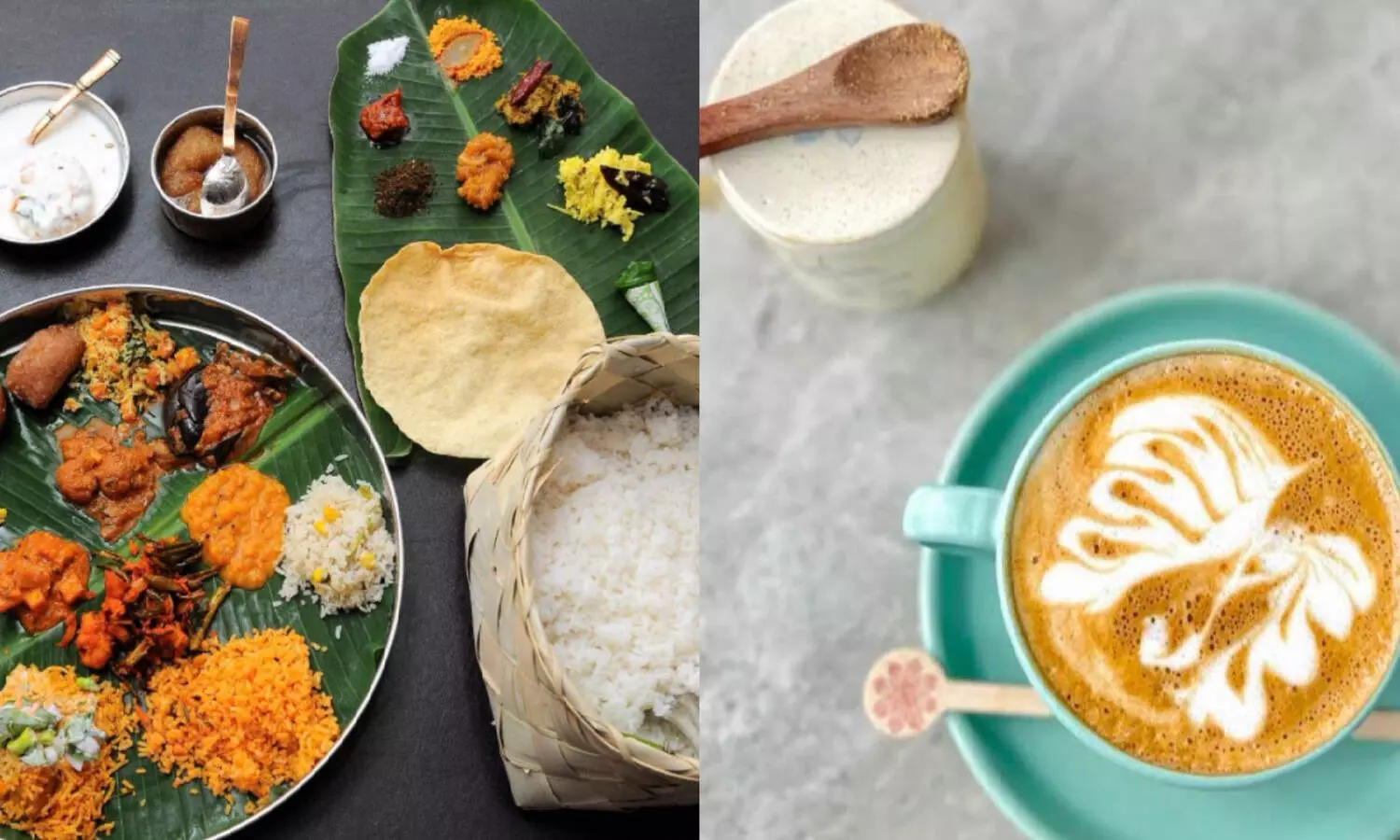
Hyderabad: In 2025, Hyderabad didn’t chase novelty as much as it rewarded reliability. The city ate out with discernment. Places that survived the year weren’t always the loudest or newest; they were the ones that showed up daily with consistency, clarity and a sense of purpose.
“This year, people stopped asking what’s trending and started asking what’s good,” said Shivani Vijay, a food blogger based in Jubilee Hills, speaking to NewsMeter. “Repeat value mattered more than Instagram value.”
What follows is not a ranking, but a record of the places and food moments that defined how Hyderabad ate in 2025, across neighbourhoods, price points and cuisines.
1. Neighbourhood institutions that refused to fade
Old City biryani counters (Shah Ali Banda, Yakutpura, Barkas)
2025 reaffirmed one truth: Hyderabad’s food culture still bows to the Old City. While new-age biryani experiments surfaced across town, local counters continued to draw daily crowds without reinvention.
A regular customer in Barkas said, “The biryani tastes the same because it’s not trying to impress anyone.”
These kitchens mattered this year because they resisted dilution. No branding refresh, no fusion menu, just sustained community trust.
Nampally and Mallepally bakeries
Irani bakeries and neighbourhood ovens remained relevant not through nostalgia alone, but through adaptability.
- Subhan Bakery (Nampally)
Subhan Bakery continued to draw daily footfall in 2025 for its unchanging core, tea cakes, khari and fruit biscuits, while quietly adapting to the present. Digital payments, cleaner packaging and longer operating hours kept it functional without altering what people came for.
A regular customer said, “Nothing tastes new here, and that’s why it works.”
The bakery mattered this year because it balanced familiarity with basic modern needs, staying accessible as prices rose elsewhere.
- Milano Bakery (Mallepally)
Milano Bakery remained relevant by serving neighbourhood-scale demand rather than chasing expansion. Plum cakes, buns and biscuits continued to sell at prices that didn’t push customers away.
A local resident noted, “This is everyday bakery food, not occasion food.”
In 2025, its strength lay in restraint, small updates, steady pricing and consistency that kept café culture grounded in affordability.
- Pista house bakery (Nampally belt)
While Pista House expanded citywide, its older bakery counters around Nampally continued to function as local supply points for biscuits, khari and tea accompaniments.
A long-time customer said, “You don’t come here for trends. You come because it’s dependable.”
Its relevance this year came from scale without alienation, remaining accessible even as the brand grew.
In a year of rising prices, these bakeries stayed accessible, grounding Hyderabad’s café culture in affordability.
2. Chef-driven kitchens that changed the conversation
Tuya (Modern Indian, global South-forward)
Tuya stood out in 2025 for refusing to flatten Indian food into clichés. Its menu moved beyond butter chicken tropes, focusing instead on regional depth, fermentations and produce-led cooking.
A diner described it simply: “This is Indian food that trusts the diner.”
Tuya mattered because it re-educated taste without alienation. It brought fine-dining discipline to familiar flavours without spectacle.
Karafa (Pastry & cocoa-forward dining)
Karafa-shaped Hyderabad’s dessert and pastry conversation this year by centring cocoa as an ingredient, not decoration. From single-origin chocolate desserts to restrained plating, it set a standard for seriousness in pastry.
In a city dominated by sugar-heavy finales, Karafa introduced restraint and technique into mainstream dining.
3. Cafés that became daily rituals
Autumn Leaf Café (sustained relevance)
Rather than reinventing itself, Autumn Leaf doubled down on what it does best: quiet seating, consistent food and space to linger.
A regular patron said, “This is where conversations last longer than the coffee.”
In 2025, as café fatigue set in across the city, spaces that prioritised comfort over churn gained renewed loyalty.
True Black & Coffee Cup (community anchors)
Independent cafés that focused on coffee quality and routine over themed interiors saw strong footfall. These cafés became workspaces, meeting points and decompression zones.
A barista at True Black noted, “People come here even when they don’t post about it.”
That invisibility, being lived in rather than showcased, was their strength.
4. The rise of quiet, focused menus
One of 2025’s strongest food patterns was menu discipline. Restaurants that reduced options and sharpened identity performed better.
5. Regional South Indian counters (Kondapur, Kukatpally and Uppal)
Places specialising in Andhra meals, Rayalaseema spice profiles or Tamil-style tiffins gained attention not for novelty, but for clarity.
Rayalaseema Ruchulu (Kondapur, Kukatpally)
Rayalaseema Ruchulu continued to matter in 2025 because it treated Rayalaseema cuisine as a distinct identity, not a variation of Andhra food. Ragi sangati, natukodi pulusu and dry, spice-forward preparations remained central, with no attempt to soften flavours for wider appeal.
A diner in Kondapur said, “This food isn’t meant to be gentle. It’s meant to be accurate.”
The restaurant’s relevance lay in its refusal to blur regional lines at a time when many menus were doing exactly that.
Subbayya Gari Hotel (Kukatpally)
Subbayya Gari Hotel sustained steady footfall through 2025 by keeping its vegetarian Andhra meal format unchanged. Meals were served course by course, without menu clutter or customisation.
A regular customer noted, “You don’t order here. You accept the meal.”
In a year when even traditional thalis were redesigned for speed, Subbayya Gari Hotel preserved structure and ritual.
Minerva Coffee Shop (Kukatpally)
Minerva Coffee Shop remained a reference point for Tamil-style tiffins done without reinterpretation. Soft idlis, crisp dosas, balanced sambar and restrained chutneys continued to define its appeal.
A morning regular said, “This tastes like breakfast, not experimentation.”
Its importance in 2025 came from consistency, serving food that matched time, place and expectation without excess.
These restaurants mattered because they respected regional specificity at a time when pan-Indian menus were losing impact.
6. Street food that held its ground
Ram Ki Bandi and morning tiffin carts
Morning street food remained untouched by trends. Ghee dosas, idlis and chutneys continued to sell out before 9 am. A street vendor who sells idlis and dosas as breakfast said, “People don’t change breakfast habits.”
In a year of culinary experimentation, breakfast stayed conservative and dependable.
7. Charminar night eateries
Late-night kebabs, malai paaya and chai continued to draw crowds, especially among younger diners rediscovering Old City food after midnight.
Nimrah Café & Bakery (Charminar)
Open late into the night, Nimrah continued to be a gathering point in 2025 for chai, Osmania biscuits and unhurried conversation. Younger diners mixed easily with long-time regulars, especially after midnight.
A college student who visits every weekend said, “This is where the city eats without filters.”
Nimrah mattered because it remained unchanged, serving as a social equaliser in a city increasingly divided by price and trend.
Shadab Hotel (Ghansi Bazaar)
Shadab’s late-night service kept it central to Old City food circuits, with kebabs, biryani and malai paaya drawing consistent crowds across age groups.
A frequent visitor noted, “Everyone ends up here at some point in the night after going to all the fancy places that don’t feed the soul”
In 2025, Shadab mattered not for reinvention, but for continuity, remaining a shared reference point across generations.
These spots mattered because they bridged generations and social circles effortlessly.
What Hyderabad rejected in 2025
Not everything survived the year.
• Overpriced pan-Asian menus with indistinct flavours
• Theme cafés without culinary depth
• Cloud kitchens built only for delivery virality
Shivani observed, “People stopped forgiving bad food just because the branding was good.”
Overall, how did the city eat?
Hyderabad in 2025 chose familiarity over frenzy. It rewarded places that respected time, recipes refined slowly, menus edited carefully and spaces allowed to age.
The best food spots of 2025 weren’t always new. They were the ones that understood the city’s appetite, not just for flavour, but for reliability, identity and quiet excellence.
And that, more than any trend, defined how Hyderabad ate this year.


