Lemon rinds to banana skins: Turn everyday peels into eco-friendly household tools
The bright lemon rinds we discard after making lime soda, the banana skins tossed aside after breakfast, the orange peels swept off cutting boards; all of them carry untapped value.
By - Newsmeter Network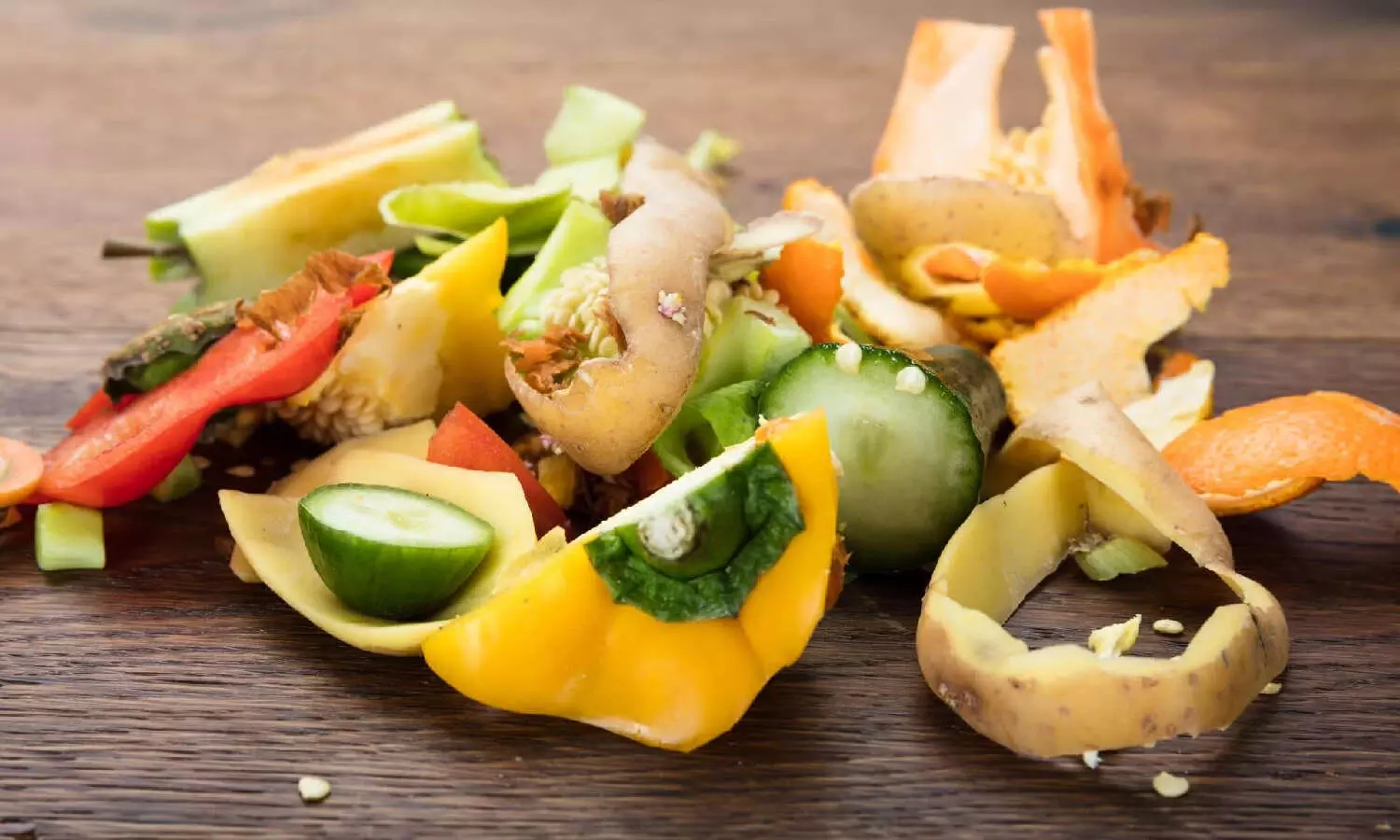
Hyderabad: In a world where sustainability often feels complicated with charts, carbon counts and ever-changing rules, the simplest solutions are sometimes hiding in plain sight.
One of them sits quietly in every kitchen: fruit peels.
The bright lemon rinds we discard after making lime soda, the banana skins tossed aside after breakfast, the orange peels swept off cutting boards; all of them carry untapped value.
Power of everyday fruit scraps
As households look for practical ways to reduce waste and live more consciously, these everyday scraps are emerging as small but powerful tools in the shift toward greener living.
What makes fruit peels so compelling is not their novelty but their accessibility. They require no apps, no equipment, no investment, only a small mindset shift.
The various roles peels play
When reused thoughtfully, they can feed gardens, replace chemical cleaners, scent homes, colour fabrics, nourish soil and even support micro-entrepreneurs.
They show that sustainability isn’t always about buying eco-friendly products; sometimes, it’s about re-imagining what we already own.
This article explores how fruit peels are becoming part of a new, practical sustainability movement, one rooted in home kitchens, community swaps, terrace gardens, and local creativity. And it reveals how something as ordinary as a peel can quietly reshape the way we consume, craft, and care for the planet.
Why fruit peels matter in sustainable living
Fruit skins contain fibre, minerals, essential oils, natural pigments and cellulose.
When discarded with mixed waste, these materials produce methane in landfills. When repurposed, they support soil health, reduce chemical dependency and cut household waste.
Environmental educator Dr Nalini Raghavan, speaking to NewsMeter, explains, “Fruit peels are one of the easiest entry points for people trying to live sustainably. You start with what’s already in your kitchen.”
Composting: The most efficient route
1. Home composting
Chopped fruit peels break down easily in a home compost. They provide nitrogen and micronutrients, helping balance dry materials such as leaves and cardboard.
Benefits include:
• Healthier soil structure
• Better moisture retention
• Reduced waste disposal
• Lower dependence on store-bought fertilisers
2. Vermicomposting
Worms readily convert banana, papaya, apple and melon peels into nutrient-rich castings. Citrus can be added gradually in small amounts.
Soil researcher Arvind Menon notes, “When worms process fruit peels, the nutrients become immediately available to plants. It’s a fast, natural recycling mechanism.”
3. Bokashi: A compact urban alternative
Bokashi fermentation uses beneficial microbes to break down fruit peels inside sealed containers.
It’s ideal for apartments since it is odour-free and space-efficient. Once fermented, the peels can be buried in soil or added to a compost bin, speeding up decomposition.
Everyday household products made from peels
Fruit peels contain natural compounds that can replace chemical-heavy products.
1. Citrus peel cleaners
Lemon and orange peels contain limonene, a natural degreaser. When soaked in vinegar, the mixture becomes a powerful surface cleaner, useful for kitchens, tiles and glass.
2. DIY Air fresheners and aromatics
Boiling citrus peels releases fragrant oils that freshen indoor air.
A mix of dried citrus, cloves and cinnamon sticks makes long-lasting potpourri.
3. Skincare and personal care
Fruit-peel-based skincare is becoming popular in zero-waste circles:
• Orange peel powder offers gentle exfoliation.
• Banana peel rubs are used in simple home remedies.
Dermatology researcher Dr Susan George says, “Natural skincare made from fruit peels can be effective in moderation. Patch-testing is essential because even natural compounds can irritate sensitive skin.”
4. Edible and kitchen uses
Pectin extraction: Citrus peels are a natural source of pectin, a key ingredient for setting jams and jellies. This reduces the need for packaged stabilisers.
Flavour enhancers
• Lemon zest brightens savoury dishes.
• Dried orange peel powder is commonly used in desserts.
• Apple and pear peel infusions add subtle sweetness to water and teas.
5. Peel-based teas
Dried citrus peels steeped in hot water create refreshing, caffeine-free beverages that cut down beverage waste.
6. Gardening benefits
Fruit peels support home gardening in multiple ways.
Banana peel fertiliser: Rich in potassium, banana peels help flowering plants, succulents, and fruiting plants. They can be:
• Buried in soil
• Steeped in water to make fertiliser tea
• Dried and powdered
Natural pest deterrents: Citrus peels can discourage ants and aphids when placed around plant bases.
Mulching: Finely chopped peels can act as short-term mulch, helping soil retain moisture.
Agricultural extension specialist Kiran Deshpande shares, “Even a small amount of fruit-peel compost can boost home-garden productivity. It’s a simple way to return nutrients to the soil.”
Creative and lifestyle uses
Natural dyes
• Pomegranate peels yield earthy yellows.
• Onion skins offer browns and golds.
• Avocado peels and pits produce pale pink dyes.
Soap and candle making
Dried citrus peels add fragrance and texture to homemade soaps and soy candles.
Zero-waste décor: Dried orange slices and citrus garlands make sustainable festive decorations.
Community and entrepreneurial opportunities: Fruit peels also support small-business and community models.
Small-batch essential oils
Local makers can extract citrus oils for natural cleaners and aromatherapy.
Biochar and natural filters: Carbonised fruit peels serve as low-cost water filters, useful in rural areas.
Livestock feed
Dried banana and melon peels can be processed for certain animal feed mixes.
Biogas production: Fruit waste works well in small anaerobic digesters to produce cooking gas and manure.
Environmental engineer Samar Ahmed observes “When fruit waste becomes energy or biochar, it shifts from a household leftover to a community resource.”
Safety notes
• Always wash peels thoroughly.
• Avoid using peels from spoiled fruit.
• Keep citrus cleaners away from marble.
• Balance peels with dry waste while composting.
How to start
1. Keep a small peel bin on your counter.
2. Decide your route: compost, ferment, repurpose, or craft.
3. Begin with one simple practice, such as making a citrus-infused cleaner.
4. Add the rest gradually.
5. Share compost, peel powders, or natural cleaners with neighbours.
Conclusion
Fruit peels prove that sustainability doesn’t always require big shifts; sometimes it just needs a rethink of the small things.
They bridge convenience and consciousness, offering practical ways to reduce waste, save money, and reconnect with natural cycles. With the right habits, every home can convert these simple scraps into resources that nourish the planet and enhance daily living.
As Dr Nalini Raghavan puts it, “If even half of our fruit peels were reused, we’d see a meaningful reduction in waste. Sustainable living often begins with the smallest decisions.”


