Sixteen years of The Coffee Cup, from first café in Sainikpuri to neighbourhood anchor
The chicken fillet sandwich came from a chef I worked with while sailing. We didn’t even change the name. Today, almost every café has a version of it.
By - Anoushka Caroline Williams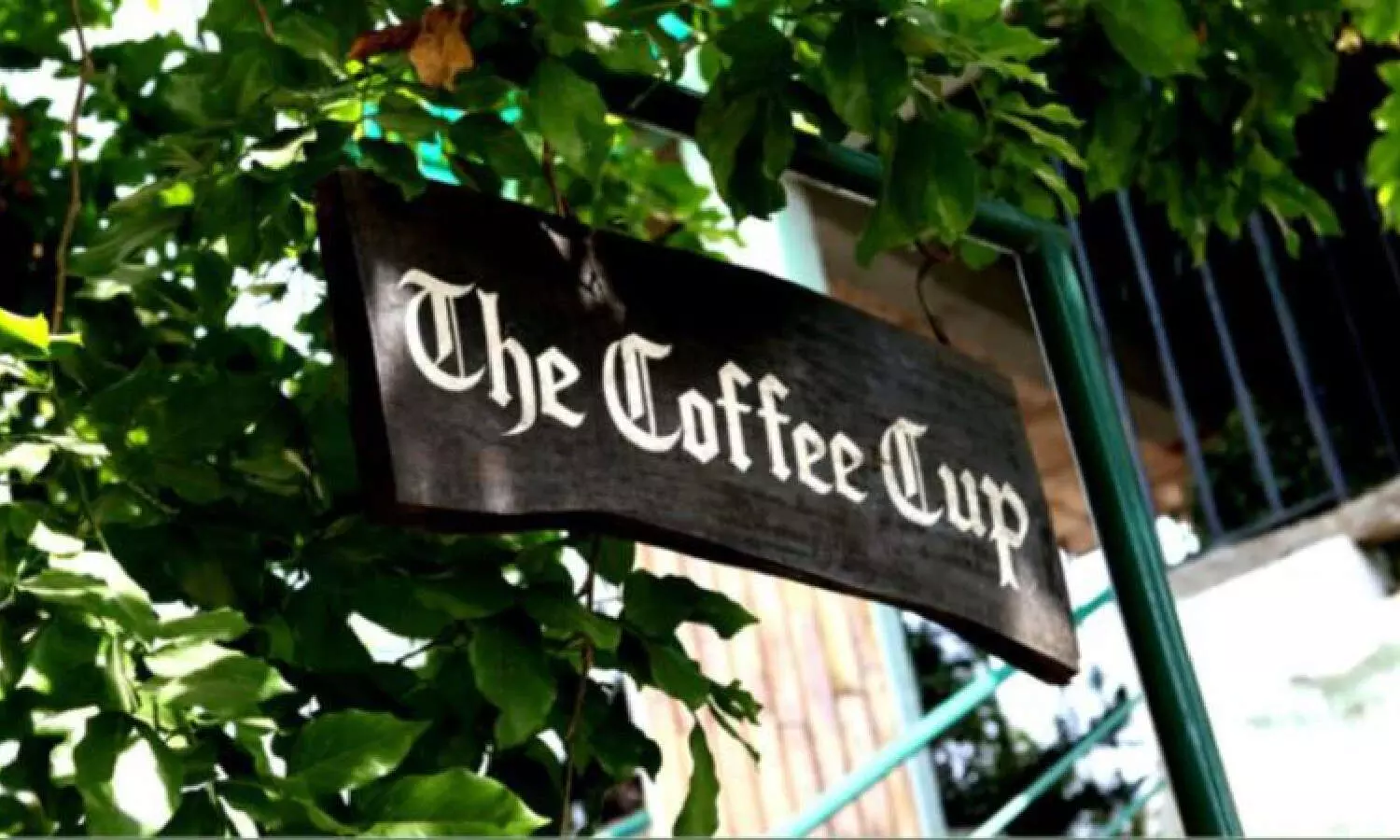
Hyderabad: When The Coffee Cup opened in Sainikpuri in 2010, cafés were not part of the neighbourhood’s vocabulary. There were no clusters of coffee shops, no weekend queues, and no defined café culture. The space was created to meet a personal need, somewhere to sit, talk, and spend time, rather than to follow a market trend. Over the next sixteen years, that small decision helped shape how Sainikpuri eats, meets, and gathers today.
Founder Varun Sharma speaks to NewsMeter about building Sainikpuri’s first café, navigating change, and why familiarity still matters more than novelty.
Origins & Vision
NM: When did you start The Coffee Cup, and what led you to open a café in Sainikpuri at that time?
Varun Sharma: We opened in January 2010. My daughter was born later that year, in November, so I often remember that my wife was actually carrying her when we started the café.
At that time, Sainikpuri had no food or café culture. I wasn’t originally from here, but my in-laws lived close by, and we had just bought a place nearby. There was simply nowhere to go.
We didn’t start with a business plan or a clear idea of what a café should be. Honestly, we built the place for ourselves — a space where we could hang out and feel comfortable. We lived close by, we had jobs, and this was never meant to be a primary source of income initially. It was an experiment.
NM: Did you imagine Sainikpuri would become the café hub it is today?
Varun Sharma: Not at all. Everyone thought we had opened too far away from the city.
The café boom really happened after COVID. People had time to think, reassess, and many decided to start their own businesses. One place opened, then another, and it became a chain reaction. But back in 2010, we didn’t foresee anything like this.
Early Days & Community Response
NM: How did locals react when The Coffee Cup first opened? Were there regulars early on?
Varun Sharma: People were confused. They didn’t know what a cappuccino was. Food options in cafés were limited everywhere then, mostly to beverages.
At the time, Café Coffee Day and Barista were the reference points. Customers expected similar menus. When we tried introducing different dishes, people didn’t quite know what to make of them.
NM: The menu today is extensive. How did it evolve?
Varun Sharma: Very organically. Recipes came from friends, neighbours, and people we trusted.
Our white sauce pasta recipe came from a young woman who lived nearby. She showed us how to make it, and we’re still using the same recipe today.
The chicken fillet sandwich came from a chef I worked with while sailing. We didn’t even change the name. Today, almost every café has a version of it.
Even pizzas, I learnt them from the person who sold me the oven, not a trained pizza chef. If something worked, it stayed.
Shaping Sainikpuri’s Identity
NM: Do you feel The Coffee Cup influenced the neighbourhood’s food culture?
Varun Sharma: Yes, definitely. We filled a gap.
Banjara Hills and Jubilee Hills were too far and expensive for many people here. Young people wanted a space that felt accessible.
We didn’t chase imported ingredients or complicated formats. Indian palates matter. If something works, there’s no reason to force alternatives. I think people saw that this was possible and felt encouraged to try.
Ambience, Design & Personal Taste
NM: The café is known for its books, board games, comics, and décor. Was that part of the original plan?
Varun Sharma: It was personal. I’ve always loved comics.
Most of what you see here is custom-made. The lights, the posters, they aren’t off-the-shelf. We fabricated them. Even the comic posters were designed and printed by us.
Most customers may not notice these details, and that’s fine. But they create a space that feels lived-in rather than designed for trends.
Competition & Challenges
NM: How has The Coffee Cup dealt with increasing competition in Sainikpuri?
Varun Sharma: Competition is inevitable. Everyone wants to try new places.
If you get food, service, and ambience mostly right, people return. You can’t make everyone happy, but consistency matters.
NM: What have been the biggest challenges over the years?
Varun Sharma: Consistency. You’re dealing with people, not machines.
Staff retention is another challenge. Some of our team members have been with us for 10 to 12 years, which says something about the work culture. But growth is necessary too, if we don’t create new opportunities, people eventually have to move on.
COVID forced us to relearn the business. Pre-COVID was comfortable. Post-COVID changed everything.
Staying Relevant After 15+ Years
NM: What keeps The Coffee Cup relevant even after all these years?
Varun Sharma: The food, the ambience of this outlet, and the people.
Some customers don’t even need to order; the staff already knows what they want. That familiarity creates comfort.
The human touch matters. I’m not a fan of digital-only menus. They remove interaction, and that connection is important.
Growth, Expansion & Reflection
NM: Do you plan to expand The Coffee Cup further or start something new?
Varun Sharma: It’s easier to build on what already works.
Many cafés open for the wrong reasons and shut down just as quickly. We didn’t start purely for money, and that foundation helped us last.
NM: Looking back, would you do anything differently?
Varun Sharma: I would have opened more outlets earlier. I hesitated because I was worried it might dilute the concept.
I also wish I had understood the business side better earlier. Nobody teaches you how to run a restaurant; you learn on the job.
But overall, we’re fine. The café has grown with the neighbourhood, and that’s something I value.
Conclusion
Sixteen years after it first opened, The Coffee Cup remains less a product of trends and more a reflection of its surroundings. What began as a personal experiment, a place created out of necessity rather than strategy, has grown alongside Sainikpuri itself.
In a neighbourhood now crowded with options, the café’s endurance rests not on reinvention but on familiarity, consistency, and long-standing relationships with its customers and staff.
For Varun Sharma, the success of The Coffee Cup lies in its ability to remain recognisable even as the city around it changes. In an industry defined by rapid turnover, the café’s continued presence serves as a reminder that spaces built with patience, community, and a clear sense of purpose often outlast those designed solely to follow the market.


