The acne burden: Dermatologists across India report steady rise in cases among young adults
Adult acne has become common enough that we now treat it almost as frequently as teenage acne. The triggers are different, and so the approach must also evolve.
By - Newsmeter Network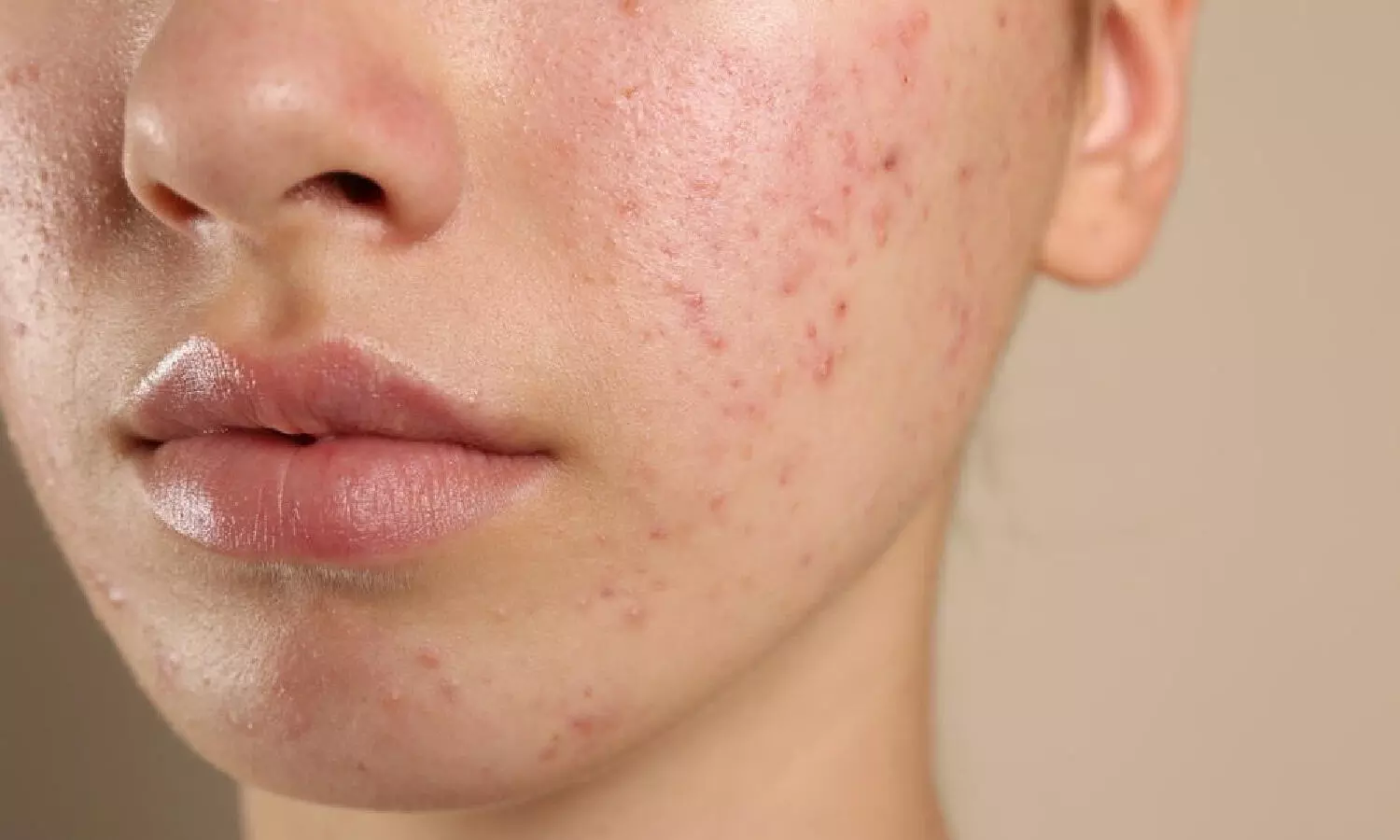
Hyderabad: Acne is no longer limited to adolescence. Dermatologists across India report a steady rise in cases among young adults and a notable increase in adult-onset acne, especially in urban centres.
“We are now seeing patients in their late 20s and 30s with persistent acne that is often linked to stress, hormonal variations, and environmental exposure,” Dr. R. Anjali, a dermatologist, told NewsMeter.
This shift has reframed acne as a broader public-health issue rather than a teenage phase.
Who is affected most?
While individuals aged 18–25 continue to form the largest segment seeking acne care, clinics now see:
• Women experiencing hormonal acne in their 20s and 30s
• Corporate employees exposed to pollution and long commutes
• Students using cosmetic products more regularly
• Individuals with sensitive skin experiencing recurring flare-ups
“Adult acne has become common enough that we now treat it almost as frequently as teenage acne. The triggers are different, and so the approach must also evolve.” Notes, Dr. Anjali.
Key drivers behind rising acne rates
1. Urban pollution & heat exposure
High particulate matter, sweat accumulation, and humidity can clog pores and intensify inflammation.
Hydration specialist and dermatologist Dr. Priya Acharya explains,
“Pollution particles are small enough to settle deep in pores, and this can lead to persistent comedones and inflamed acne for city-dwelling patients.”
2. High-glycemic and processed diets
Daily intake of sugary beverages, refined carbohydrates, and packaged snacks can alter insulin levels.
Nutritionist Dr. Farah Siddiqui adds,
“Diet may not be the only factor, but high-glycemic foods definitely worsen breakouts for many patients we counsel.”
3. Increased cosmetic & product usage
Long-wear foundations, sunscreens, and heavy skincare can cause congestion if not paired with proper cleansing routines.
4. Hormonal variations in women
Conditions like PCOS, menstrual fluctuations, and stress-related hormonal imbalance often trigger breakouts.
5. Stress & irregular sleep
Constant stress elevates cortisol, which stimulates oil production.
As Dr. Kulkarni notes, “Stress-induced acne is no longer a rare phenomenon; it is a weekly conversation in almost every clinic.”
Traditional treatment limitations
India’s acne treatments have largely relied on:
• Oral antibiotics
• Steroid-based creams
• Retinoids
• Chemical peels
• Microneedling
However, some of these approaches come with challenges.
Dr. Veena Praveen, Consultant Dermatologist and Regional Medical Head (South), Kaya Limited, explains, “Oral and topical steroids must be used carefully. Unregulated usage can disrupt hormones and create long-term dependence. Patients want effective results without these risks.”
This concern has pushed many towards non-invasive, device-based treatments that avoid systemic side effects.
A need for accessible, long-term solutions
As acne recurrences increase, dermatologists emphasise device-led treatments to target root causes effectively.
“Patients want predictable outcomes. They don’t want to rely on long medication cycles and worry about recurrence every few months,” says Dr. Anjali
This growing demand for stable, safe solutions is why platforms like Kaya Clinics have introduced newer technologies.
Aerolase Neo Elite: A modern approach to acne care
Kaya Clinics recently launched the Aerolase Neo Elite, an advanced, US-FDA-approved laser technology known for targeting acne at multiple layers. It works by:
• Eliminating acne-causing bacteria
• Reducing excess oil activity
• Controlling inflammation
• Improving pigmentation and spots
• Minimising superficial scars
• Rejuvenating the skin
Dr. Veena Praveen elaborates,
“The Aerolase Neo Elite laser addresses the root causes of active acne while improving scars and pigmentation. It offers a safe, comprehensive solution for Indian skin without the side effects of long-term medication.”
Clinicians also highlight its suitability for diverse skin tones, important in the Indian context.
Clinical feedback & Patient response
Kaya Clinics reports encouraging feedback from users. Many patients find the treatment more consistent than traditional medication-based routines.
Nishant Nayyar, VP and Head of Marketing, Kaya Clinics, states, “Two-thirds of users who have tried Aerolase Neo Elite would recommend it to others. About 70% found it more effective than previous treatments. Patients appreciate that it is non-invasive and suitable for varied skin types.”
Dermatologists working with device-led treatments agree that patient trust increases when results appear steadily without systemic side effects.
Beyond the skin: Emotional & social impact
Acne often affects more than appearance. It can influence:
• Self-confidence
• Social interaction
• Workplace comfort
• Mental well-being
Psychologist Dr. Meenal Reddy notes,
“Acne impacts how individuals perceive themselves. Even mild breakouts can feel overwhelming, especially when marks remain for months.”
This makes long-term, comprehensive management essential, not just clearing acne but addressing pigmentation and scars that linger.
The road ahead: A new era for acne management in India
As pollution, lifestyle changes, and dietary habits continue to influence skin health, dermatologists expect acne cases to stay high. However, the shift toward advanced technologies like Aerolase Neo Elite is opening up new possibilities for more predictable, long-lasting outcomes.
Dr. Anjali sums it up well: “The priority now is safe acne care that works at the source. Indian skin responds well to targeted technologies when paired with consistent skincare and lifestyle changes.”
With improved accessibility and increased awareness, India’s approach to acne management is steadily evolving, giving patients more reliable options for clearer, healthier skin.


