CURE Plan: CM Revanth announces rejig of ORR, replacement of diesel-run buses, autos to EV vehicles
This decentralisation is designed to shift the city from traditional ‘good governance’ to a tech-driven ‘smart governance’ model
By - Kaniza Garari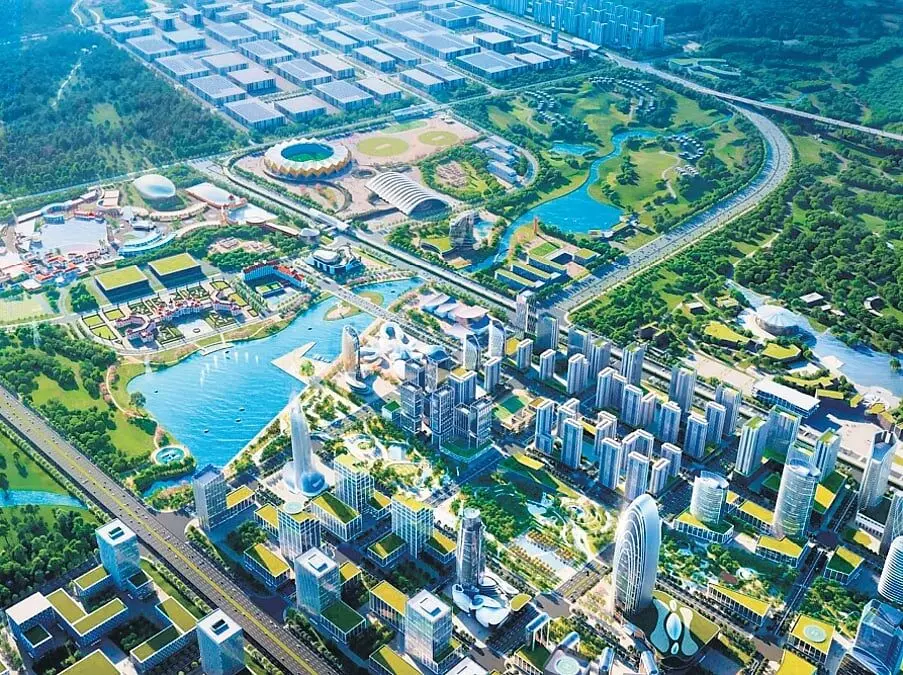
Representational Image
Hyderabad: To implement the concept of Core Urban Region Economy (CURE), Chief Minister A Revanth Reddy announced the reorganisation of the city into a leaner, more efficient structure to drive the growth.
With the aim to ensure governance reaches every doorstep, the government has officially restructured the region within the Outer Ring Road (ORR) into 12 zones, 60 circles and 300 wards, said the CM Revanth Reddy in a review meeting on Tuesday.
Complete overhaul in city administration
This decentralisation is designed to shift the city from traditional ‘good governance’ to a tech-driven ‘smart governance’ model.
In the meeting, directives were issued to the municipal administration and urban development department regarding a complete overhaul in the administration of Hyderabad.
These steps are being taken keeping the ambitious ‘Telangana Rising 2047’ vision in mind, the CM said.
Briefing to the zonal commissioners
With the new zones in the Greater Hyderabad Municipal Corporation (GHMC), special chief secretary Jayesh Ranjan, chief secretary Ramakrishna Rao and CM advisor Vem Narender Reddy briefed the newly appointed zonal commissioners on the ‘future plans for the city and the collective accountability.’
Zero tolerance for garbage
Identifying waste management as the city’s most complex challenge, CM Revanth declared a ‘zero-tolerance’ policy toward street-side garbage and potholes.
Key mandates include:
1. Plastic ban: A total ban on plastic across the city to curb environmental degradation.
2. Sanitation special drives: Mandatory three-day sanitation drives every month, supplemented by garbage clearance operations every ten days.
3. CCTV surveillance: Installation of high-definition cameras at lakes, nalas (drains), and dumping yards to prevent illegal encroachment and littering.
Phasing out diesel-run buses and autos
In a significant move toward a ‘Net-Zero’ Hyderabad, the CM announced that all diesel-run buses and autos within the CURE area will be phased out and replaced by Electric Vehicles (EVs).
Desilting in January
To prevent urban flooding, a coordinated effort between HYDRAA, GHMC, and the Water Works department will begin de-silting drains as early as January. The Chief Minister also tasked Zonal Commissioners with proactive mosquito control and public health measures to prevent seasonal outbreaks.
Tech-first citizen services
The CM emphasised that transparency must be the bedrock of the new administration. This includes:
1. Digital certificates: Generation of birth/death certificates and trade licenses will move entirely to online platforms.
2. Responsive redressal: Toll-free numbers must ensure lightning-fast response times to citizen grievances.
3. Community partnership: Zonal Commissioners have been instructed to maintain constant communication with Colony and Apartment Welfare Associations.
A 5-year action plan
The Chief Minister directed all departments to finalise a comprehensive 5-year action plan. Special Chief Secretary Jayesh Ranjan will oversee the inter-departmental coordination to ensure that the vision for a ‘Rising Telangana’ is met with measurable results.
“Zonal Commissioners must be on the field every day,” the CM stated. “We are not just managing a city; we are building a global economic engine,” he emphasised.


