Plea in Telangana HC challenges Shivadhar Reddy’s appointment as DGP and HoPF as violation of SC norms
Appointment of B Shivadhar Reddy as DGP and HoPF violated SC norms, a plea in Telangana HC
By - Newsmeter Network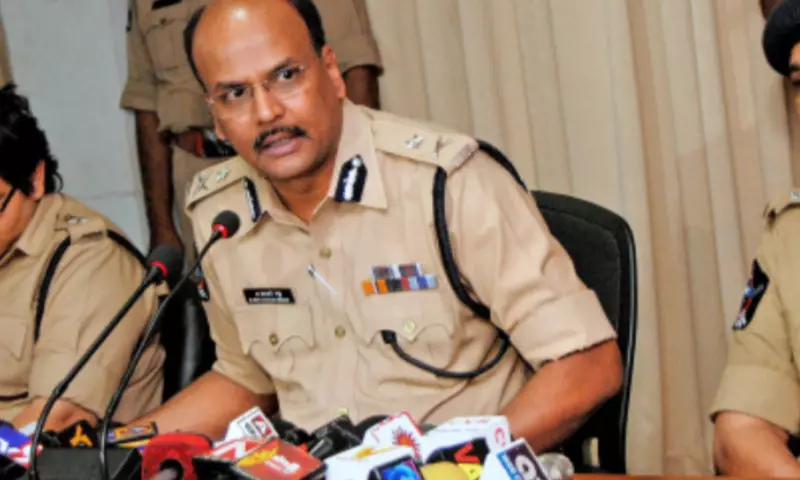
Hyderabad: Appointment of B Shivadhar Reddy as DGP and HoPF violated SC norms, plea in Telangana HC
Hyderabad: The Telangana High Court on Thursday initiated a significant legal hearing into a writ petition challenging the appointment of B Shivadhar Reddy, IPS, as the State’s Director General of Police (DGP) and Head of Police Force (HoPF).
Presiding over a single bench, Justice Pulla Karthik questioned the State government’s adherence to mandatory legal procedures established by the Supreme Court regarding the selection of a permanent police chief.
Shivadhar Reddy’s appointment is ‘blatant violation’ of SC ruling
The petition, filed by advocate and social activist T Dhangopal Rao, seeks a Writ of Quo Warranto to quash the appointment order (GO 1339) issued on September 26.
Rao, appearing as a party-in-person, argued that the appointment of B Shivadhar Reddy—who was given Full Additional Charge (FAC) as DGP (HoPF)—is in ‘blatant violation’ of the landmark Prakash Singh vs. Union of India case.
The petitioner raised several key points:
- Prohibition of Acting DGPs: The Supreme Court explicitly prohibits the appointment of temporary or ‘acting’ DGPs to insulate the police force from political interference.
- Empanelment Process: States are mandated to submit a panel of the three most senior eligible IPS officers to the Union Public Service Commission (UPSC) at least three months prior to a vacancy.
- RTI Evidence: The petitioner produced an RTI response from the UPSC, which reportedly shows that no empanelment committee meeting has been held for the current DGP position in Telangana.
‘Quo Warranto is not the correct legal vehicle’
Advocate General A Sudershan Reddy defended the state’s position, moving to dismiss the allegations of non-compliance.
He informed the court that a panel had indeed been previously submitted to the UPSC, but the Commission had sought clarifications.
He argued that a Writ of Quo Warranto is not the correct legal vehicle for this challenge, suggesting that any perceived violations of apex court orders should be addressed via contempt proceedings in the Supreme Court.
The Advocate General noted that the judicial landscape regarding police appointments has evolved with multiple orders following the initial 2018 Prakash Singh judgment.
Is it not binding, asks court
Justice Pulla Karthik declined the petitioner’s immediate plea to suspend the appointment order but underscored the gravity of the legal requirements.
“First, comply with the Supreme Court order. Is it not binding on the state or not?” the Justice remarked during the hearing. The court has directed the Advocate General to obtain specific written instructions on whether a panel of senior IPS officers was duly sent to the UPSC specifically for the current appointment.
The proceedings have been adjourned to December 22 for further instructions.


