Sangareddy chemical plant row: Civil society writes to CM Revanth over alleged police intimidation
The hearing, scheduled for January 3 in Malgi village in Nyalkal mandal of Sangareddy district, concerns a proposed formaldehyde and resin manufacturing unit
By - Kaniza Garari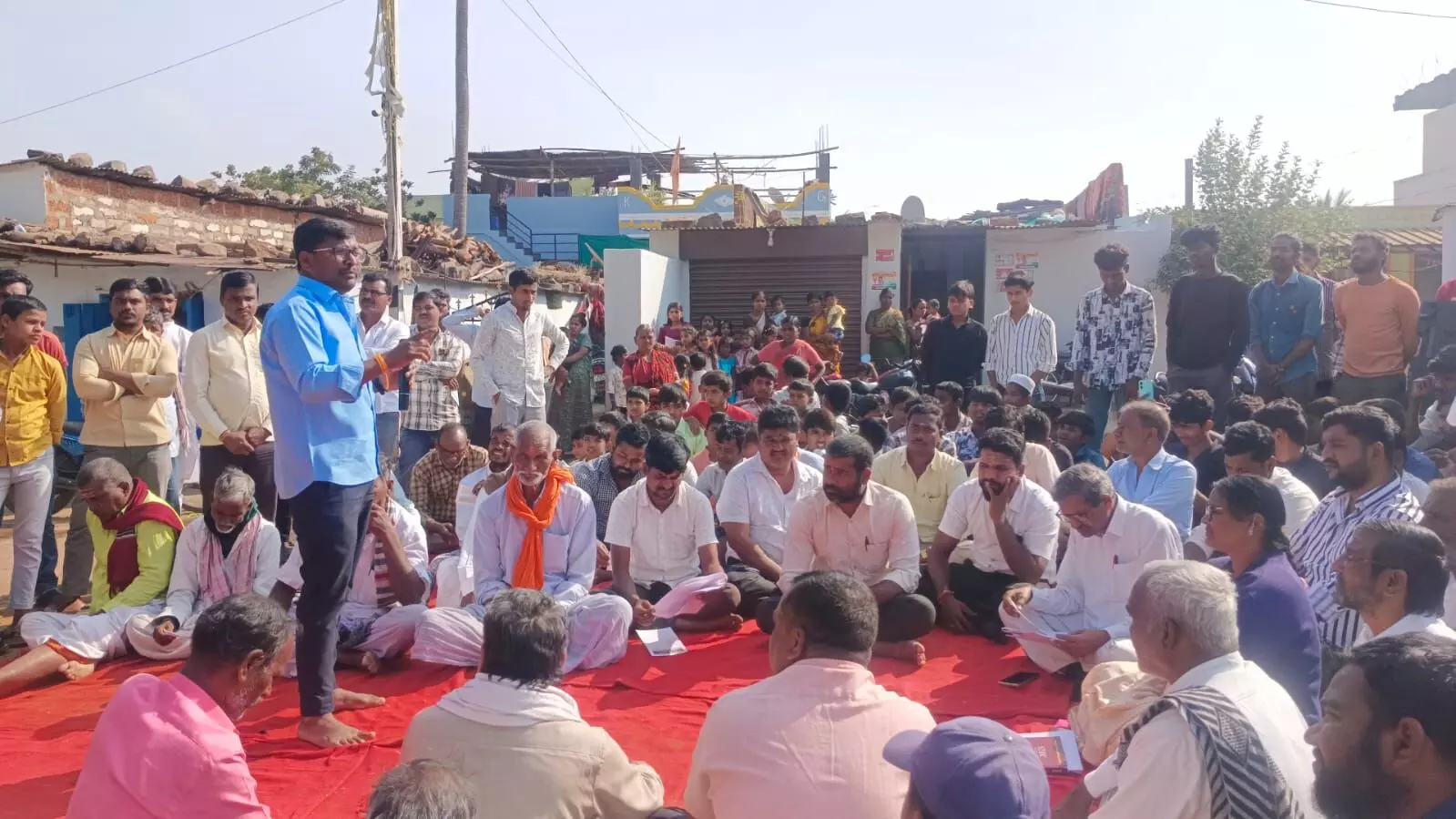
Sangareddy chemical plant row: Civil society writes to CM Revanth over alleged police intimidation
Hyderabad: A coalition of social activists, environmentalists and scientists accused the State police and district administration of ‘intimidation tactics’ to suppress opposition ahead of a crucial public hearing against a proposed chemical factory plant in Sangareddy district.
The hearing, scheduled for January 3 in Malgi village in Nyalkal mandal of Sangareddy district, concerns a proposed formaldehyde and resin manufacturing unit.
This manufacturing unit has been strongly opposed by the local communities as it will lead to severe air and water pollution. This factory will impact the local agriculture and the health of the people in the village.
Police warned against conducting community awareness activities
In a letter sent to Chief Minister A Revanth Reddy, they alleged that the intimidation began in the last week of December when the members of the Telangana People’s Joint Action Committee (TPJAC) were conducting awareness programs.
The activists highlighted a specific incident involving Y Ashok Kumar, a retired headmaster and TPJAC district convener. They alleged that the Deputy Superintendent of Police (DSP), Zaheerabad, contacted Kumar and explicitly warned him against visiting the affected villages or participating in any community awareness activities.
The groups described this as a ‘climate of fear’ created to restrict lawful, peaceful engagement and to prevent villagers from making an informed decision during the public hearing.
How did the intimidation unfold
John Michael of the National Alliance of People’s Movements created a timeline of the events:
December last week: Scientists and TPJAC activists began distributing pamphlets and holding community meetings at the request of the Malgi villagers.
Days leading up to Jan 3: Activists report receiving warnings and phone calls from high-ranking police officials to stay away from the project site.
January 2: Social activists officially write to the Chief Minister seeking urgent intervention.
January 3: Scheduled date for the public hearing in Malgi village.
Demands for a fair process
As many as 37 civil society members and groups come together to emphasise that a public hearing is a democratic right and should not be undermined by coercive measures. In their letter to the Chief Minister, they demanded:
1. Strict instructions: Directives to Sangareddy district and police authorities to stop imposing restrictions on activists or villagers.
2. No preventive custody: A guarantee that no house arrests or preventive detentions will take place prior to or during the hearing.
3. Transparency: A fair and transparent process where concerns regarding chemical accidents and environmental risks can be placed on the official record.
Growing local opposition
Local reports from Sangareddy indicate that public anger is mounting. Residents are particularly worried about the lack of emergency healthcare infrastructure to handle potential chemical leaks, as well as the long-term impact on the region’s groundwater.
The letter has been endorsed by a wide spectrum of human rights groups and farmers’ organisations, who argue that the government’s ‘people-centric’ administration is being tested by how it handles this environmental dispute.
Ravi Kanneganti, Co-Convenor, TPJAC says, "We have asked the chief minister of Telangana Revanth Reddy to look into the issue as there must not be any hinderance to the peaceful participation of public hearing on January 3rd. The public hearing must be allowed and the villagers and activists must be allowed to freely participate in the hearing. The government must respect the views of the local villagers and accept it. If they reject proposals for establishment of polluting industries, their voices must be heard and implemented. We urge the government to not carry out any undemocratic house arrests and allow for free participation in democratic form."


