Telangana Assembly passes resolution, calls for continuing MGNREGS in its original form
The House also expressed serious concern over the provisions of the newly introduced Viksit Bharat Guarantee for Rozgar and Aajeevika Mission (Rural) Act, 2025
By - Newsmeter Network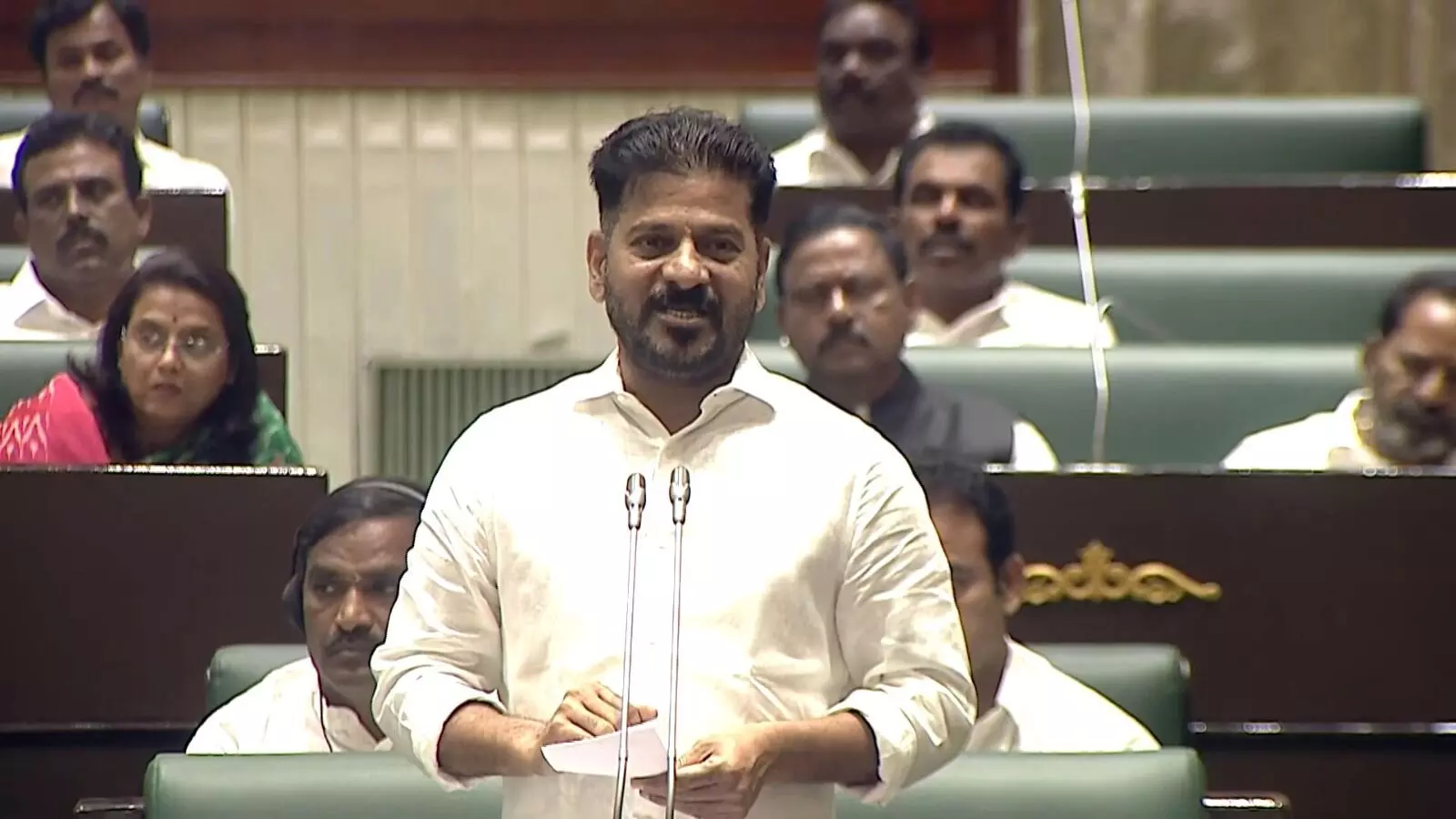
Telangana Assembly passes resolution, calls for continuing MGNREGS in its original form
Hyderabad: Telangana Legislative Assembly on Friday passed a resolution calling for continuing the Mahatma Gandhi National Rural Employment Guarantee Scheme (MGNREGS) in its original form.
The House also expressed serious concern over the provisions of the newly introduced Viksit Bharat Guarantee for Rozgar and Aajeevika Mission (Rural) Act, 2025.
Landmark welfare scheme under threat
The House recalled that the MGNREGS was launched in 2005 by the UPA government led by former Prime Minister Manmohan Singh, and came into force on February 2, 2006.
The scheme was designed to provide employment security to rural households and address poverty, unemployment, distress migration, exploitation of unskilled labour, and wage disparities, while promoting inclusive development.
Under the Act, every rural household was entitled to at least 100 days of wage employment annually.
Benefits to marginalised sections
Members noted that over the last two decades, nearly 90 per cent of beneficiaries in Telangana belonged to Scheduled Castes, Scheduled Tribes, and Backward Classes, with women accounting for about 62 per cent of the total workforce.
Dalits, tribals, persons with disabilities, Adivasis, Chenchus, and other vulnerable communities were identified as the principal beneficiaries of the scheme.
Concerns over new law
The Assembly expressed strong reservations over the VB G RAMG Act, 2025, stating that it weakens the employment guarantee framework and threatens the livelihood security of rural women and vulnerable groups who largely depend on MGNREGS.
According to the resolution, the new law departs from the demand-driven nature of the scheme by replacing it with a normative allocation system, which could significantly reduce the number of workdays available to labourers.
Impact on women and federal structure
The House warned that any reduction in workdays would disproportionately affect women from poor households, undermining years of progress toward women’s empowerment.
It also objected to the proposed change in the funding pattern from full Central funding to a 60:40 Centre-State ratio, terming it a violation of the spirit of federalism and an added financial burden on States.
Gandhi’s name and seasonal restrictions
The Assembly also opposed the removal of Mahatma Gandhi’s name from the scheme, stating that it diluted the moral and ideological foundation of the programme.
It further criticised the proposed mandatory 60-day break during the agricultural season, calling it unjust to landless rural labourers who depend on year-round employment.
Works under the scheme
Members pointed out that the existing Act permits 266 categories of works, including labour-intensive activities such as land development. The exclusion of such works under the new law, they said, would adversely affect small and marginal farmers, Dalits, and tribals.
Resolution of the House
Taking all these factors into account, the Telangana Legislative Assembly resolved that the Mahatma Gandhi NREGA Act should be continued in its true spirit, with the demand-based employment system, existing funding pattern, and approved list of works retained, to fulfil the aspirations of rural wage-earning families.


