APSRTC to induct 1,050 electric buses under PM scheme; another 1,450 e-buses, CNG buses planned
During the meeting, discussions covered the Corporation’s financial position, bus operations, passenger services, amenities at bus stations and employee welfare.
By - Newsmeter Network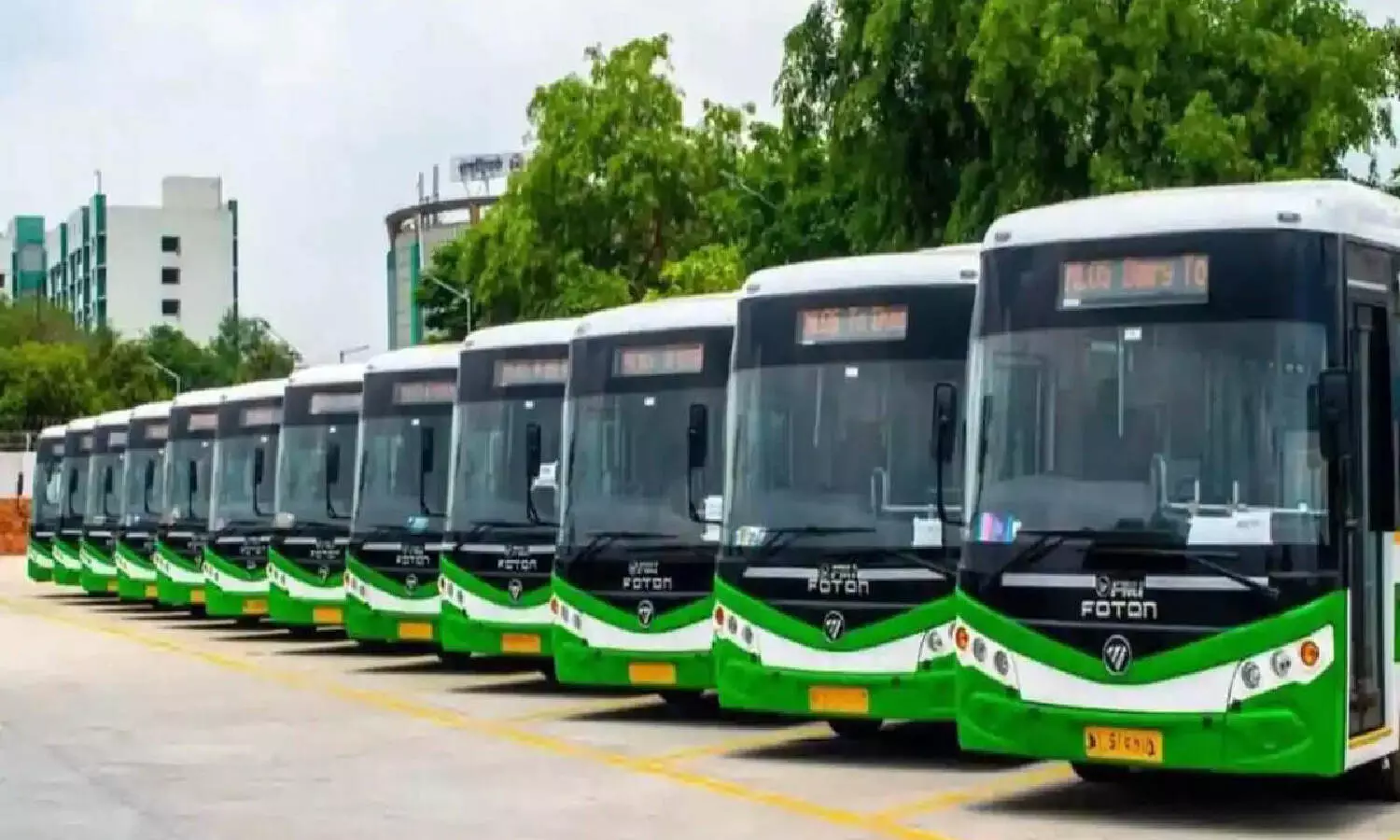
Representational Image
Vijayawada: APSRTC Managing Director MT Krishnababu has said that 1,050 electric buses will be inducted shortly under the PM e-Bus scheme, with another 1,450 electric and CNG buses lined up for phased introduction across Andhra Pradesh.
On Monday, Krishna Babu assumed charge as the managing director of the APSRTC at RTC House here.
Review of operations and passenger services
Soon after taking charge, Krishnababu held a comprehensive review meeting with Executive Directors, Heads of Departments and Public Transport Officers from all districts.
Speaking on the occasion, Krishna Babu said that supporting infrastructure such as charging stations, power supply systems and depots will be developed in a coordinated manner. The shift is expected to reduce fuel costs, lower emissions and improve long-term financial sustainability.
During the meeting, discussions covered the Corporation’s financial position, bus operations, passenger services, amenities at bus stations and employee welfare.
He stressed the need for efficient public transport operations and consistent improvement in service quality to enhance passenger satisfaction.
‘Women account for 65–67% of total ridership’
Reviewing the flagship ‘Stree Shakti’ scheme, the MD said the programme has received an overwhelming response across the State. On average, 23–25 lakh women passengers travel free every day on APSRTC buses.
He noted that women now account for 65–67 per cent of total ridership, leading to better seat utilisation and improved operational efficiency. The overall Occupancy Ratio (OR) has risen to nearly 90 per cent, significantly strengthening the Corporation’s service viability, especially in rural and semi-urban areas.
The scheme, he said, has not only empowered women socially and economically but also enhanced APSRTC’s operational performance and public credibility.
IVRS Survey: 80% passenger satisfaction
Referring to IVRS-based passenger feedback reviewed by the Chief Minister, Krishnababu said 80 per cent of commuters expressed satisfaction with APSRTC services. However, 20 per cent flagged concerns, particularly regarding:
- Poor maintenance of toilets at bus stations
- Inadequate drinking water facilities
- Behavioural issues involving a section of drivers
He directed officials to immediately address these shortcomings and implement corrective measures, including staff sensitisation programmes.
Boost to commercial revenue and cargo services
APSRTC will focus on enhancing non-fare revenue by utilising vacant land at bus stations for commercial purposes, including shopping complexes, leasing and advertisements.
The MD said cargo services currently generate around Rs 210 crore annually, and efforts will be made to standardise and expand these operations. Emphasis will be placed on affordable pricing, timely delivery and improved customer awareness to drive growth.
Employee welfare and pending issues
Krishnababu underlined the importance of employee welfare, stating that all government welfare schemes will be equally applicable to Public Transport Department staff. Pending grievances and service-related issues will be addressed in a phased manner.
Under the Medical Invalidation Scheme, orders have already been issued to provide alternative employment or additional monetary benefits (AMB) to 682 medically unfit employees since January 1, 2020, offering relief to affected families.
Road development and infrastructure funding
The MD also referred to the State government’s plan to upgrade 10,700 km of roads, with Rs 3,000 crore to be released in phases, Rs 1,000 crore by March-end, Rs 1,500 crore by June and Rs 500 crore by July.
These funds will be used for road repairs, maintenance and addressing long-pending infrastructure issues, aimed at ensuring safer and smoother public transport operations, he added.


