Six lanes, 1.70 km: NHAI to build ₹98.26 Cr flyover at AIIMS, Bibinagar to boost connectivity
The flyover will bypass a major accident blackspot and streamline access to healthcare services.
By Newsmeter Network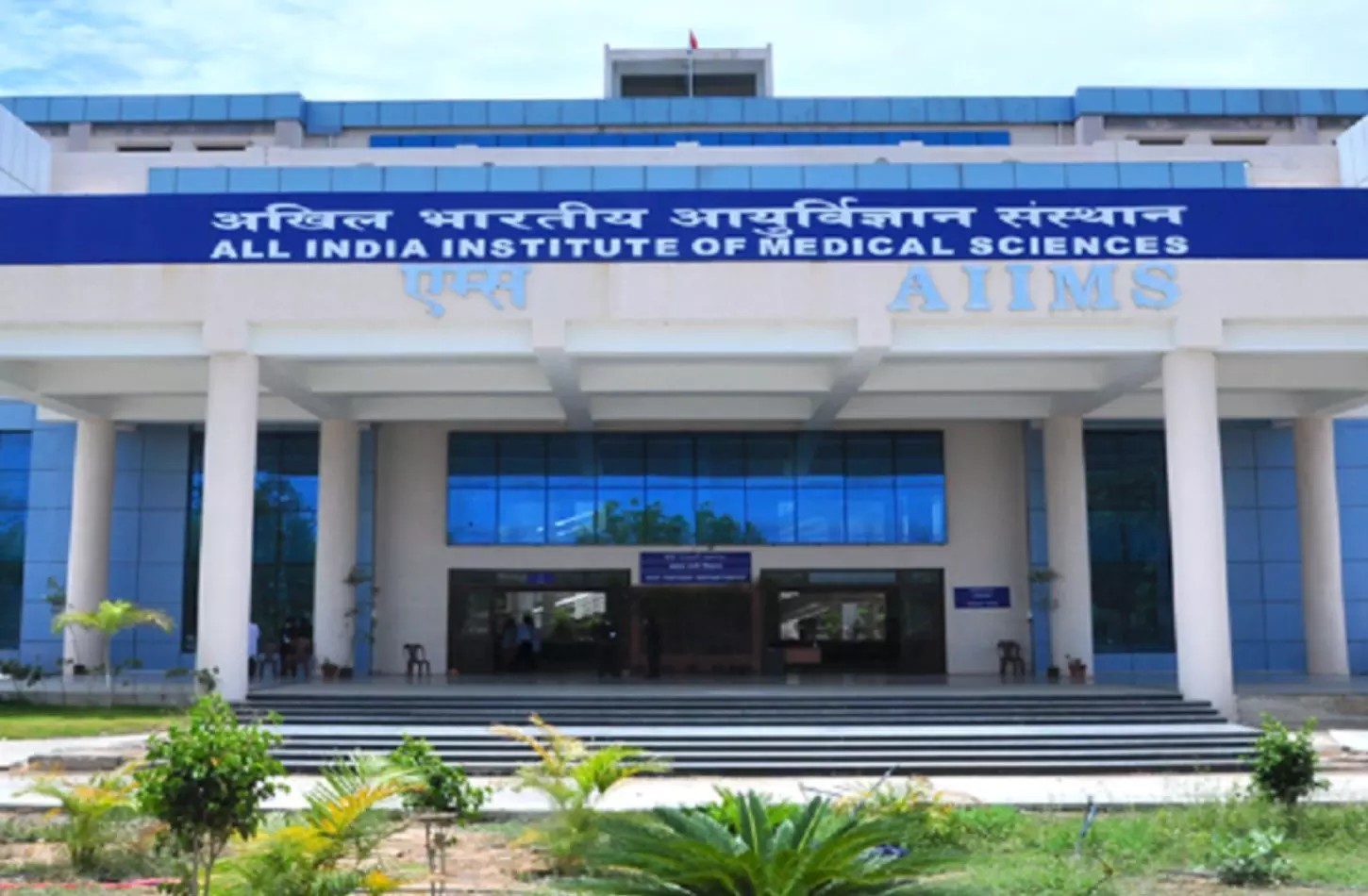
Hyderabad: National Highways Authority of India (NHAI) has approved the construction of a six-lane elevated flyover at AIIMS Bibinagar.
The flyover will bypass a major accident blackspot and streamline access to healthcare services,
The project, situated on the Hyderabad-Yadgiri section of NH-163, is estimated to cost ₹98.26 crore.
The infrastructure upgrade is specifically designed to address safety concerns and high traffic volumes near the medical institute.
Project specifications and layout
As per the details, the flyover would measure 690 meters in length. However, the total scope of the project extends across 1.70 kilometers to ensure comprehensive coverage of both the main and emergency gates of the AIIMS hospital complex.
To support local commuters from Bhuvanagiri and surrounding areas, the NHAI will construct 1.48 kilometers of new service roads on both sides of the highway.
This will allow hospital-bound traffic to move independently of the high-speed lanes, ensuring a 'conflict-free' flow for patients, medical staff, and emergency vehicles.
Comprehensive infrastructure upgrades
Beyond the bridge structure, the ₹98.26 crore investment includes several allied enhancements:
Safety Features: Installation of modern highway lighting, traffic signs, and high-visibility safety markings.
Public Amenities: Construction of new bus shelters and dedicated footpaths with integrated drainage systems on both sides of the road.
Structural Improvements: The reconstruction of six culverts to improve local water management.
A long-term solution
According to officials, an elevated flyover was chosen over earlier proposals for smaller underpasses. After assessing the heavy traffic volumes and the critical nature of hospital access, authorities determined that an elevated structure was the only viable long-term solution to accommodate future traffic expansion.


