Wakf properties registration: Telangana Congress urges Centre to extend deadline
The UMEED portal, launched by the Ministry of Minority Affairs on June 6, 2025
By - Sri Lakshmi Muttevi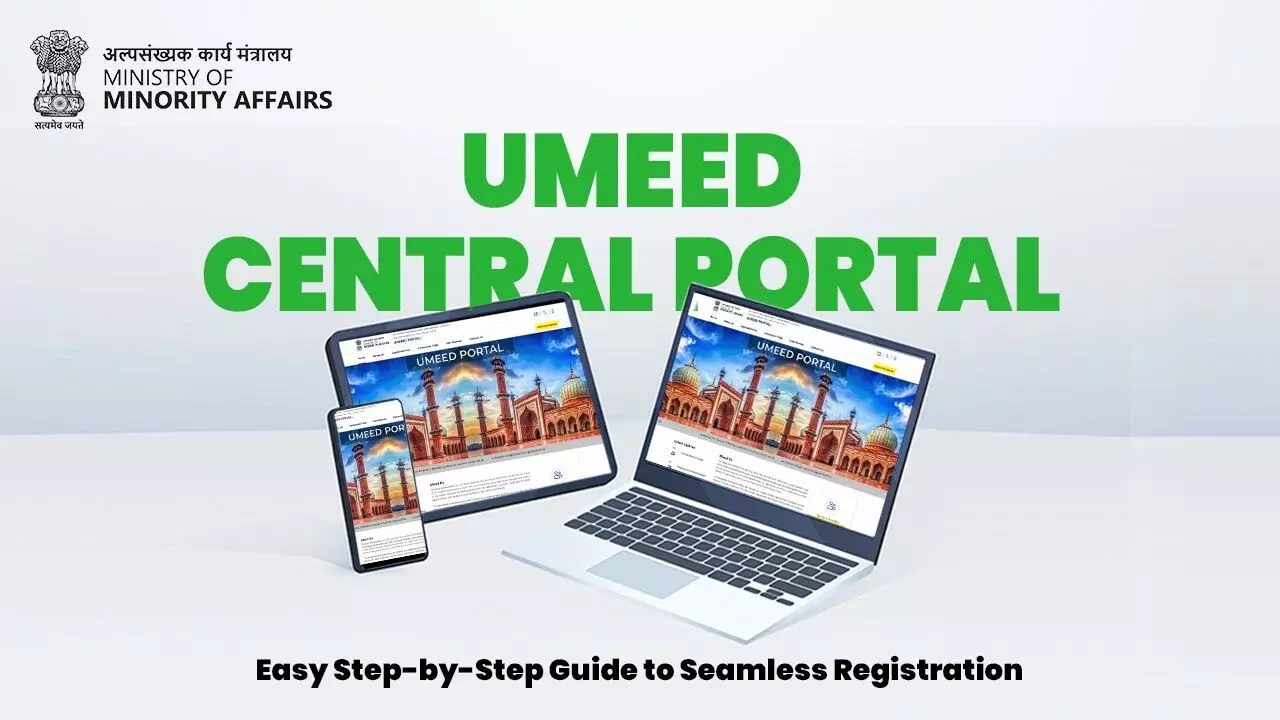
Representational Image
Hyderabad: Telangana Congress has urged the central government to extend the deadline for registering Wakf properties on the Unified Waqf Management, Empowerment, Efficiency and Development (UMEED) portal.
Zafar Javeed, senior vice president of the Telangana Pradesh Congress Committee (TPCC) and a Member of the AICC Political Advisory Board, highlighted that thousands of custodians (mutawallis) are being thwarted by technical failures and procedural complexity, making the current registration deadline "impractical."
“Even though people are trying, technical reasons like very slow server speed and the complicated steps involved in the registration process make it impossible to complete the registration on time,” Mr. Javeed stated. He warned that the failure of properties—which include essential community assets like Dargahs, Masjids, Ashoorkhanas, and educational institutions—to meet the cutoff would lead to widespread administrative chaos.
Background: The Aim of UMEED
The UMEED portal, launched by the Ministry of Minority Affairs on June 6, 2025, was conceived as a flagship initiative to bring unprecedented transparency and accountability to the management of Wakf assets nationwide. The goal is to create a comprehensive digital inventory by geo-tagging all Wakf properties, ensuring they are utilized effectively for charitable purposes, particularly benefiting vulnerable groups.
Under the provisions of the Waqf (Amendment) Act, 2025, all registered Wakf properties were mandated to be uploaded onto this central digital platform within six months of the Act's commencement, placing the final deadline in the first week of December.
The On-Ground Challenges
Despite the noble objective, the implementation has been beset by severe on-ground challenges, which Mr. Javeed's appeal underscores:
System Instability and Slow Speed: Property custodians report that the server system is extremely sluggish and frequently crashes, especially under heavy user load. This forces users to restart complex registration forms multiple times, often losing hours of progress.
Procedural Complexity: The portal requires uploading specific, often historic, documentation. Many Wakf institutions, some centuries old, lack easily accessible records like the original Deed or the clear identity of the Waqif (endower), making the mandatory data fields impossible to complete.
Non-Functional Grievance Channels: While the law allows applicants facing genuine difficulty to seek relief from the respective Waqf Tribunals, many of these tribunals across the country are currently non-functional or severely understaffed, creating a regulatory bottleneck.
Risk of Non-Compliance: Given the vast number of properties that need to be digitized—estimated in the lakhs—the poor compliance rate due to technical issues means a massive segment of community assets is at risk of being classified as 'disputed' or facing legal jeopardy post-deadline.
Calling the six-month window "far too short" for such a mammoth task, Javeed urged the Central Government to provide adequate, realistic time for properties to be registered properly with all necessary documentation.
He also broadened his appeal, calling upon the All India Muslim Personal Law Board (AIMPLB) to proactively take up the request with the Central Government. The AIMPLB’s involvement is seen as crucial to leveraging collective legal and organizational influence to facilitate a national extension of the registration date, ensuring that bonafide institutions are not penalized for technical shortcomings.


