Why is Telangana experiencing a cold wave?
In Hyderabad, the impact is milder compared to rural interiors, but residents have still reported colder-than-usual mornings, particularly in open and low-lying areas.
By - Newsmeter Network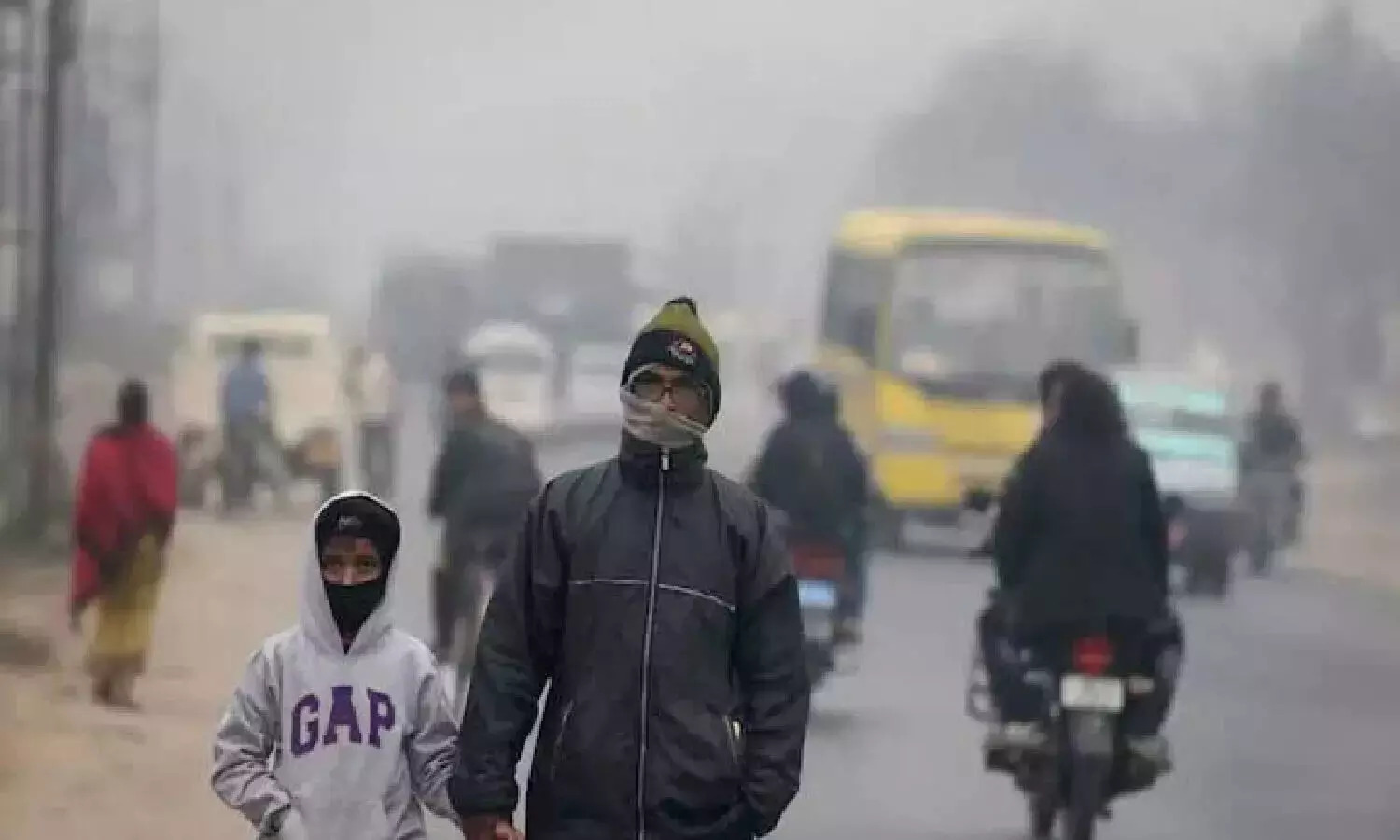
Hyderabad: Hyderabad and several districts across Telangana are experiencing unusually cold nights, with minimum temperatures consistently settling below seasonal averages.
While daytime temperatures remain relatively stable, the sharper fall is being observed after sunset and during early morning hours.
Temperatures 3°C to 4°C below normal
According to the India Meteorological Department (IMD), minimum temperatures in parts of north and central Telangana have dropped 3°C to 4°C below normal, prompting cold wave warnings in multiple districts.
In Hyderabad, the impact is milder compared to rural interiors, but residents have still reported colder-than-usual mornings, particularly in open and low-lying areas.
What exactly is a cold wave?
A cold wave is not defined by how cold it ‘feels’ but by how much temperatures deviate from what is normal for a region at a given time of year.
IMD considers cold wave conditions when:
• Minimum temperatures fall significantly below the climatological normal
• The departure is sharp enough to impact daily life and health, especially during the night and early morning hours.
In regions like Telangana, where winters are typically moderate, even single-digit minimums in rural areas or low-teen temperatures in cities like Hyderabad can qualify as a cold wave when the drop is abrupt and sustained.
Why is Telangana experiencing this cold spell?
1. Influx of cold, dry air
Meteorologists point to cold northerly and north-easterly winds moving into peninsular India from inland continental regions. These air masses are dry and colder, allowing surface temperatures to fall rapidly at night.
Meteorologist KS Sridhar, speaking to NewsMeter, explained, “When dry continental air moves southwards and dominates the lower atmosphere, it limits moisture and cloud formation, which directly contributes to lower night temperatures.”
2. Clear skies and nighttime heat loss
Clouds act as a thermal blanket at night. Over the past several days, clear skies have prevailed across Telangana, allowing the ground to lose heat rapidly after sunset through a process known as radiational cooling.
With little cloud cover to trap outgoing heat, temperatures near the surface drop faster, especially in areas with open land and minimal construction.
3. Seasonal winter pattern
December and early January mark the core winter period for the Deccan Plateau. During this phase:
• Solar heating during the day is weaker
• Nights are longer
• Atmospheric moisture is lower
These factors naturally favour colder nights, but the current cold wave is intensified due to persistent dry air and stable atmospheric conditions.
Why rural areas colder than Hyderabad city
While parts of Telangana have recorded near-single-digit minimums, Hyderabad city has been relatively warmer. This difference is attributed to the urban heat island effect.
Cities retain heat due to:
• Dense construction
• Asphalt and concrete surfaces
• Human activity and emissions
In contrast, rural districts with open fields and sparse construction cool down faster at night, making them more vulnerable during cold wave conditions.
Health and impact on daily living
Cold waves in regions unaccustomed to severe winter conditions often have a disproportionate impact.
Meteorologists and doctors caution that ‘Sudden drops in minimum temperatures are more stressful for the body than gradual seasonal cooling.’
Common concerns include:
• Increased respiratory discomfort
• Aggravation of asthma and joint pain
• Higher risk for the elderly and young children during early mornings
Morning fog or shallow mist may also develop in isolated pockets, affecting road visibility.
IMD forecast: What to expect next
IMD forecasts indicate that:
• Cold wave conditions are likely to continue for the next two to three days in several districts
• Minimum temperatures may remain 2°C–4°C below normal
• Weather will largely stay dry, with clear nights sustaining colder mornings
A gradual moderation in night temperatures is expected only when wind patterns shift or cloud cover increases.
Advisory for residents
General Public
• Wear adequate warm clothing during early morning and late evening hours
• Avoid prolonged exposure to cold, especially for children and senior citizens
Commuters
• Be cautious during early morning travel due to possible mist or reduced visibility
• Two-wheeler riders should take additional precautions against cold exposure
Vulnerable groups
• Elderly individuals and those with respiratory or cardiac conditions should avoid early morning outdoor activity
• Ensure warm indoor conditions during night hours
Conclusion
The ongoing cold wave in Hyderabad and Telangana is a result of dry northerly winds, clear skies, and seasonal winter dynamics.
While not unprecedented, the persistence and sharp deviation from normal temperatures have made this cold spell more noticeable. IMD continues to monitor the situation, and residents are advised to stay informed and take basic protective measures until temperatures stabilise.


