Pushing too hard at the gym? Experts warn of ‘cola urine', kidney failure risk
Dr Deepak Ragoori, Sr Consultant Urologist states that pushing the body beyond its limits, especially for beginners, can lead to a dangerous condition called Rhabdomyolysis.
By - Newsmeter Network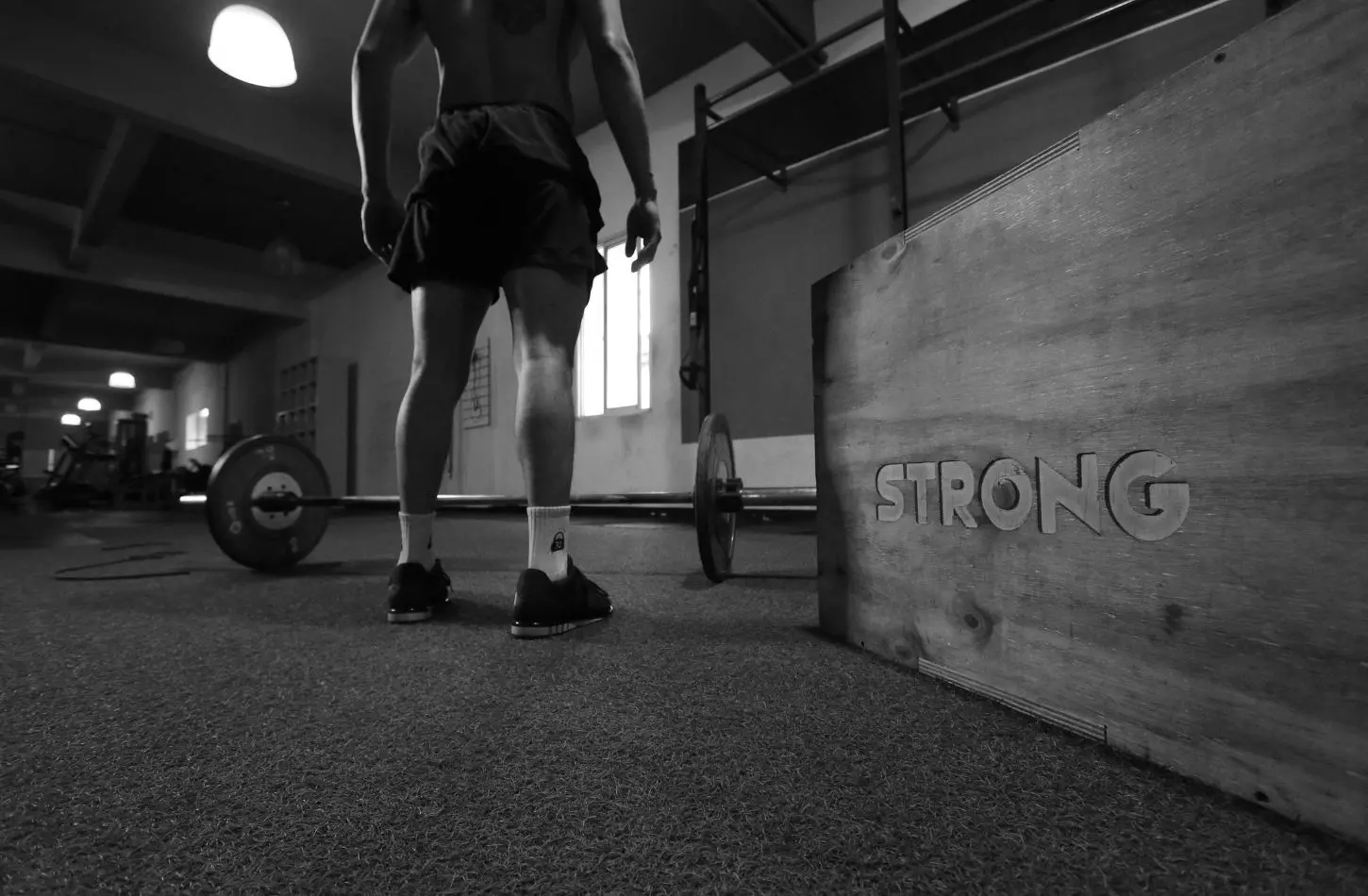
Representative Image
Hyderabad: The popular fitness mantra ‘no pain, no gain’ is coming under scrutiny as medical experts at the Asian Institute of Nephrology and Urology (AINU) issued a grave warning regarding extreme physical exertion.
The risk of Rhabdomyolysis
Dr Deepak Ragoori, Sr Consultant Urologist, Asian Institute of Nephrology and Urology, states that pushing the body beyond its limits, especially for beginners, can lead to a dangerous condition called Rhabdomyolysis, which can result in permanent kidney damage or death.
90 minutes of over-the-limit exertion is a possible cause
The warning follows a recent emergency case at AINU Hitec City involving a 25-year-old male.
To achieve ‘speedy results,’ the individual performed 90 minutes of high-intensity squats, deadlifts and push-ups on his very first day at the gym. Within days, he was admitted to the hospital in a critical state.
A few days after his initial workout, the patient noticed his urine had turned a dark, tea-like ‘cola’ colour. This symptom was accompanied by severe muscle stiffness, extreme fatigue and a significant drop in urine output.
What did the diagnosis show?
The clinical investigations revealed:
Critically high Creatinine Kinase: A clear indicator of massive muscle damage.
Myoglobinuria: The presence of muscle protein (myoglobin) in the urine.
Acute Kidney Injury: Rising renal parameters and dangerously high potassium levels.
What is Rhabdomyolysis?
Rhabdomyolysis occurs when unaccustomed or intense exercise, often exacerbated by dehydration, causes muscle fibres to rupture and die. When these fibres break down, they release a protein called myoglobin into the bloodstream.
The kidneys are responsible for filtering this blood, but myoglobin acts like ‘muscle debris,’ physically clogging the kidney tubules. This leads to acute kidney injury and, in severe cases, requires the patient to undergo emergency dialysis to survive.
Red flags gym-goers must not ignore
Experts urge fitness enthusiasts and beginners alike to watch for these five critical symptoms:
1. Cola or Tea-Coloured Urine: This is the hallmark sign that muscle breakdown is affecting the kidneys.
2. Severe Muscle Pain: Pain or swelling that feels significantly worse than typical ‘next-day’ soreness.
3. Extreme Fatigue: A sudden, overwhelming sense of weakness.
4. Reduced Urine Output: A sign that the kidneys are struggling to function.
5. Nausea or Vomiting: Often an early systemic sign of kidney distress.
Why this matters to you?
In an era of ‘transformation challenges’ and high-intensity interval training (HIIT), many people jump into gruelling routines without prior conditioning.
This case serves as a reminder that muscles are meant to be strengthened, not destroyed.
While the 25-year-old patient recovered due to aggressive hydration and coordinated care between urologists and nephrologists, delays in treatment often lead to chronic kidney disease.
The ‘Start Low, Go Slow’ rule
To stay fit without risking life-long health complications, AINU medical experts recommend:
Gradual Progression: Increase your workout intensity or weight by only 10–15% per week.
Hydration is Key: Drink plenty of fluids before, during, and after exercise to help the kidneys flush out toxins.
Prioritise Recovery: Allow rest days for muscle tissue to repair itself.
Listen to Your Body: Never use painkillers to mask severe workout pain; pain is the body’s way of signalling a breakdown.


