STAR strategy lowers anaemia prevalence by 29.6% in Telangana: ICMR-NIN study
The STAR strategy, evaluated through a cluster-randomised trial across 14 villages in rural Telangana, shifts the focus from facility-based care to the doorstep
By - Newsmeter Network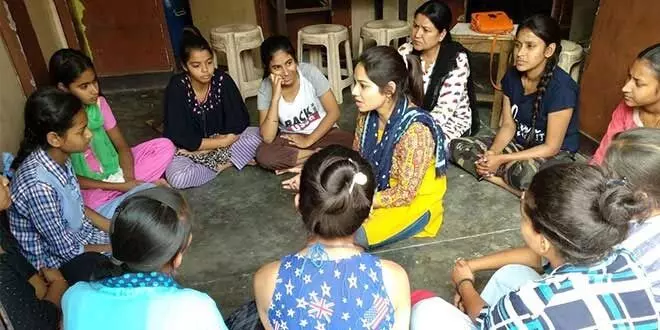
STAR strategy lowers anaemia prevalence by 29.6% in Telangana: ICMR-NIN study
Hyderabad: The prevalence of anaemia reduced in the ‘Screen and Treat for Anaemia Reduction’ (STAR) strategy (29.6 per cent) compared to the control group (32.5 per cent) according to a recent study by ICMR-National Institute of Nutrition (NIN) in Telangana.
The STAR strategy group had 6,131 participants, and the control group had 5,255 participants.
Fourteen villages in Telangana were the focus of this study. The STAR strategy effectively reduced anaemia, particularly among vulnerable groups like adolescent girls and women of reproductive age.
This intervention and its subsequent study were published in BMJ Global Health.
Community-first approach
The STAR strategy, evaluated through a cluster-randomised trial across 14 villages in rural Telangana, shifts the focus from facility-based care to the doorstep.
Unlike routine national programs, this approach involved active community-level screening for individuals aged 6 months to 50 years, followed by immediate, tailored iron-folic acid (IFA) supplementation based on their specific haemoglobin status.
Significant gains for women and girls
The trial, which included over 11,000 participants, demonstrated that integrating point-of-care testing with rapid diagnosis and education can lead to substantial health improvements.
Adolescent Girls: Saw the most significant impact, with adjusted haemoglobin gains of +1.03 g/dL.
Women of Reproductive Age: Experienced a notable increase of +0.39 g/dL in haemoglobin levels.
Lower Prevalence: Overall anaemia prevalence was lower in the STAR intervention group (29.6%) compared to the control group (32.5%).
Addressing the compliance gap
Despite the strategy’s success, researchers highlighted a critical challenge: modest compliance.
Only 32 per cent of those prescribed therapeutic doses and 47.5 per cent of those on prophylactic doses followed the regimen consistently.
Dr Bharati Kulkarni, Director of ICMR-NIN, emphasised that while the screen-and-treat model is feasible, intensified efforts in counselling and behaviour change communication are essential to improve adherence and maximise impact.
The road ahead
Integrating this structured screening into existing national programmes, such as Anaemia Mukt Bharat, could be a game-changer for India’s public health landscape.
By identifying and treating anaemia at the community level, researchers believe India can significantly boost its human capital through improved health and productivity.
“Overall anaemia prevalence was found to be significantly lower in the STAR intervention group (29.6% vs 32.5%). The impact was most pronounced among high-risk groups, especially among adolescent girls. The adjusted haemoglobin gains were substantial in adolescent girls (+1.03 g/dL) and women of reproductive age (+0.39 g/dL),” said Dr Raghu P, Scientist F, who co-led the study.
However, this study also highlighted some challenges. Despite an integrated behaviour change communication campaign, compliance with IFA supplementation was modest, with 32 per cent for therapeutic doses and 47.5 per cent for prophylactic doses, which likely limited the overall population-level impact.
“The findings confirm that a population-level screen-and-treat strategy for anaemia reduction is feasible and can address key gaps in identification and coverage of IFA supplementation. The study strongly underscores the need for intensified efforts to improve adherence through counselling, behaviour change communication and supportive follow-up mechanisms,” reiterated Dr Bharati Kulkarni.


