What is scrub typhus? doctors caution against ignoring this silent fever
Clinicians stress that early suspicion and timely antibiotics can be life-saving
By - Anoushka Caroline Williams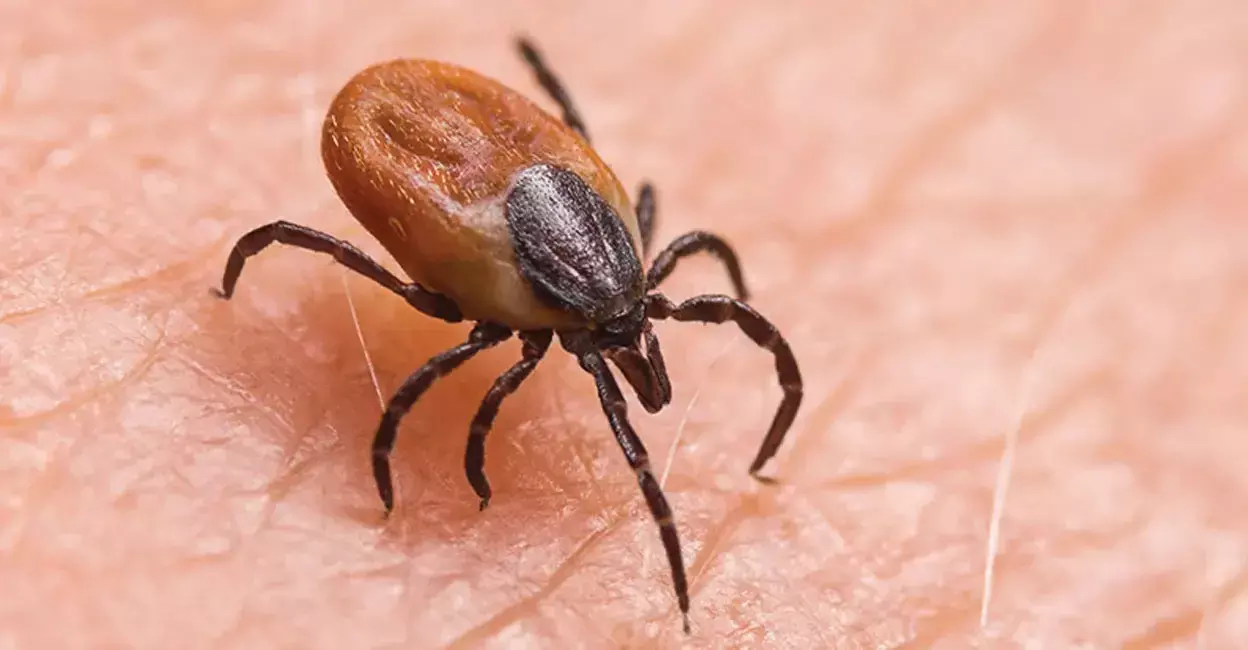
Hyderabad: Scrub typhus is re-emerging as a significant cause of prolonged fever across India, particularly during and after the monsoon. Despite being completely treatable, delayed diagnosis continues to push many patients into severe illness. Clinicians stress that early suspicion and timely antibiotics can be life-saving.
What Is scrub typhus?
Scrub typhus is an acute infectious disease caused by the bacterium Orientia tsutsugamushi. It is transmitted to humans through the bite of infected larval mites, commonly known as chiggers, which live on vegetation and small rodents in scrublands, farms, grasslands, and forest fringes.
People become infected while sitting, working, or walking through grass, bushes, or fields where these mites are present. The infection does not spread from person to person. In India, most cases are reported from rural and semi-urban regions within the so-called “tsutsugamushi triangle,” with a clear seasonal rise during and after the monsoon.
“Scrub typhus is not a rare disease anymore. It is present across large parts of India and must be actively considered whenever we see a persistent fever during the monsoon months,” says Dr. K. Krishna Prabhakar, Director, Department of Internal Medicine, Renova Century Hospitals, Banjara Hills, speaking to NewsMeter.
Early warning signs to watch for
Symptoms typically appear 6–14 days after the mite bite. The illness often begins abruptly with:
• High-grade fever
• Chills
• Severe headache
• Intense body or muscle pain
• Extreme fatigue that feels disproportionate to a routine viral fever
A key clinical clue is the presence of an eschar, a painless black scab at the site of the mite bite. Patients may also develop swollen lymph nodes and, in some cases, a red rash over the trunk.
“The black scab or eschar is a major red flag, especially in patients with recent field, village, or outdoor exposure. It may be small or hidden, but if found, it should never be ignored,” Dr. Prabhakar explains.
Why scrub typhus Is commonly missed
Scrub typhus is frequently misdiagnosed because its early symptoms closely resemble other common infections such as dengue, malaria, enteric fever, and nonspecific viral fevers. In many patients, the eschar may be absent, small, or located in hidden areas such as the groin, armpit, or under the breast.
Additional factors contributing to missed diagnosis include:
• Low awareness of rickettsial infections
• Limited access to specific diagnostic tests in peripheral health centres
• Empirical treatment of prolonged fever without revisiting the diagnosis
“During monsoon surges, multiple febrile illnesses circulate at the same time. Unless scrub typhus is consciously thought of, diagnosis is often delayed,” notes Dr. Prabhakar.
How severe can it become if treatment Is delayed?
Without timely treatment, the bacteria can damage blood vessels and spread to vital organs. This can result in serious complications such as:
• Pneumonia and acute respiratory distress syndrome (ARDS)
• Liver and kidney failure
• Shock
• Meningitis and encephalitis
Patients with advanced disease often require ICU care and ventilatory support.
“With early antibiotics, mortality is under two percent. But in untreated or late-treated cases, especially in severe clusters, mortality has been reported as high as 6 to 30 percent,” Dr. Prabhakar warns.
Diagnosis: Clinical suspicion Is key
Diagnosis relies on a combination of clinical assessment and laboratory testing. A history of outdoor exposure, persistent fever, and the presence of an eschar strongly point toward scrub typhus.
Confirmatory tests include:
• IgM ELISA for scrub typhus
• Rapid immunochromatographic tests
• PCR testing in selected advanced centres
“No test replaces clinical suspicion. If the disease is considered early, treatment should not be delayed while waiting for reports,” says Dr. Prabhakar.
Treatment and response
Scrub typhus responds well to appropriate antibiotics.
• Doxycycline is the drug of choice for most adults.
• Azithromycin is preferred in pregnancy and in some children.
Most patients show a dramatic response, with fever subsiding and overall well-being improving within 24 to 48 hours of starting correct treatment.
“The rapid response to antibiotics is striking. Patients who have been unwell for days often feel better within a day or two once therapy is started,” Dr. Prabhakar states.
Recovery and long-term outcomes
Patients treated early usually recover completely. Fever settles within a few days, while fatigue and weakness gradually improve over one to two weeks.
Those who develop severe organ involvement may require longer hospitalisation and rehabilitation. However, with appropriate intensive care and organ support, long-term complications are uncommon.
“Chronic disability is rare. Even patients with severe disease can recover well if they receive timely intensive care,” Dr. Prabhakar adds.
Who Is most at risk?
High-risk groups include:
• Farmers and agricultural workers
• Forest and plantation workers
• Children playing outdoors
• Military and field personnel
• Residents of rural and peri-urban areas with dense scrub or grass
Risk increases significantly during and soon after the monsoon season.
Prevention: Simple measures matter
There is no vaccine for scrub typhus, but preventive steps can reduce risk:
• Avoid sitting or lying directly on bare ground
• Wear full-sleeve clothing, long pants, and boots in outdoor areas
• Use insect or mite repellents on skin and clothing
• Keep grass and bushes around homes trimmed
• Seek medical care early for persistent fever, especially if a black scab is noticed
“Early medical attention for unexplained fever can prevent serious complications. Awareness is our strongest preventive tool,” Dr. Prabhakar concludes.


