EMotorad, Chittoor, KADA, IIT Kanpur set Guinness record for e-cycle deliveries in 24 hours
The record attempt was conducted in Kuppam, Andhra Pradesh, where electric bicycles were distributed continuously over a 24-hour window to registered beneficiaries.
By - Newsmeter Network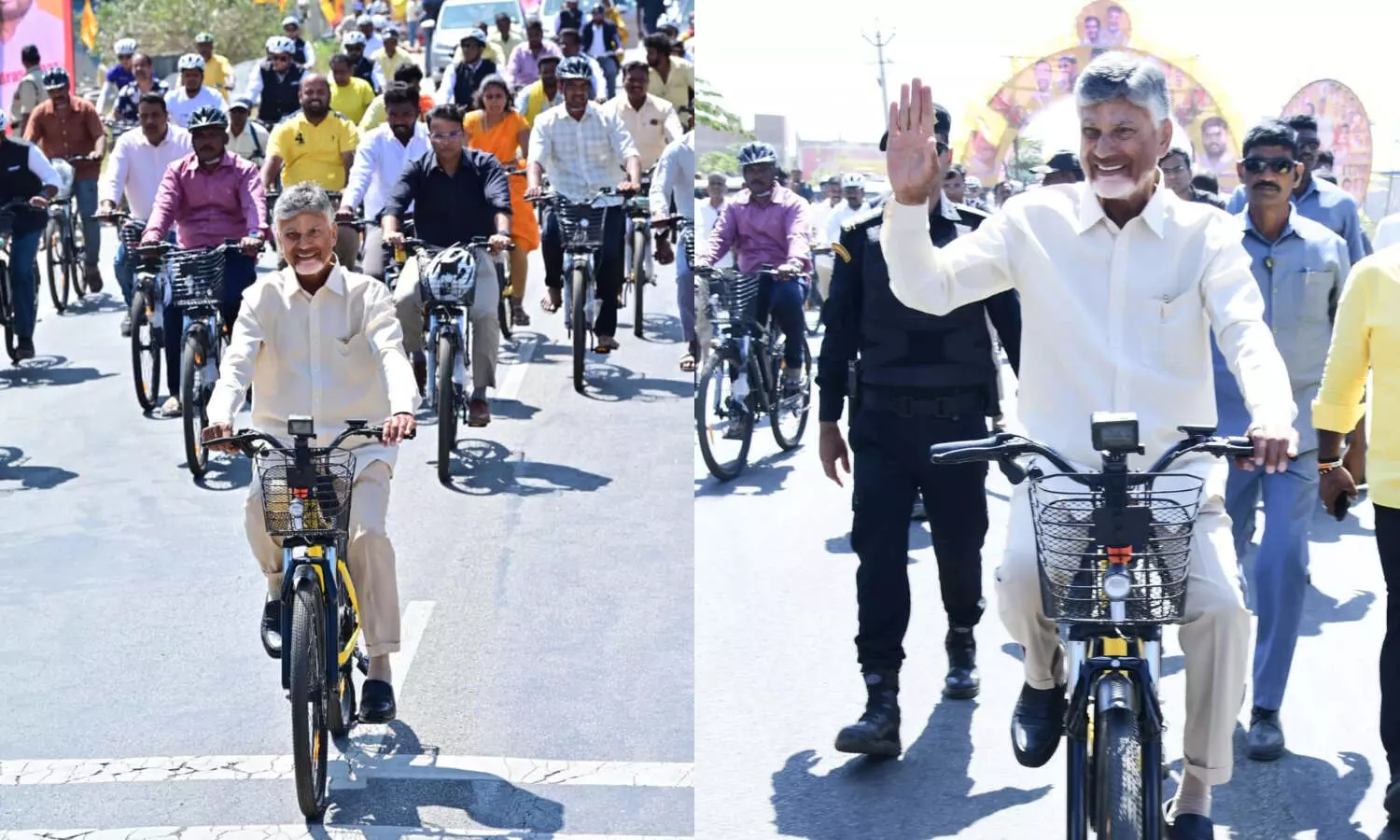
Hyderabad: On January 31, electric mobility company EMotorad, the District Collectorate of Chittoor, Kuppam Area Development Authority (KADA) and IIT Kanpur earned a Guinness World Records title in a newly created category for their attempt to deliver the largest number of electric bicycles within 24 hours.
EMotorad is based in Pune, Maharashtra. They have outlets in other cities, including Hyderabad.
Queues continued through the night
The record attempt was conducted in Kuppam, Andhra Pradesh, where electric bicycles were distributed continuously over a 24-hour window to registered beneficiaries.
According to organisers, queues continued through the night, with beneficiaries arriving as late as 4 am to collect their vehicles.
Over 10,000 families across Kuppam, Chittoor got e-bikes
The large-scale delivery was carried out under Andhra Pradesh Chief Minister Nara Chandrababu Naidu’s ‘Super Cycle’ initiative, which aims to improve last-mile mobility and access to affordable electric transport in the Kuppam and Chittoor regions.
More than 10,000 families across Kuppam and Chittoor district received electric bicycles through the program.
Beneficiaries included small traders, MSME operators, shop owners, milk sellers, cattle owners and workers whose livelihoods depend on daily commuting.
First personal vehicle for many recipients
Organisers stated that for many recipients, the electric cycle is their first personal vehicle, intended to reduce travel costs and increase mobility for work and household needs.
1,000 worked in the large-scale assembly operation
EMotorad said the cycles used for the record attempt were assembled within 72 hours before the distribution drive. The preparation involved over 1,000 team members working across logistics and assembly operations.
The delivery process was structured to run without interruption for the full 24-hour record window.
Working on more partnerships
Commenting on the initiative, Kunal Gupta, co-founder and CEO of EMotorad, said, “This is a model example of a high impact, high currency and high velocity public-private partnership. I am absolutely elated to have been able to do this with the District Collectorate of Chittoor and Kuppam Area Development Authority. Special thanks to KADA PD IAS Vikas Marmat and Chittoor District Collector, IAS Sumit Kumar.”
Aiming for the delivery of one lakh vehicles by November
Gupta added that similar partnerships are being discussed with other regional authorities.
“This is obviously just the beginning. We have at least 20 other EOI discussions lined up with other Nodal Authorities and Collectorates across India who see the value and impact of our product. The objective is to take this number to 1 lakh cycles delivered by November 2026.”
Guinness World Records confirmation
Swapnil Dangrikar, Senior Adjudicator, Guinness World Records, confirmed that the attempt created a new category.
“This was a record attempt for the largest electric bicycle delivery. This record has never happened before. So, this was a new category created. Congratulations to the EMotorad team, you’re officially amazing.”
Vehicle features and intended use
The electric cycles distributed under the program are built for daily commuting and short-distance transport. According to the company, key features include removable rechargeable batteries, pedal-assist modes, front suspension and mechanical disc brakes.
Organisers said the cycles are designed to keep running and maintenance costs low, making them suitable for routine work travel and local transport needs.


