Anti-depressant to blood sugar management: Here are health benefits of butterfly pea flower
Butterfly pea flower, a `Sanjeevani' herb that helps in reducing anxiety, improving skin health
By - Beyniaz Edulji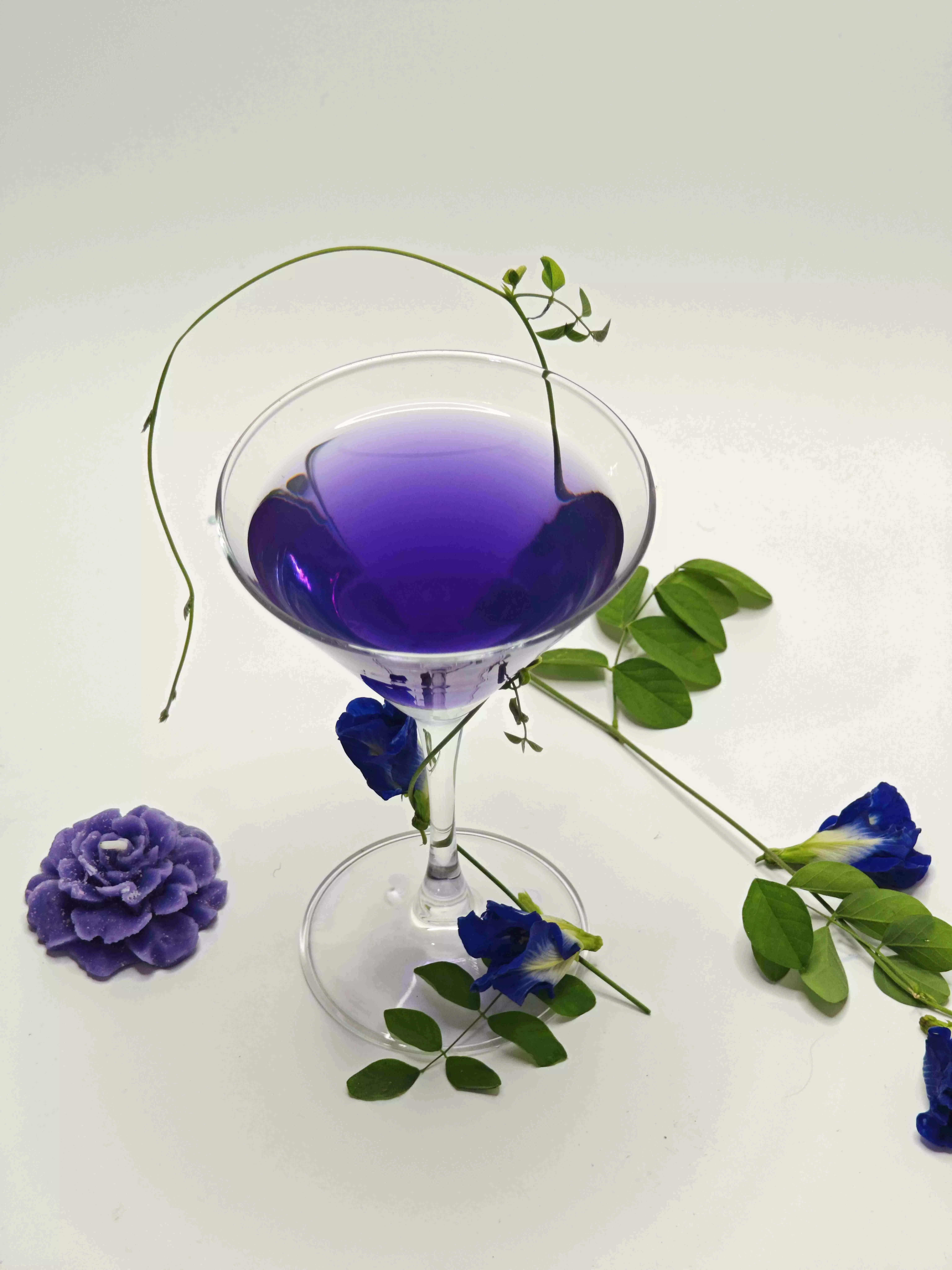
Butterfly pea flower: A `Sanjeevani' herb that helps in reducing anxiety, improving skin health
Hyderabad: The butterfly pea plant is a perennial herb, part of the Fabaceae family. This family also includes other well-known plants like beans, peas, and clovers. The butterfly pea has been an integral part of traditional Asian medicine, especially Ayurveda, for centuries.
The butterfly pea plant (Clitoriaternatea) originates from equatorial Asia, and is a native tropical vine used for centuries in traditional medicine (Ayurveda, Chinese, and Thai) and culinary coloring, known for its vibrant blue flowers that change color with acidity, making it popular in Southeast Asian teas and dishes. It spread globally from Asia and is valued for its edible pods, nitrogen-fixing properties, and ornamental beauty. It is also called Shankhpushpi, Blue Pea, Bluebellvine, Asian Pigeonwings, Darwin Pea, Conch Flower, and Blue Tea.
Origin and History
It is native to Southeast Asia, possibly originating on the Indonesian island of Ternate. It arrived in India around the 17th century, becoming known as Aparajita in Ayurvedic traditions. It later spread to Europe, Australia, the Americas, and Pacific islands, naturalizing throughout tropical and subtropical regions.
Many Uses
Culinary: Used to dye foods and drinks blue, famously in Thai namdokanchan (blue tea) and Malaysian nasi kerabu; its color-changing property with lemon juice creates purple hues.
Medicinal: Valued in traditional systems for potential memory, cognitive, and immune support.
Agricultural: A useful cover crop and forage legume, improving soil quality as a nitrogen-fixer.
One of the most common ways of using the Blue Pea Flower is to make an herbal infusion with its petals. This tea (blue tea or Butterfly pea flower tea) has become very popular over the years, especially in the wellness industry.
Color-Changing Characteristics
One of the most fascinating features of butterfly pea flower is its ability to change color when mixed with acidic ingredients like lemon or lime juice. The deep blue hue transforms into a mesmerizing purple, making it a visually appealing addition to beverages, cocktails, and desserts.
Blue Pea Flower Plant
The butterfly pea plant is a fast-growing, low-maintenance climber that can be easily grown in gardens, balconies, or even indoors. Plant the seeds in a well-draining potting mix, and then in about 9-12 days, you’ll see them sprout. It will take around 40 days for you to see some gorgeous blue flowers that won't just add value to your culinary adventures but also add a beautiful touch to your garden.
Plenty of Sunlight
Make sure that the butterfly pea flower gets at least 6–8 hours of direct sunlight daily for optimal growth. If you are growing these flowers indoors, you can place them near a sunny window.
Well-Draining Soil
Use a light, well-draining soil with good aeration.
Water Moderately
Water your plant regularly, but avoid overwatering. The soil should be slightly moist but not soggy. As a general rule of thumb, it is a good idea to get the top layer dry between watering.
Provide Support
Butterfly pea plants are fast-growing climbers, so it is important to provide them with a support structure to climb and spread naturally. This helps the plant grow stronger.
Regular Pruning
Trim dead or overgrown branches to promote new growth. This helps the plant to maintain its shape and keeps it from becoming too bushy.
Fertilizer
Use an organic Fertilizer to boost the flowering and overall health of the Butterfly Pea Flower.
Harvest Flowers Regularly
When you pick out the butterfly pea flowers regularly, it encourages continuous blooming. All you have to do is pluck fresh flowers and then dry them for tea or skincare.
Nutritional value
Butterfly pea flowers are rich in antioxidants, including anthocyanins, flavonoids, and phenolic compounds. They contain moderate amounts of vitamin C, some vitamin A in the form of carotenoids like beta-carotene, small amounts of iron, and calcium.
The flowers also provide minimal protein and a small amount of dietary fiber. Additionally, they contain flavonoids like kaempferol and quercetin, along with triterpenoids.
Top Health Benefits
Butterfly Pea Flower, also known as Clitoriaternatea, is more than just a vibrant blue herb—it’s a powerhouse of natural health benefits. Traditionally used in Ayurvedic and Southeast Asian medicine, Butterfly Pea Flower is gaining global attention for its impressive wellness properties.
From boosting brain function and reducing stress to enhancing skin health and supporting digestion, this herbal flower offers a wide range of benefits backed by both ancient wisdom and modern science.
Here are the top health benefits of Butterfly Pea Flower you should know about:
1. Butterfly Pea Flower Is Rich in Antioxidants
Butterfly pea flower is packed with anthocyanins, the compounds that give it its signature blue color. These antioxidants protect cells from oxidative stress, support skin health, and may slow signs of aging. Daily use can boost immunity and improve overall wellness.
2. Butterfly Pea Flower Supports Brain and Memory Function
Butterfly pea flower is traditionally used to improve mental clarity. Scientific studies suggest it may help enhance memory, focus, and cognitive performance by increasing acetylcholine levels in the brain.
3. Butterfly Pea Flower Helps Reduce Stress and Anxiety
Known for its calming effects, butterfly pea flower tea can help relieve anxiety and promote mental relaxation. It's a natural, caffeine-free way to unwind after a stressful day or before bedtime.
4. Butterfly Pea Flower Has Natural Anti-Inflammatory Properties
Chronic inflammation contributes to many diseases. Butterfly pea flower helps reduce inflammation naturally, making it beneficial for conditions like arthritis, bloating, or general discomfort.
5. Butterfly Pea Flower Improves Skin Health Naturally
Its anti-inflammatory and antioxidant compounds support a clearer, more even-toned complexion. Butterfly pea is also used in natural skincare for its ability to calm redness and promote healthy, glowing skin.
6. Butterfly Pea Flower Promotes Hair Growth and Scalp Health
Flavonoids in butterfly pea flowers may stimulate blood flow to the scalp, strengthening hair follicles and reducing hair thinning. It is often used in herbal hair treatments across Asia.
7. Butterfly Pea Flower May Support Eye Health
Thanks to its anthocyanin content, butterfly pea flower supports retinal health and may reduce eye strain, especially for those exposed to screens daily.
8. Butterfly Pea Flower Helps with Blood Sugar Regulation
Preliminary studies show that butterfly pea flowers may lower glucose absorption in the body, helping manage blood sugar spikes and supporting diabetes prevention.
9. Butterfly Pea Flower Aids in Digestion and Detox
Traditionally used as a mild diuretic and digestive aid, butterfly pea flower helps with bloating, flushing toxins, and supporting liver function.
10. Butterfly Pea Flower’s Color-Changing Magic
While not a health benefit, its ability to change from blue to purple when mixed with lemon makes it a fun, visual addition to drinks — perfect for wellness smoothies and herbal teas.
11. Butterfly Pea Flower Helps Regulate Blood Sugar Levels
Butterfly Pea Flower may help reduce glucose absorption in the gut, lowering post-meal blood sugar and insulin spikes. It shows potential as a supportive herb for blood sugar management.
12. Butterfly Pea Flower Boosts Brain Function
Butterfly Pea Flower can enhance memory, reduce stress, and improve mood. It supports acetylcholine activity, a neurotransmitter important for cognitive health and reducing symptoms of anxiety or Alzheimer’s.
13. Butterfly Pea Flower Aids in Weight Management
Acting as a natural diuretic and mild laxative, Butterfly Pea Flower supports detoxification, reduces water retention, and may help improve digestion—making it helpful for weight loss efforts.
14. Butterfly Pea Flower Supports Eye Health
Butterfly Pea Flower’s anthocyanins promote better blood flow to the eyes, reduce fatigue, and may protect against retinal damage caused by oxidative stress.
15. Butterfly Pea Flower Improves Respiratory Health
Traditionally used to relieve coughs and colds, Butterfly Pea Flower may reduce inflammation in the airways, helping manage asthma, bronchitis, and seasonal allergies.
16. Butterfly Pea Flower May Support Cardiovascular Health
Butterfly Pea Flower can help maintain heart health by improving circulation and reducing oxidative damage to blood vessels, potentially supporting healthy blood pressure and cholesterol levels.
17. Butterfly Pea Flower Supports Detox and Liver Health
Butterfly Pea Flower is a natural detoxifier that aids liver function by flushing out toxins and reducing inflammation in liver tissues, promoting better metabolic health.
18. Butterfly Pea Flower May Enhance Mood and Relaxation
Butterfly Pea Flower tea is often used as a calming drink to reduce anxiety and promote restful sleep, thanks to its mild sedative and adaptogenic properties.
Uses
1. Herbal Tea and Beverages
Butterfly Pea Flower is widely brewed as a caffeine-free herbal tea. It can be served hot or cold and often mixed with lemon or honey. Adding lemon juice changes its color from blue to purple, making it a fun and healthy drink.
2. Natural Food Coloring
Thanks to its vibrant pigment, Butterfly Pea Flower is used as a natural food coloring in smoothies, desserts, rice dishes, and cocktails—without any synthetic additives.
3. Skincare and Beauty Products
The flower’s antioxidant and anti-inflammatory properties make it a popular ingredient in facial masks, creams, and serums designed to brighten skin, calm redness, and improve complexion.
4. Hair Care Products
Butterfly Pea Flower extract is often added to shampoos and hair oils to support healthy hair growth, reduce dandruff, and prevent premature greying.
5. Traditional Medicine
In Ayurveda and traditional Thai medicine, Butterfly Pea Flower is used to improve memory, reduce stress, support digestion, and treat minor respiratory issues.
6. Supplements and Capsules
For those who prefer convenience, Butterfly Pea Flower is available in capsule or powder form to promote overall wellness, including mental clarity and immune support.
How to Consume
Butterfly Pea Flower is not only rich in health benefits but also incredibly easy to add to your daily routine. Whether you prefer sipping herbal tea or experimenting in the kitchen, here are some of the best ways to enjoy this vibrant blue flower:
1. Butterfly Pea Flower Tea
The most popular method is brewing the dried flowers into a soothing herbal tea. Just steep 5–
6 dried flowers in hot water for 5–10 minutes. Add lemon juice to see the magical color change from blue to purple.
2. Butterfly Pea Iced Drinks and Lattes
You can blend Butterfly Pea Flower tea with honey, coconut milk, or lime for refreshing iced drinks or colorful lattes. It's a healthy alternative to sugary beverages.
3. Smoothies and Detox Waters
Add brewed Butterfly Pea tea to your smoothies or detox water for a nutritional boost and a splash of color. It pairs well with ingredients like cucumber, mint, and citrus fruits.
4. Baking and Cooking
Use Butterfly Pea Flower powder to color rice, noodles, or baked goods naturally. It’s a fun, chemical-free way to make your dishes visually appealing.
5. Capsules or Powder Supplements
For convenience, Butterfly Pea Flower is available in supplement form. These can be added to your routine if you’re looking for a consistent dose of antioxidants and wellness support.
6. Infused Ice Cubes
Freeze the brewed tea into ice cubes and add them to water, lemonade, or cocktails. As they melt, they release beautiful color and subtle flavor.
Butterfly pea flower tea
Boil water and let it cool slightly.
Place 1-2 teaspoons of dried butterfly pea flowers in a teapot or mug.
Pour the hot water over the flowers.
Let it steep for 5-10 minutes, depending on how strong you want the color and flavor.
Strain the tea to remove the flowers. Enjoy the vibrant blue tea as is or add a squeeze of lemon or honey for extra flavor.
New commercial crop in India
Until recently, Thailand and Indonesia had been the leading growers and consumers of butterfly pea flowers. But there's growing global demand for the flower, which is attracting entrepreneurs in India. The global demand for natural colourants is increasing. Behind that demand is consumer appetite for natural ingredients and tighter controls in the US and Europe on synthetic food dyes. In 2021, the US Food and Drug Administration (FDA) approved butterfly pea flower as a food additive. Indian entrepreneurs see its potential and want to develop India's market.
Farmers in UP and Uttarakhand have started growing this creeper commercially. Many have switched from growing rice and vegetables to growing this blue flower. Plucking the flowers is a key part of the process. It's a job that is predominantly done by women. Once harvested, the flowers have to be dried, which also has to be done with care. Temperature control is extremely important for drying this flower. For some Indian communities, the flower has made a real impact, and more farmers across India are planting this easy-to-grow vine.


