Galapagos Islands: Tortoises as ecosystem engineers
The Floreana species went extinct in the 1800s. However, researchers discovered hybrids with strong Floreana ancestry on Wolf Volcano. A breeding program launched in 2017 has produced over 400 offspring, with releases starting in 2026 to restore the island's lost ecosystem.
By - Beyniaz Edulji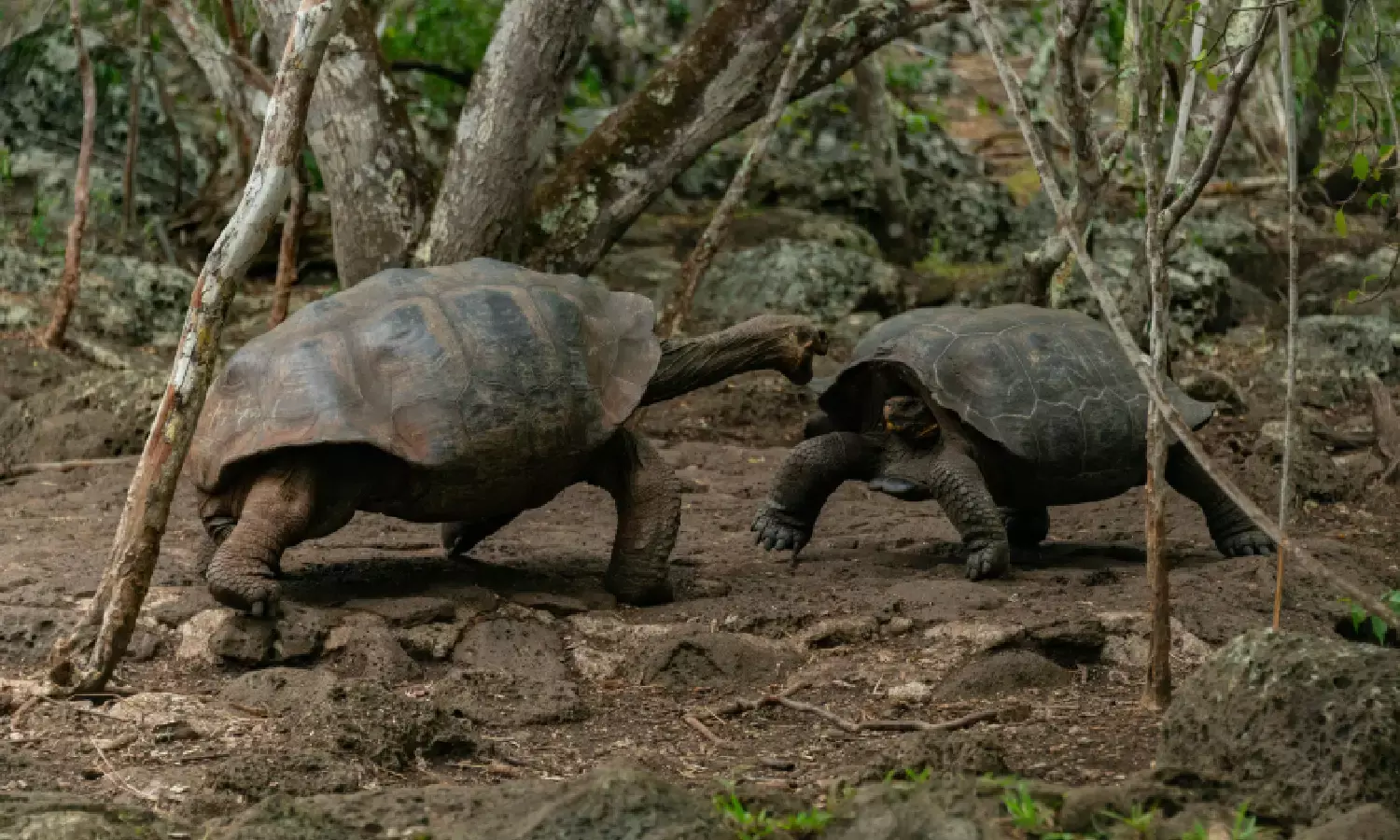
The Galapagos Islands are a volcanic archipelago in the eastern Pacific Ocean, situated directly on the equator about 600 miles (1,000 km) west of Ecuador in South America.
Rewilding Galapagos giant tortoises is one of the world's most successful, large-scale endangered species recovery efforts, aimed at restoring the islands' ecosystems by reintroducing "ecosystem engineers." Through decades of captive breeding and the eradication of invasive species, populations have grown from the brink of extinction to thousands, with specific initiatives focusing on returning tortoises to islands where they were once wiped out.
Success Stories
Española Island:
In the 1960s, only 15 individuals (12 female, 3 male) remained. A 50-year breeding program, which included the famous tortoise "Diego," produced over 2,000 offspring. In 2020, the original 15 and their descendants were released, and the population is now self-sustaining.
Pinzón Island:
Following the eradication of invasive black rats in 2012, which were eating all hatchlings, over 1,000 captive-reared tortoises were returned. For the first time in over 100 years, wild-born tortoises are now surviving on the island.
Floreana Island:
The Floreana species went extinct in the 1800s. However, researchers discovered hybrids with strong Floreana ancestry on Wolf Volcano. A breeding program launched in 2017 has produced over 400 offspring, with releases starting in 2026 to restore the island's lost ecosystem.
Santa Fe Island:
Over 400 juvenile tortoises were released between 2015 and 2017 to replace a species that went extinct over 150 years ago.
The Role of Tortoises as Ecosystem Engineers.
Rewilding is not just about increasing numbers, but restoring ecological function.
Vegetation Management
Tortoises eat woody plants and create trails, preventing native vegetation from being completely overgrown, which helps maintain the natural, open habitat.
Seed Dispersal
They are crucial for dispersing seeds of native plants, including the Opuntia cactus.
Waved Albatross Conservation
On Española, tortoises are essential to the Waved Albatross (a critically endangered species) because they maintain open, shrub-free areas necessary for the birds to land and take flight.
Future Challenges and Strategies
Climate Change
Increased temperatures affect the sex ratio of hatchlings (higher temperatures produce more females) and threaten to restrict tortoise movements and habitat availability.
Invasive Species
Despite success stories, invasive fire ants, pigs, and rats still pose risks to eggs and hatchlings in certain areas.
Invasive Plants
Non-native plants like blackberry and guava create impenetrable thickets, requiring constant management.
Hybridization
Genetic research is being used to find the most appropriate "analog" species to restore islands, using hybrid descendants to bring back the ecological functions of extinct, purebred species.
The Initiative Galápagos (formerly called the Giant Tortoise Restoration Initiative) continues to work with the Galapagos National Park Directorate to move beyond just breeding, focusing on landscape-scale restoration to allow tortoises to roam free throughout the archipelago.


