Anthurium: All you want to know about Hyderabad’s house plants
The genus consists of around 1,000 perennial plants native to Central America, northern South America, and the Caribbean
By - Beyniaz Edulji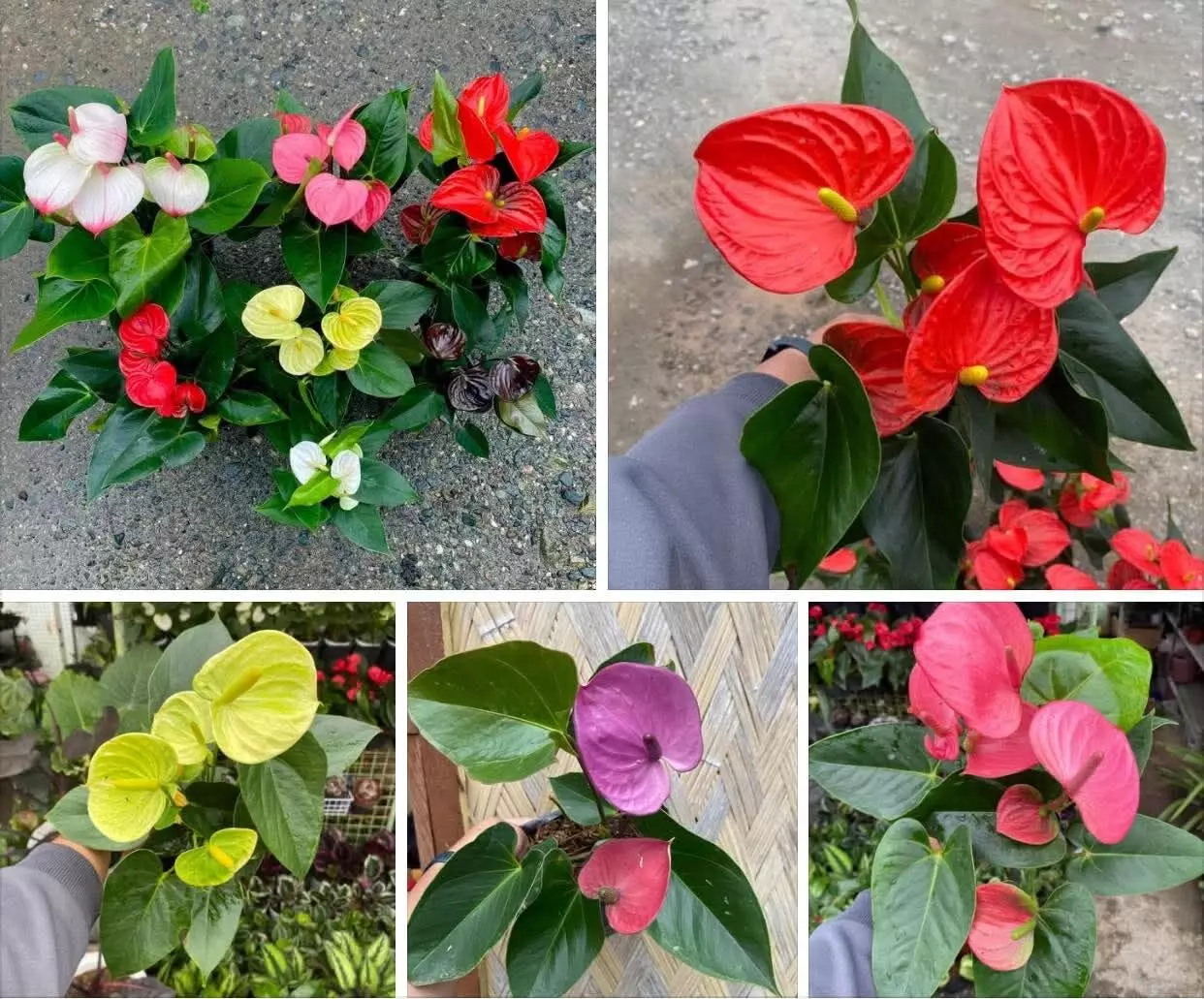
Anthurium: All you want to know about Hyderabad’s house plants
Hyderabad: Anthurium flowers and plants are the most popular for gifting. Available at florists and nurseries, they grow well in Hyderabad. Anthuriums, also called flamingo flowers, are known for their bright pink, red, mauve, and white colors.
The genus consists of around 1,000 perennial plants native to Central America, northern South America, and the Caribbean. Though they can easily be grown outdoors in tropical climates, they are more often kept as houseplants.
Anthurium can bloom repeatedly for long periods; its varieties are distinctive, with heart-shaped, waxy spathes (modified leaves around the flower) and red or yellow spikes. Growth rate is slow or moderate and dependent on ample light, but susceptible to sunburn. Many anthuriums are climbers, and all need high humidity and warmth to thrive. Plant in a well-draining pot.
Place anthurium in a warm, brightly lit room but out of direct light. An area with high humidity, such as a bathroom, is a good choice. Allow the anthurium's soil to dry out between waterings.
Feed weekly during the growing season with a diluted liquid houseplant fertilizer. Provide a stake or small trellis to support plants with aerial roots.
Light
Anthuriums prefer sun over shade, but too much direct light can scorch the leaves. Inadequate light causes poor growth and few flowers. The ideal location for your plant provides six hours of bright, indirect sunlight daily.
Soil
Potting material needs to be coarse and drain well to provide adequate air circulation around the roots. Mosses, cocoa coir, or a 50-50 combination of orchid and houseplant potting medium make a good mix. You can also add sand and peat moss to the orchid mix for a coarse, well-draining soil.
Water
Keep soil slightly moist and never allow it to dry out completely. Water indoor plants about once a week or when the top of the soil is dry to the touch. Water your plant until it runs from the pot's drainage hole,s but do not leave it to sit in water as anthuriums are vulnerable to root rot. Grown outdoors, plants may need water every two to three days.
Temperature and Humidity
All species are native to the tropics and prefer high humidity. In dry climates or during dry winter months, set it on a pebble tray to keep humidity levels high. You may find it necessary to run a humidifier constantly during dry months.
Fertilizer
Feed a high-phosphorus liquid fertilizer throughout the growing period. Dilute to 1/4 strength and feed every week. Phosphorus-rich fertilizer encourages your anthurium to flower.
Dusting
Besides watering, the care task your anthurium will need most often is dusting because it interferes with photosynthesis. Use a microfiber cloth to gently wipe the leaves clean.
Types of Anthurium
A. andreanum: Common species; heart-shaped leaves that grow a little over 1 foot with red, white, pink, and variegated flowers; distinguished by a straight flower spike.
A. scherzerianum: Common species; most forgiving of anthuriums, features a curling orange flower spike and arrow-shaped leaves.
A. crystallinum: Less common species; deep green, velvety leaves with pronounced white ribs; leaves grow around 2 feet across.
A. faustomirandae: Less common species; monster-sized plant with cardboard-stiff leaves, grows over 5 feet.
Pruning
Remove older leaves and flowers as they fade and die back. Pinch them off at the base or use an apruner to cut them from the main stem. Pruning to shape your plant can be done any time during the year. Remove extra tall stems and any that grow at odd angles. Always leave at least three to four leaves on the plant. Damaged leaves can be partially removed with the bad parts cut out. If your plant has just a few leaves, it's better to keep a partial leaf until a new one grows.
Propagating Anthurium
Anthuriums are propagated using side shoots or pups and stem cuttings, though side shoots are the fastest and safest method.
Potting and Repotting Anthurium
Re-pot your anthurium every two years or so. Transfer the plant to a pot that is no more than two inches larger than the old one in diameter. Pots made of plastic, ceramic, and terracotta are all good choices. Keep in mind that terracotta tends to dry out more quickly than plastic and ceramic. To re-pot an anthurium, fill the new pot with about 1/3 potting mix, then set the plant onto the soil and lightly pack additional soil around the base, up to the level the plant was buried in its old pot.
Common Pests
These plants are subject to the same pests that commonly affect most houseplants: mealybugs, spider mites, whiteflies, and scale. Aphids leave distorted, mottled leaves over time. Ants are also a sign of aphid infestation and feed on the aphid's sticky residue.
Spider mites, thrips, and mealybugs also feed on new growth, causing yellow stippling and mottled leaves. Stubborn insects may respond to horticultural soap or oil sprays, which are natural and don't harm the plant.
Water Solution
You can often control insects naturally with blasts of water, which dislodge and drown the pests. Place the plant in the sink and spray the leaves clean.
How to Get Anthurium to Bloom
Anthuriums are picky, but their uniquely beautiful flowers make them worth the extra effort. Anthuriums grown indoors in ideal conditions often bloom all year round. Each anthurium flower lasts between two and three months.
Deadheading Anthurium Flowers
Leave anthurium flowers on the stems until they start to turn brown. Then use a sharp, sterile cutting tool to remove the entire flower spike where it emerges from the main stem.
Yellowing Leaves
Too much direct sunlight may cause anthurium leaves to turn yellow. Bleached and brown tips also indicate too much light. Move the plant a little further away from the window.


