Basant in bloom: A 750-year-old Sufi tradition that unites Hyderabad through music and oneness
Sufi Basant Festival, organized by the Telangana Arts and Cultural Council, will be held in Hyderabad on January 23 from 6.30 pm onwards. Entry is free
By - Beyniaz Edulji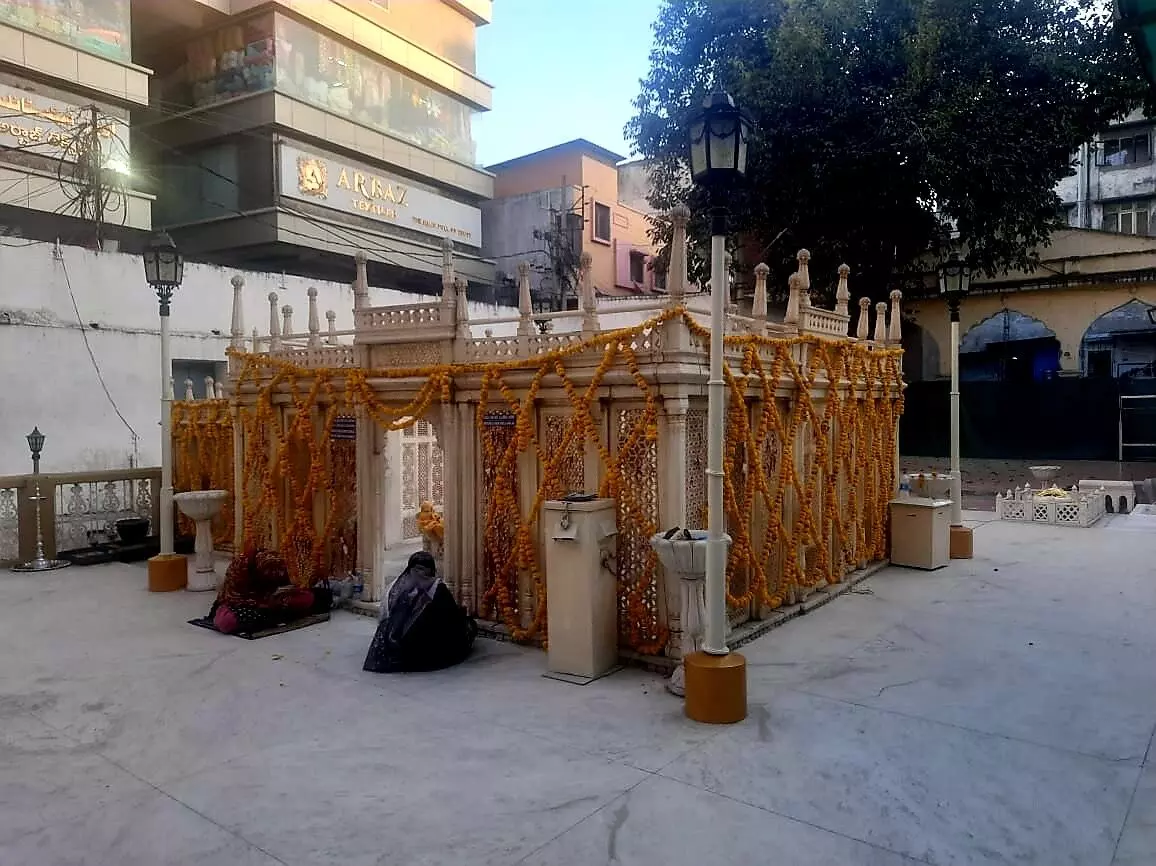
Hyderabad: Basant Panchami will be observed at Hyderabad’s Hazrath Shaikhji Hali Dargah, behind Pathergatti on Friday 23rd January, with qawwali, poetry and yellow flowers. Rooted in Sufi tradition, the 750-year-old celebration recalls Amir Khusrau’s legacy and highlights India’s long history of shared cultural and spiritual spaces. Now in its eighth edition (with a break during the pandemic), it has become a fixture on Hyderabad’s cultural calendar. It connects people through music and draws a diverse audience, from the general public to bureaucrats, diplomats and ministers. People of all faiths come together to celebrate music and oneness, and to experience the Sufi teachings. The audience will belong to multiple faiths, all coming together to immerse themselves in music.
Sufi Basant Festival, organized by the Telangana Arts and Cultural Council, will be held in Hyderabad on January 23 from 6.30 pm onwards. Entry is free.
Musical treat
The evening will open with a sarangi–sitar jugalbandi by Mohammed Aslam Khan and Sai Santhosh, accompanied by Amit Bhushan on the tabla and Sai Harsha on the clapbox. This will be followed by a semi-classical vocal recital by Bhushan, with Aslam Khan on sarangi and Amit Bhushan on tabla. The program will culminate in spring-themed qawwalis by the Warsi Brothers and Shabaz Ali Khan.
For lovers of music and poetry
In Hyderabad, the All India Markazi Majlis-e-Chistia is preparing to observe Basant Panchami on January 23. Lovers of poetry and music are in for a rare treat at the Mehfil-e-Nizami (qawwali) to be held on Friday evening. The gathering will feature timeless compositions by the legendary poet and mystic, Amir Khusrau, whose verses continue to resonate across centuries. Iconic sufiyana lyrics, manaqabats and ghazals will be rendered on the occasion, with special emphasis on Khusrau’s much-loved Hindavi kalam.
Unusual celebration of Spring
The very idea of celebrating Basant Panchami at a Sufi dargah may be unusual, and even strange. But every spring, Hyderabad’s Hazrath Shaikhji Hali Dargah in the old city comes alive with soulful Sufi music and is decorated with yellow, mustard and marigold flowers which are the colours of spring. A similar scene also unfolds at the shrine of Hazrath Nizamuddin Auliya in Delhi, a reminder of India’s deep-rooted tradition of shared cultural spaces.
The observance every year marking the arrival of spring, is a secular expression. Though Basant Panchami is essentially a Hindu festival, it was embraced by certain Sufi traditions as early as the 12th century. The Chishti order, in particular, adopted the celebration to honour the revered Sufi saint Hazrath Nizamuddin Auliya, and the practice has taken place ever since.
Amir Khusrau
Amir Khusrau stands as a luminous symbol of the confluence of two great civilisations, Hindu and Islamic, both entwined. He is revered not only for shaping the qawwali tradition but also for enriching Indian music and vernacular literature through his Hindavi compositions.
Legend
There is a legend behind the Chishti order’s association with the Basant festival. Hazrath Nizamuddin Auliya, it is said, was once devastated by the sudden death of his young nephew, Taqiuddin Nooh. Overwhelmed by grief, the saint withdrew into solitude for several days. Amir Khusrau, his devoted disciple, could not bear to see his pir in such anguish and sought a way to lift his spirits.
Spring colours bring joy
One morning, Khusrau noticed Hindu women dressed in bright spring colours, singing as they carried flowers to a temple to mark Basant Panchami. On enquiring, he learnt that floral offerings were believed to bring joy to the deity. Inspired, Khusrau decided to make a similar offering to his pir. Disguised in spring attire and carrying mustard flowers, he approached Hazrath Nizamuddin Auliya, singing joyfully. The saint recognised Khusrau at once and smiled. To celebrate that moment of happiness, Khusrau and fellow devotees began singing Persian and Hindavi verses in praise of spring, giving birth to a tradition that continues to this day.
“Such celebrations integrate humanity and create atmosphere of oneness, peace and amity,” says Muzaffar Ali Soofi, Sajjada Nasheen of Dargah Hazrath Shaikhji Hali.
Dress code
In keeping with the spirit of the season, the dargah is adorned with marigold flowers, and attendees will wear yellow coloured kurta, sherwani, pagri, cap, headband, scarf, saree or salwar-khameez and dupatta. The ambience, steeped in devotion and music, reflects a shared cultural memory that overcomes all boundaries.
Amir Khusrau’s sufiana poetry has enriched over the centuries.
In the yellow glow of Basant Panchami, Sufi shrines once again remind us that India’s spiritual heritage has always flourished in harmony, dialogue and shared celebration.


