Hollyhocks: How to take care of hardy plants in Hyderabad
Hollyhocks grow 3 to 8 feet tall on a single stem, with single or double flowers that bloom from the bottom up.
By - Beyniaz Edulji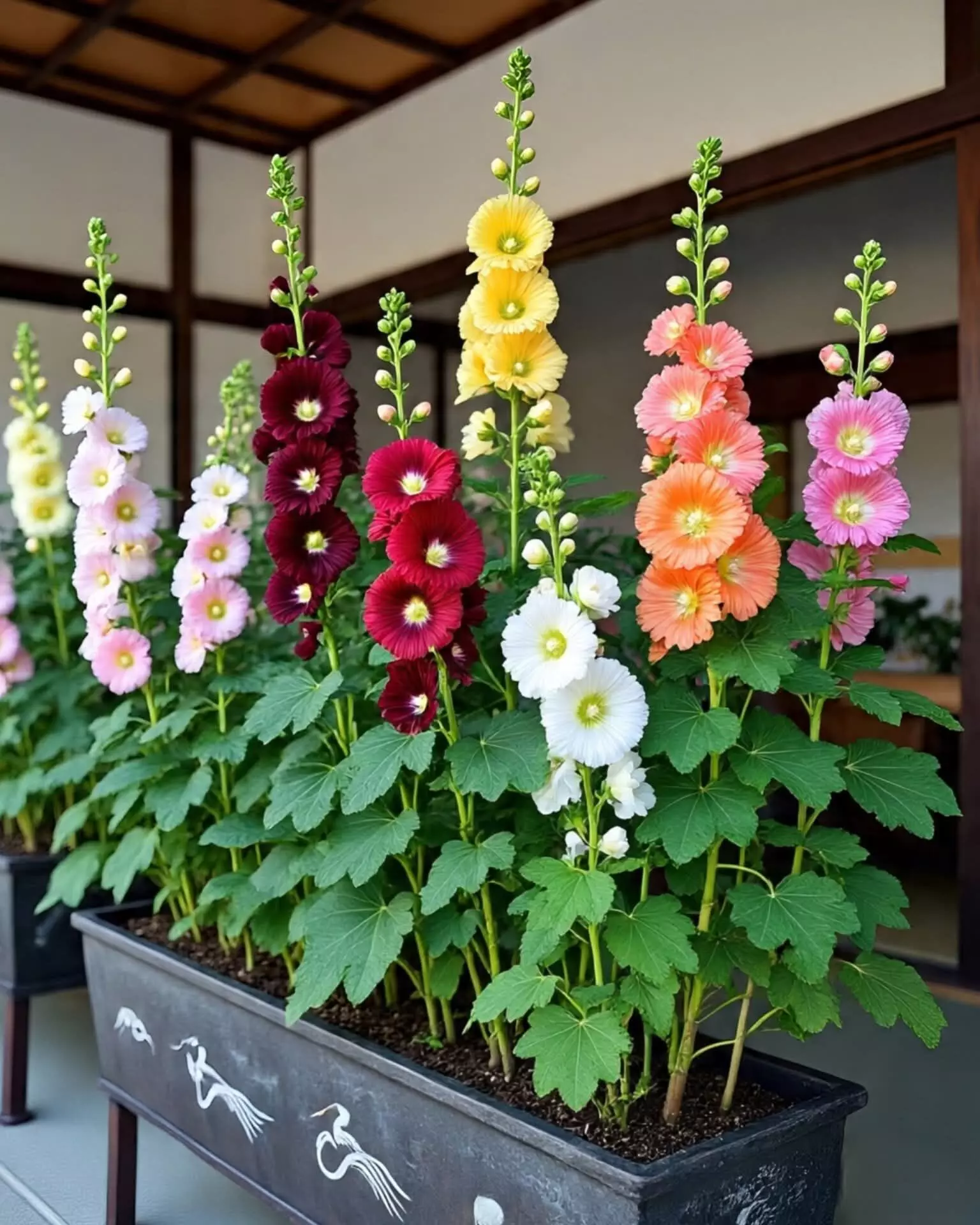
Hyderabad: Old-time favorites in cottage gardens, hollyhocks have multiple large blooms that grow on a single tall stem. They are long-blooming plants and grow very easily in Hyderabad.
Hollyhocks grow 3 to 8 feet tall on a single stem, with single or double flowers that bloom from the bottom up. Butterflies, bees, and birds love these colorful blooms.
Hollyhocks are easy-to-grow, tall biennials or short-lived perennials that thrive in full sun (at least 6 hours) and well-drained, fertile soil. They require regular watering, especially during dry spells, and often need staking due to their height. They are hardy plants, bloom profusely, but are susceptible to rust, and require good air circulation.
Care for hollyhocks
Light:
Full sun is essential for robust growth and, in hotter climates, some afternoon shade can help blooms last longer.
Soil and Planting:
Plant in well-drained, nutrient-rich, neutral-to-acidic soil. Space plants 18 to 24 inches apart to promote air circulation and prevent rust.
Watering:
Keep young plants consistently moist. Once established, they are somewhat drought-tolerant but need regular, deep watering at the base to avoid moisture-related diseases like rust.
Support:
Due to their height (up to 8 feet), stake them or plant them against a wall or fence for protection against wind.
Feeding and Mulching:
Apply a balanced fertilizer in spring. Use organic mulch to retain moisture and suppress weeds.
Maintenance:
Deadhead flowers to encourage more blooms. Cut stalks down to about 12 inches after flowering to encourage a strong return next year.
Pest Control:
Watch for aphids, spider mites, and hollyhock weevils, which may require organic insecticides or removal of infected, rusted leaves.
Propagation:
Hollyhocks readily self-seed; collect the seed pods when brown to plant for the following year.
About Hollyhocks
Most of the old-fashioned types (Alcea rosea) are biennial: They produce foliage in the first year, then flower and self-seed before dying in the second. Once established, the plants perform like perennials, setting seed year after year. Due to their self-seeding properties, they may appear to spread, but, in actuality, they do not spread at all. Some newer varieties are considered perennial, and they will bloom the first year and return year after year.
Origin
Although hollyhocks originated in Asia, their name may have originated during the “holy” religious Crusades (1095–1291), when an anti-inflammatory salve from the plants was used to heal horses’ legs or hocks. In addition to their medicinal properties, hollyhocks are safe for human consumption and are not poisonous to dogs.
Planting
Hollyhocks prefer a sunny garden bed with full sun; they’ll manage in partial shade, though they should get at least 6 hours of sun. The more sunlight, the more flowers! Generally speaking, hollyhocks will not thrive in the shade.
The plants are not fussy about soil, but they produce the best results in rich, well-draining, but moisture-retaining soil. Mix in compost, aged manure, or leaf mold before planting, and select a sheltered location.
How to Plant Seeds
Sow groups of two or three seeds 2 to 3 feet apart.
Press seeds into the soil and cover lightly; sunlight aids germination. Transplant outdoors when they are a few inches high.
When transplanting seedlings or mature potted plants, minimize disturbance to the roots.
For a stunning display, plant in groups of 8 to 12 plants along a fence or wall, in which case, staking is seldom needed. Water well.
Growing
Hollyhocks require very little attention during the growing season. Fertilize the flowers one or two times in a season with a 10-10-10 or soluble fertilizer. In order to keep the flowers standing tall, stake the plant if it is not grown against a backing such as a fence or a wall. Soak the soil around the plants regularly to ensure that they are receiving enough water to thrive.
Collect seeds
As the hollyhocks bloom, you will want to remove the faded flowers to encourage more buds to open. If you are collecting seeds, after petals fall, look for brown seedpods that contain flat, blackish seeds that you can replant.
Varieties
All hollyhocks are beautiful and make a stunning addition to your garden. Here are some favourite varieties:
Alcea rosea ‘Radiant Rose’: large, pink, single flowers in the first year when started early; 5 to 6 feet tall; a true perennial; hardy plant.
Summer Carnival series: showy, long-lasting, double flowers in the first year from seed; pink, red, yellow, or white; 4 to 5 feet tall.
‘Powder Puffs’ mix: dense, 3- to 4-inch double flowers in shades of pink, red, white, yellow, and purple; 6 to 8 feet tall; hardy; reseeds vigorously.
‘Spring Celebrities’, ‘Queeny’, ‘Majorette’ mixes: double blooms in bright colors; about 3 feet tall; perfect for smaller gardens or containers.
Harvesting
Hollyhock spires are lovely additions to floral arrangements. Cut the stems for arrangements when one-third of the florets are open. Vase life is 7 to 10 days; you can remove the faded flowers to allow the buds higher on the stem to open.


