Kalanchoe gains popularity as low maintenance, beginner-friendly flowering plant
Kalanchoe is a beginner-friendly flowering houseplant that thrives with minimal care
By - Beyniaz Edulji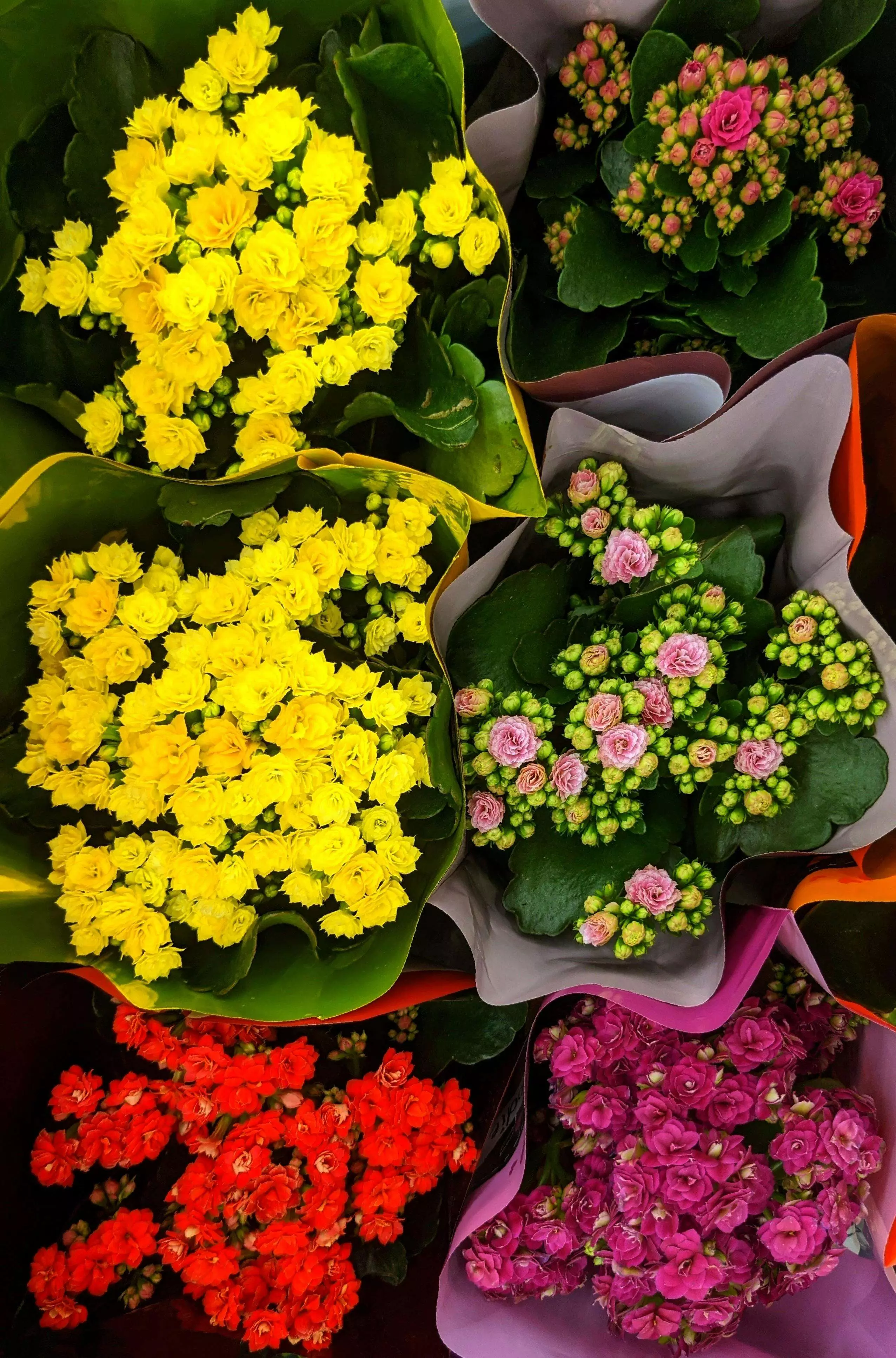
Kalanchoe is a beginner-friendly flowering houseplant that thrives with minimal care
Hyderabad: Locally available Kalanchoe is a flowering variety that brings a burst of colour to your garden or balcony, producing long-lasting blooms that require next to no care. This month’s nursery mela witnessed good sales of this plant, with visitors carrying away multiple kalanchoe plants to adorn their homes and gardens.
Native to Madagascar, kalanchoe is a beginner-friendly plant that tolerates neglect while still managing to look impressive on a windowsill or coffee table.
Types of Kalanchoe
Kalanchoe blossfeldiana is the most common, with its cheerful red, pink, yellow or orange flowers easily available at nurseries and garden centres and the genus includes over 100 species.
Some other popular types of kalanchoe are-
1. Kalanchoe tomentosa, commonly called panda plant, trades flowers for fuzzy, silver-green leaves edged in chocolate brown.
2. Kalanchoe luciae (paddle plant) develops stunning red-edged foliage when stressed by bright light or cool temperatures.
3. For something architectural, Kalanchoe beharensis (felt bush) produces large, velvety leaves that add textural interest to any space.
Kalanchoe Care
Kalanchoe is a succulent. These plants store water in their thick leaves, which means they’re built to withstand drought but are also highly sensitive to overwatering.
1. Light
Kalanchoe thrives in bright, indirect light, such as an east or west-facing window where it receives several hours of gentle morning or afternoon sun. While it can tolerate some direct sunlight, intense midday rays through south-facing glass may scorch the leaves. During winter months, when blooming naturally occurs, kalanchoe requires about 10 hours of darkness each night to set buds.
2. Soil
A well-draining potting mix is a must. Standard cactus or succulent soil works perfectly, but if you’re using regular potting soil, mix it with perlite or coarse sand at a 2:1 ratio to improve drainage. The goal is a mix that allows water to flow through quickly, preventing the roots from sitting in moisture. Always choose containers with large drainage holes, as decorative planters are fine for display, but the growing pot inside must allow excess water to escape.
3. Water
The biggest killer of kalanchoe is overwatering, so when in doubt, wait. Allow the top two inches of soil to dry completely between waterings, which typically translates to once every 5 days during active growth. In winter, when the plant enters a semi-dormant phase, reduce watering to once a week. Water flower pots thoroughly at the base of the plant until it drains from the bottom, then discard any water that collects in the saucer. Avoid getting water on the leaves or flowers, as this can lead to rot.
4. Temperature and humidity
Kalanchoe prefers temperatures between 25 to 30 degrees Celsius. Anything below 10 C damages the plant, so keep it away from drafty windows and exterior doors during winter. Unlike many tropical houseplants, kalanchoe doesn’t require high humidity and actually prefers drier air. This makes it an excellent choice for homes during the winter months when humidity levels typically drop.
5. Fertiliser
They only need to be fertilised lightly. Apply a balanced, water-soluble fertiliser diluted to half strength once per month during spring and summer. Skip fertilisation entirely during winter when growth naturally slows. Over-fertilising encourages excessive foliage at the expense of blooms and can lead to mineral buildup in the soil, which damages roots over time.


