Petunia: All you want to know about this weather-tolerant plant
Multiflora petunias produce numerous smaller flowers and are more tolerant of adverse weather conditions, such as rain and wind. They are ideal for garden beds, borders, and containers.
By - Beyniaz Edulji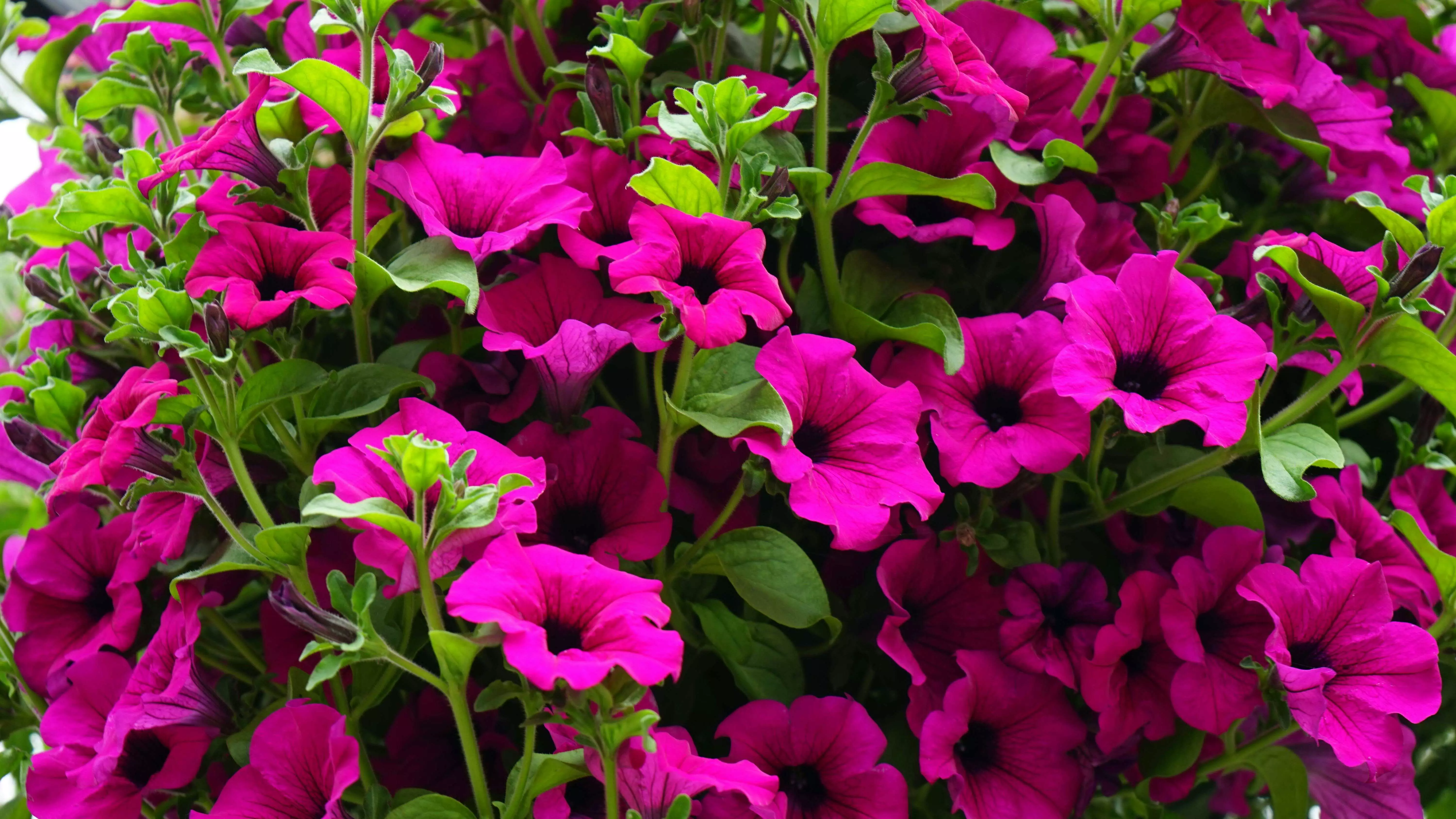
Hyderabad's nurseries and garden centres, and even roadside nurseries, are all making brisk sales of Petunia plants at this time of the year. Petunia plants are beloved for their vibrant and abundant flowers, making them a very popular choice for gardeners.
Origin
Petunias originate from South America, specifically regions within Brazil and Argentina, where they grow as wild, often lanky, perennial plants. They belong to the Solanaceae (nightshade) family, making them close relatives of tobacco, tomatoes, potatoes, and chili peppers.
Petunias come in a wide range, each with its unique characteristics and growth habits. Some popular petunia varieties are:
Grandiflora Petunias
Grandiflora petunias are known for their large and showy blooms, often measuring up to five inches in diameter. They come in a variety of colours and patterns, making them perfect for adding a splash of colour to your garden.
Multiflora Petunias
Multiflora petunias produce numerous smaller flowers and are more tolerant of adverse weather conditions, such as rain and wind. They are ideal for garden beds, borders, and containers.
Wave Petunias
Wave petunias are characterized by their spreading growth habit and abundant cascading blooms. They are excellent for hanging baskets, window boxes, and ground cover.
Trailing Petunias
Surfinia petunias are a type of trailing petunia that is perfect for creating stunning displays in hanging baskets and containers. Their cascading branches produce a profusion of flowers throughout the season.
To ensure the health and vitality of your petunia plants, proper care is essential. Here are some key factors.
Sunlight Requirements
Petunias thrive in full sunlight, ideally receiving at least six hours of direct sunlight per day. Place them in an area that gets ample sunlight for optimal growth and abundant blooms.
Soil Preparation
Prepare a well-draining soil mix enriched with organic matter before planting petunias. Good drainage is crucial to prevent waterlogged roots, which can lead to root rot.
Watering
Water petunias regularly, especially during hot and dry periods. Keep the soil moist but not overly saturated. Watering from the base of the plant or using drip irrigation helps prevent wetting the foliage and reduces the risk of fungal diseases.
Fertilization
Feed your petunia plants with a balanced, water-soluble fertilizer every two to three weeks during the growing season. This will provide them with the necessary nutrients for healthy growth and abundant blooms.
Deadheading
Remove faded flowers regularly to promote continuous blooming. Deadheading redirects the plant's energy from seed production to flower production, resulting in more vibrant blooms.
Benefits
Apart from their aesthetic appeal, petunia plants offer several benefits to your garden.
Pollinator Attraction
Petunia flowers are known to attract pollinators such as bees, butterflies, and small birds. By planting petunias, you can support local ecosystems and encourage pollination in your garden.
Versatile Landscaping Options
Petunias are incredibly versatile and can be used in various landscaping settings. They thrive in garden beds, borders, hanging baskets, containers, and even as ground cover, allowing you to create stunning displays wherever you choose to plant them.
Extended Blooming Period
With proper care, petunias can bloom for months on end, providing you with a long-lasting burst of colour and beauty throughout.


