The super fruit: How to make orange jam at home
Every citrus fruit, including oranges, traces its origins to the Southeastern Himalayan foothills (parts of modern India, Myanmar, and China)
By - Beyniaz Edulji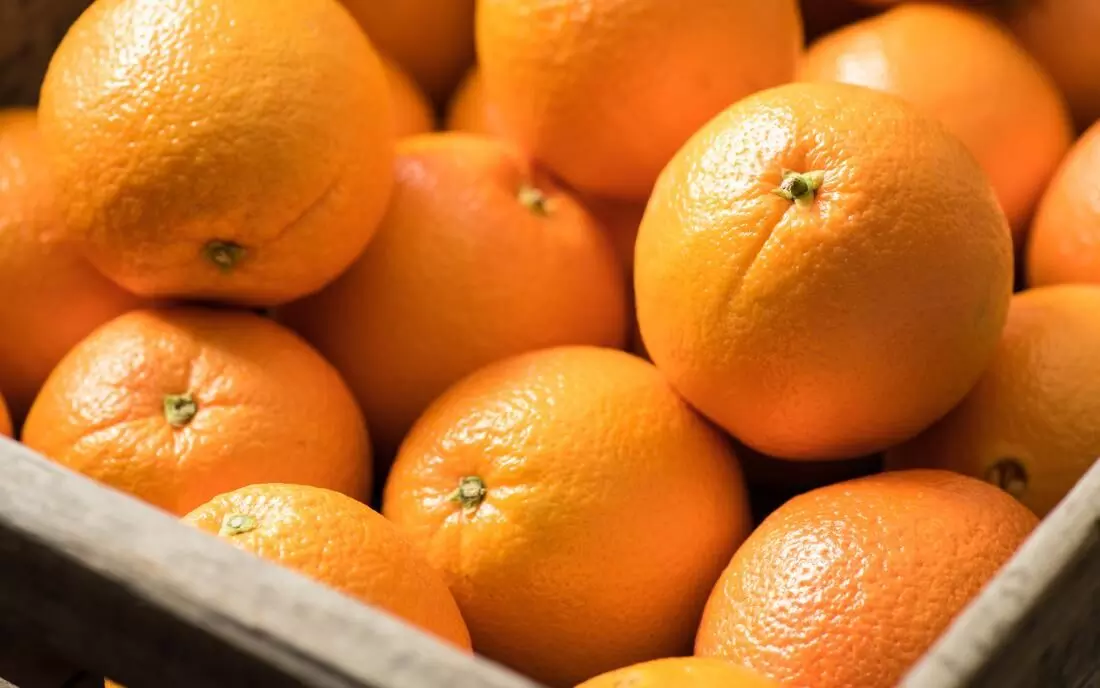
Hyderabad: In winter, in Hyderabad as well as the rest of India, oranges flood the market. Oranges originated in Southeast Asia, with the sweet orange being a hybrid of ancient pomelos and mandarins, first appearing in Chinese texts around 314 BC, spreading via trade routes to the Mediterranean, and later brought to the Americas by Columbus in the late 1400s, becoming a globally cultivated fruit known for its vitamin C and versatility in juices and food.
History
Every citrus fruit, including oranges, traces its origins to the Southeastern Himalayan foothills (parts of modern India, Myanmar, and China) around 8 million years ago, evolving from ancestors such as citrons, pomelos, and mandarins.
From China to the West
The sweet orange appeared in Chinese literature by 314 BC, cultivated from hybrids of pomelos and mandarins. Oranges traveled along ancient trade routes, reaching the Mediterranean via Arab traders around the 1st century BC. They became widely cultivated in Spain and Portugal during the Moorish rule, which began in the 8th century AD. The Portuguese introduced the sweet orange to Europe around the 1450s.
Arrival in the Americas and Global Cultivation
Christopher Columbus brought orange seeds to the New World(Hispaniola) on his second voyage in 1493. Spanish missionaries and explorers planted orange groves throughout the Americas, establishing them in Florida and California, where the climate was suitable.
Modern Production
Today, Brazil, India, China, and the U.S. (Florida, California) are major global producers, with Brazil leading production.
Origin
The orange originated in Southeast Asia (China/India/Myanmar), first mentioned in Chinese texts around 314 BC, evolving from a mandarin-pomelo cross, spreading via trade routes like the Silk Road, reaching Europe via Arab traders and Portuguese explorers who brought it to the Americas, becoming a vital source of Vitamin C and a globally significant fruit for juice and fresh eating, with its name adopted from the fruit itself in the 16th century after the color was known as "yellow-red."
Spread
The sweet orange likely came from a natural hybrid of mandarin and pomelo in the region of Southern China, Northeast India, and Myanmar.
Sweet oranges were cultivated in China by the 4th century BCE.Arab traders and later Portuguese explorers spread the fruit to Europe and eventually the Americas in the 15th-16th centuries.
Naming and Color
The word "orange" comes from the Sanskrit narangi, through Persian and Arabic (naranja), entering European languages. The English word for the color orange wasn't used until the fruit arrived in Europe; before that, it was called "saffron" or "yellow-red".
Cultural Significance
Oranges appeared in Chinese art centuries before Western art, and by the 17th century, orangeries were symbols of prestige in Europe.
Health Value
Oranges became crucial for sailors due to their high Vitamin C content, preventing scurvy.
Economic Crop
Today, oranges are a major global crop, with Brazil, India, and China leading production, primarily for juice.
Originally Green in colour
The orange fruit was originally green but turned orange when Europeans grew it in colder climates. The orange's history starts in the Himalayan foothills 8 million years ago, with citron being the first species to head west. By the 11th century, oranges were being grown in Southern Europe, though they had a bitter flavor and were used primarily for medicinal purposes.
Nutritional Value
Oranges are packed with nutrients, primarily offering over 100% of your daily Vitamin C, plus good amounts of fiber, potassium, folate, and antioxidants, while being low in calories, fat, and sodium. A single medium orange provides around 60-70 calories, 3 grams of fiber, and significant Vitamin C, supporting immunity, heart health, and skin health.
Health Benefits
Antioxidant Power: Vitamin C protects cells from damage.
Heart Health: Fiber, potassium, and phytonutrients support cardiovascular function.
Skin Health: Vitamin C aids collagen production for youthful skin.
Digestive Health: Fiber promotes regularity.
Oranges are nutritional powerhouses, primarily offering high doses of Vitamin C for immune support, collagen production, and iron absorption, plus fiber for digestion, heart health, and blood sugar control, along with essential folate, potassium, antioxidants (flavonoids), and hydration, all while being low in calories to support overall wellness, skin, eye, and heart health.
Immune System Boost: Rich in Vitamin C, oranges stimulate white blood cell production, strengthening your body's defense against infections.
Antioxidant Power: Contains flavonoids and carotenoids that fight free radicals, reducing inflammation and lowering the risk of chronic diseases like cancer and heart disease.
Digestive Health: The fiber promotes regularity, supports gut bacteria, and helps manage cholesterol and blood sugar.
Heart Health: Potassium and fiber help maintain healthy blood pressure and cholesterol levels.
Skin and Wound Healing: Vitamin C is vital for collagen synthesis, leading to healthier skin and faster wound repair.
Eye Health: Antioxidants like carotenoids can help protect against age-related vision loss.
Folate: Essential for cell division and DNA, particularly important during pregnancy for preventing birth defects.
Hydration: High water content helps meet daily fluid needs, aiding digestion and body temperature regulation.
Other Nutrients:
Potassium: Supports heart and nerve function.
B Vitamins: Thiamine (B1) for metabolism.
Minerals: Small amounts of calcium.
Good for weight management (low calorie), Energy boost, Blood sugar control (due to fiber), and preventing iron-deficiency anemia (Vitamin C aids iron absorption).
Homemade Orange Jam Recipe
Ingredients
5 large Oranges - peel, remove skin, and separate the segments.
Measure the segments. (You should get about 1 cup.)
1/2 cup sugar
Juice of 1/2 lime
Method
Mix the orange segments (and any juice collected while peeling), lime juice, and sugar, and leave for some time. Once sugar has melted, keep it on a low flame and cook. Keep stirring in- between to mix and ensure it's not sticking to the bottom of the vessel. Cook till the jam thickens. Test between the fingers for a sticky feel. You can also test the consistency by leaving a drop in a saucer to cool. The drop should hold shape.
Empty into a sterilized bottle while warm. Leave to cool completely. Keep in fridge.


