Understanding avocado: Nutrition benefits, history and how to eat it
All about avocado in terms of nutrition benefits, history and how to eat it
By - Beyniaz Edulji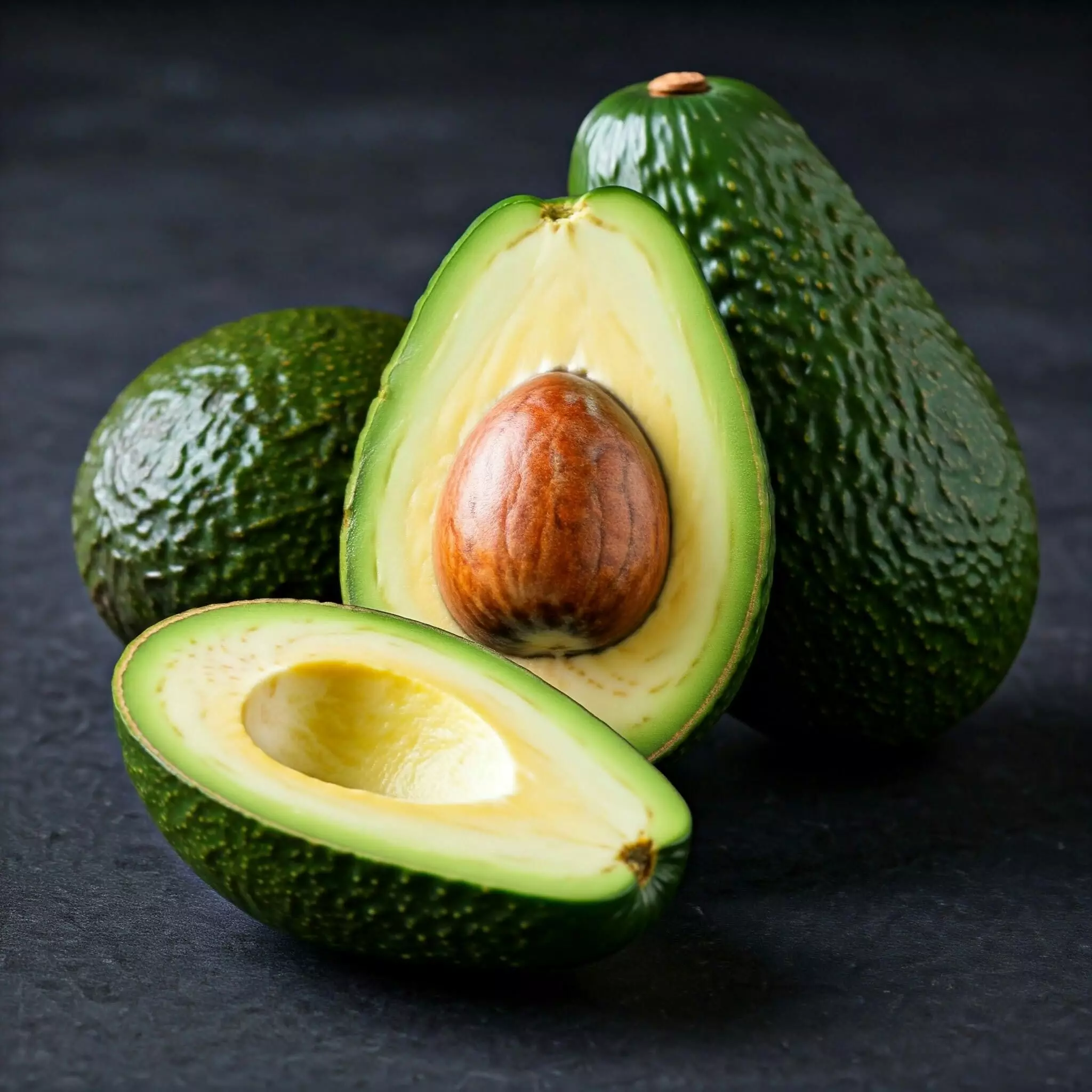
All about avocado: Nutrition benefits, history and how to eat it
Hyderabad: Avocado is the fruit of the avocado tree, scientifically known as Persea Americana. It is called the ‘makkhan fal’ in India. Avocados have a high-fat content and are yet considered one of the healthiest fruits you can add to your diet.
What makes avocado unique among fruits?
While most other fruits consist mainly of carbohydrates, avocado is high in healthy fats and has powerful health benefits.
The ‘fatty’ fruit can, in fact, even aid weight loss. This is because avocados are loaded with good Monounsaturated Fatty Acids (MUFA), which do not pile up calories.
Instead, they help lubricate joints and lower blood pressure.
What is the history of avocados?
Avocado history starts in Mesoamerica (modern Mexico/Central America) over 10,000 years ago, with ancient civilisations like the Maya and Aztecs cultivating them for food and culture.
Spanish explorers introduced them to Europe in the 16th century, calling them ‘aguacate,’ while they spread globally through colonisation. Serious cultivation with grafting began only around 1900, leading to modern orchards, with California's ‘Hass’ variety becoming globally dominant in the 20th century.
Journey of avocado from Tehuacan Valley 10,000 years ago
South-central Mexico, especially the Tehuacan Valley, is considered the homeland.
Archaeological evidence shows consumption as far back as 10,000 years ago, with early varieties having less flesh. Humans began cultivating avocados around 5,000 years ago.
It had cultural significance for the Aztecs. The Maya calendar featured an avocado glyph, and the Aztecs believed they provided strength.
Spanish Explorers introduced avocados to Spain in the 1600s, and adapted the Aztec word ‘ahuacatl’ into ‘aguacate.’
It then spread to the Caribbean in the 1700s, Brazil in 1809 and then to the US (Florida/California in the 1830s-50s). Avocados were called ‘alligator pears’ in some English-speaking areas.
Hass avocado cultivation
Around 1900, grafting techniques revolutionised avocado farming, allowing for consistent quality.
Hass Avocado was discovered in California in the 1920s, and this variety proved highly successful and now dominates global production. Following grafting and the rise of the Hass, avocado industries flourished worldwide in suitable climates.
How to eat an avocado?
There are so many ways to consume this powerhouse of nutrition. Here are some of the easy-to-make, tasty ways:
1. Toast Topping: Mash onto toast with salt, pepper or other seasonings.
2. Salads: Cube and add to any salad for creaminess and nutrients.
3. Smoothies: Blend into smoothies for a creamy texture and healthy fats.
4. Guacamole: Mash with lime juice, onion, tomato, cilantro and salt.
5. Sandwiches and wraps: Use as a spread instead of mayonnaise.
6. Grilled: Halve, drizzle with oil and lemon, and grill the cut-side down.
7. Baked: Use in baked goods or as a base for chocolate mousse.
8. Dip: An avocado dip is a creamy, smooth spread made primarily from mashed avocados, often blended with ingredients like sour cream or Greek yoghurt, citrus juice and various seasonings for flavour and to prevent browning. It is distinct from traditional guacamole, which typically has a chunkier texture.
9. By the spoonful: Simply scoop out and eat plain, perhaps with a squeeze of lime.
Avocado Dip recipe
Ingredients
1 ripe avocado, peeled and pitted
¼ cup plain Greek yoghurt or sour cream
A squeeze of lime juice to taste
1 clove of fresh garlic, finely chopped
¼ teaspoon salt
Chopped fresh green coriander
Method
Mash the avocado flesh in a small bowl until it reaches your desired consistency (smooth or slightly chunky). A food processor can be used for a very smooth dip.
Mix in the Greek yoghurt (or sour cream), lime juice, garlic, and salt.
Adjust seasonings as needed. Taste the dip and add more salt or lime juice to improve the flavour.
Nutrition and benefits of avocado
1. Anti-inflammatory properties: Avocados are rich in anti-inflammatory properties, which help relieve arthritis pain.
It is also a source of omega-3 fatty acids, which help lubricate joints and further relieve joint pains.
2. Regulates blood pressure: Avocados may do wonders in keeping your blood pressure levels in check too. Avocados are a good source of potassium and are low in sodium, which helps keep your blood pressure stable. A stable blood pressure helps stave off the risk of a heart attack or stroke. Avocados help regulate blood pressure.
3. Good for heart: In addition to being a healthy bet for blood pressure patients, avocados are also a rich source of antioxidants and monounsaturated fats, which help keep the heart healthy and reduce the risk of stroke. Eating avocado can also regulate LDL and HDL cholesterol levels, as well as blood triglycerides.
4. Boosts fertility: Avocados help boost fertility and improve the chances of conceiving, too. It is also linked to increasing the success of IVF treatment.
5. Good for eyes: Including avocados in your diet may help improve eyesight.
Avocados are loaded with beta-carotene and antioxidants, which are beneficial for the eyes. They also contain lutein and zeaxanthin; both nutrients help maintain good eyesight, night vision, and minimise damage from ultraviolet light.
The high amount of vitamin A also helps reduce the risk of macular degeneration that develops with old age. The monounsaturated fatty acids in avocados help in better absorption of beneficial fat-soluble antioxidants, such as beta-carotene, too.
6. Good source of folate: Avocados are a good source of folate. Pregnant women must include avocados in their diet as folate helps healthy foetal development.
Several studies have also claimed that folate decreases the risk of depression. Folate prevents the build-up of homocysteine. This substance tends to hamper circulation and the delivery path of nutrients to the brain.
7. Improved digestion: Avocados are loaded with fibre that may help prevent constipation, boost digestion and colon health. Fibre adds bulk to the stool, which facilitates bowel regularity, thereby enhancing digestion.
8. Powerhouse of nutrients: Avocado is a powerhouse of many essential nutrients and minerals. It is rich in vitamin K, B5, B6, B3, E and C. They are also dense in potassium, folate, magnesium, manganese, copper, iron, zinc and phosphorus.
9. Avocado benefits for weight loss: The high-fibre content present in avocado could help make you shed a pound or two as well. As much as 100 grams of avocado has seven grams of fiber. Fibre takes the longest to digest. It induces the feeling of fullness, which prevents you from bingeing later. Avocados are very low in carbs, too, which also promotes weight loss.
10: Helps absorb nutrients: Avocados ensure better consumption of nutrients from plant source foods.
There are several nutrients which are fat-soluble. This means that they need to combine with fats for them to be utilised by the body. Vitamins A, D, E and K are some plant nutrients that are better absorbed with avocado.
11. Keep the skin healthy: Avocados are rich in vitamin C (amounting to 17 per cent of the recommended daily intake) and vitamin E (amounting to 17 per cent of the recommended daily intake), both of which are essential in keeping the skin healthy and glowing.


