Why has broccoli become so popular in India
Broccoli, botanically known as Brassica oleracea italica, is native to the Mediterranean. Broccoli has been considered a valuable food by the Italians since the Roman Empire
By - Beyniaz Edulji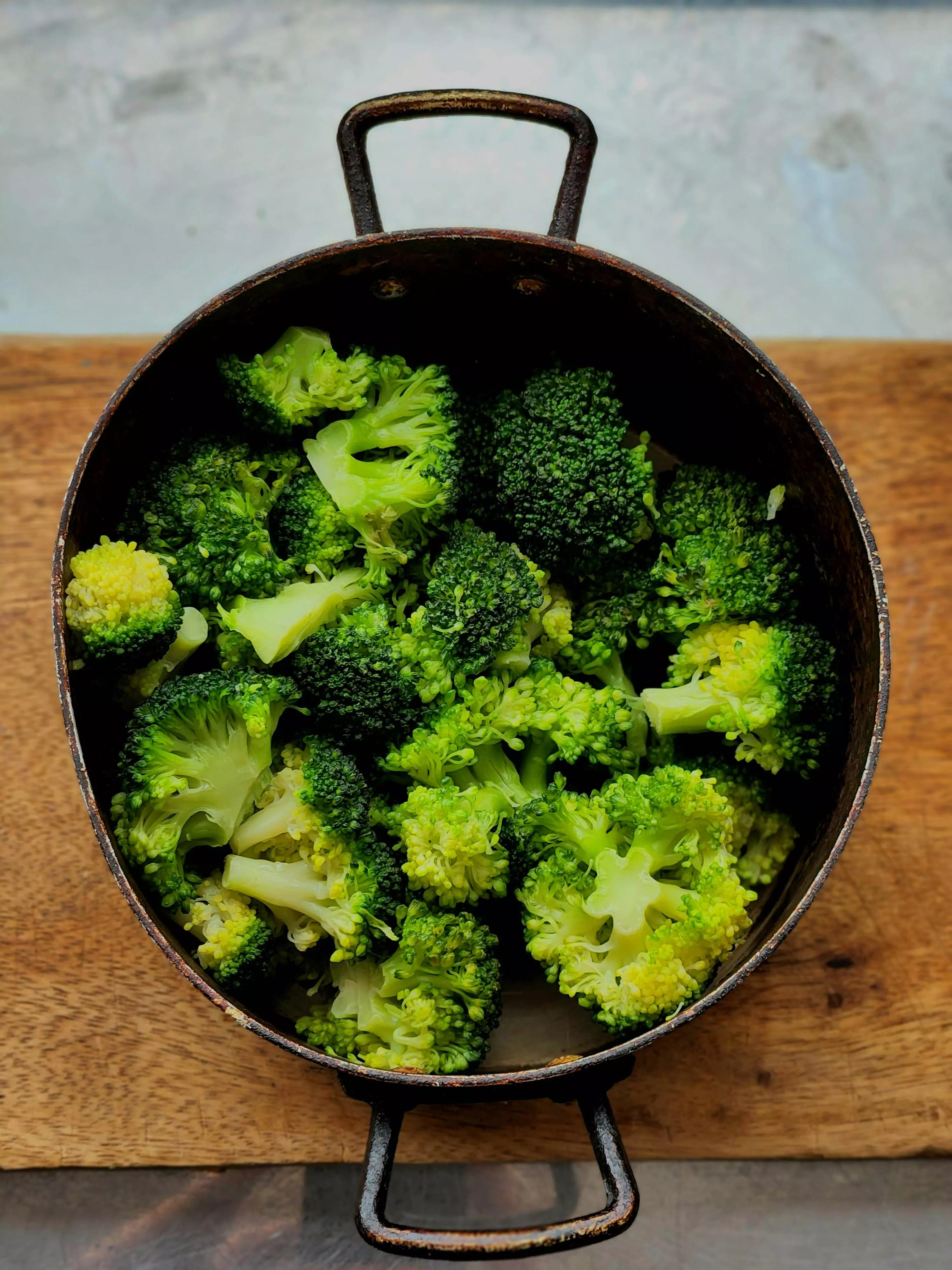
Hyderabad: Broccoli, a previously exotic vegetable, is now popular everywhere in Hyderabad as well as the rest of India. It is now common in cities, found in supermarkets, online grocery stores and on restaurant menus.
It is used in salads, soups, stir-fries, curries, tandoori and fusion dishes. It is available fresh, frozen and pre-packaged. Due to the many ways that it can be cooked, as well as its major health benefits, broccoli has tripled in consumption over the past 30 years.
Native to the Mediterranean
Broccoli, botanically known as Brassica oleracea italica, is native to the Mediterranean. Broccoli has been considered a valuable food by the Italians since the Roman Empire, but when first introduced in England in the mid-18th century, broccoli was referred to as ‘Italian asparagus.’
Broccoli originated in the Mediterranean region, developed from wild cabbage (Brassica oleracea) by ancient Roman-era farmers, likely the Etruscans, as early as the 6th century BC. It was created through selective breeding for larger flower buds, making it a man-made vegetable, and it was later introduced to England and the US around the 18th and 19th centuries.
Broccoli is a descendant of wild mustard/cabbage and was cultivated in the eastern Mediterranean. It was cultivated in Italy during the Roman Empire, and its name derives from the Italian word broccolo, meaning ‘the flowering crest of a cabbage.’
Spread and popularity
While popular in Italy for centuries, it was introduced to England in the 1700s and brought to the United States in the 19th century. Broccoli was not widely consumed in the US until the 1920s, when commercial cultivation began in California.
Related species
Broccoli is closely related to cauliflower, kale, cabbage and Brussels sprouts,
There are records of US President Thomas Jefferson, who was an avid gardener, experimenting with broccoli seeds brought over from Italy in the late 1700s, but although commercial cultivation of broccoli dates back to the 1500s, it did not become a popular food in the United States until Southern Italian immigrants brought it over in the early 1920s.
Gaining popularity in India
Broccoli, once an exotic import, is now a popular cool-season vegetable grown and widely available in India, especially in urban areas, valued for its nutrients like Vitamins C and K and fibre, fitting well into modern Indian diets through fusion dishes, stir-fries, and salads, with cultivation thriving in temperate regions and crops being grown for their high demand.
Introduced in the 1990s, it’s cultivated like cauliflower, requiring well-fertilised soil and cool weather, and is sold fresh, frozen, or in ready-to-cook packs.
Cultivation in India
It is a cool-season crop and grows best in temperatures between 18-23°C. It needs moist, well-drained, fertilised soil.
Varieties in India
Palam Samridhi and Punjab Broccoli-1 are common Indian varieties. They were introduced to India around the 1990s, with Jitendra Ladkat credited for pioneering their cultivation in Pune. The large head and thick stalk broccoli we are most familiar with is Calabrese broccoli, named after Calabria, Italy, although it is typically labelled simply as broccoli. Even though it is available in stores year-round, it is a cold-weather crop. There is another variety that features several thin stalks and heads called sprouting broccoli, and you may also come across Romanesco broccoli, which is tightly packed in a cone shape and is bright green in colour. No matter which variety you get, broccoli is rich in calcium and has antioxidant properties which help prevent some forms of cancer.
Health benefits of broccoli
Cruciferous vegetables like broccoli provide sulfur-containing compounds that are responsible for their often-pungent taste. These bioactive compounds may have numerous health benefits.
Cancer ‘prevention’
Broccoli is loaded with compounds that are believed to protect against cancer. Observational studies suggest that the consumption of cruciferous vegetables, including broccoli, is linked to a reduced risk of many cancers, including lung, colorectal, breast, prostate, pancreatic and stomach cancers.
Lower cholesterol levels
Broccoli lowers cholesterol levels.
Eye health
Two of the main carotenoids in broccoli, lutein and zeaxanthin, are associated with a decreased risk of age-related macular degeneration, an eye disease that can impair vision. Additionally, Vitamin A deficiency may cause night blindness, which can be reversed with improved vitamin A status.
Broccoli contains beta carotene, which your body converts into vitamin A. This vegetable may thus boost eyesight in individuals with a low vitamin A intake.
Recipe for Broccoli and Cheese
Ingredients
4 cups broccoli florets
1 cup water
Cheese Sauce
1 cup milk
1 tablespoon corn flour
1 cup shredded cheddar cheese
1 tablespoon grated Parmesan cheese
Salt, pepper and chilli flakes to taste
Instructions
Wash broccoli and place it in a pan. Add 1 cup of water and bring to a simmer over medium heat. Cover broccoli and steam 3-5 minutes. Remove and place in a bowl. Cover to keep warm.
Whisk milk and cornstarch together in a bowl. Pour into a pan and whisk over medium heat until the mixture thickens.
Turn the heat to low and add cheese. Whisk until smooth.
Season with salt, pepper and chilli flakes. Pour over broccoli and serve.


