Fighting cancer to regulating blood pressure: The health benefits of pomegranate
Pomegranate, a universally favourite fruit, is grown in India year-round and is available everywhere
By - Beyniaz Edulji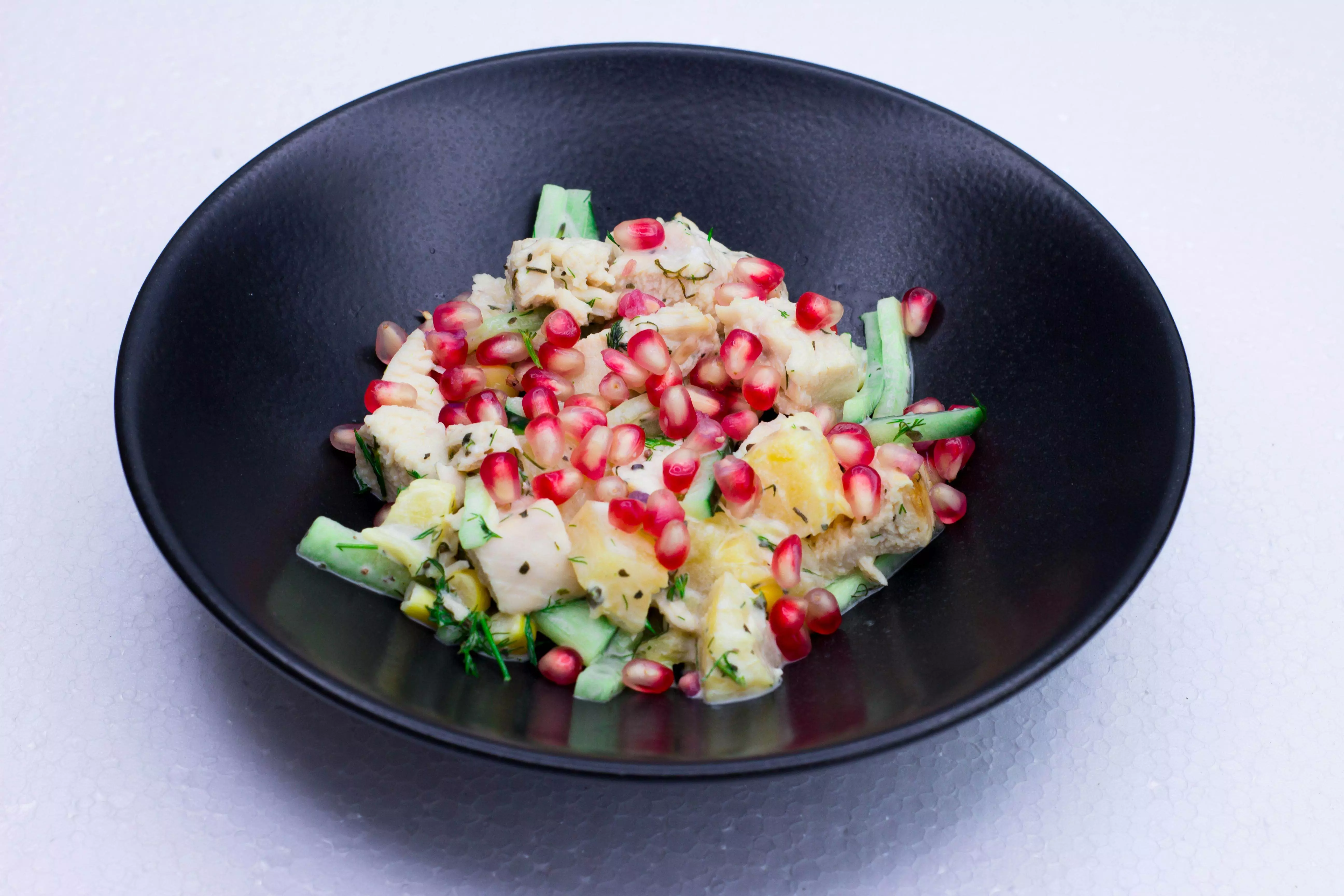
Pomegranate, a universally favourite fruit, is grown in India year-round and is available everywhere
Pomegranate, a universally favourite fruit, is grown in India year-round and is available everywhere.
Origin
Pomegranates originated in the region from Iran to northern India and are now grown commercially in many warm, dry climates worldwide. Major producing countries are India, Turkey, Iran, and Afghanistan, with large-scale cultivation also occurring in the Southern States of America. They grow well in areas with high temperatures and a dry atmosphere during the ripening period.
The genus name for pomegranates (Punica) came from the Roman name for Carthage, an ancient city in Northern Africa, and so the Romans mistakenly assumed pomegranates originated in Africa. But in fact, pomegranates are considered to have originated from Iran, south-west Pakistan, and parts of Afghanistan.
Latin Name
The pomegranate fruit was also given a classical Latin name, Malum granatum, meaning "grainy apple".
It is botanically a berry.
True berries are fleshy fruits that come from a single flower with one ovary and typically have several seeds. Pomegranate fruit falls into this group.
The dry outer covering (husk) of the pomegranate is made up of two layers. An outer, hard layer is called an epicarp, and an inner, soft layer is called a mesocarp. The inner mesocarp forms distinct, non-symmetrical chambers containing seeds with a fleshy covering (aril).
Symbolic
In Greek mythology, the pomegranate was known as the ‘fruit of the dead’ as it was said to have arisen from the blood of Adonis. It also prominently featured in the myth of Hades and Persephone. Hades, God of the underworld, used pomegranate seeds to trick Persephone into returning to the underworld for a few months of every year. Alongside death, the pomegranate symbolized fertility in Ancient Greece and Rome.
It had a strong association with Aphrodite, the Greek goddess of love, as well as Hera, the Greek goddess of marriage and childbirth. In Ancient Rome, newlywed women wore crowns woven from pomegranate leaves, and the juice of pomegranates was used to cure infertility.
Different Cultures
In the Quran, pomegranates grow in the Garden of Paradise and are referred to on multiple occasions as God’s good creations.
The pomegranate is also said to be found in the Garden of Eden, according to Ancient Iranian Christianity, and was believed to be the real forbidden fruit rather than the apple.
During the non-Christian Iranian tradition, Yalda Night, people come together on the winter solstice and eat pomegranate fruit to celebrate the victory of light over darkness.
Rich in Nutrients
Pomegranates offer numerous health benefits, including powerful antioxidant and anti-inflammatory effects, which can protect against heart disease and certain cancers. They are also rich in nutrients like vitamin C and fiber, and studies suggest they can improve memory, boost exercise endurance, and potentially support urinary and digestive health.
Antioxidant
Pomegranates are packed with antioxidants like punicalagins and anthocyanins, which help fight oxidative stress and inflammation.
These compounds can protect artery walls from thickening and reduce cholesterol buildup.
Heart health
Pomegranate consumption may help reduce "bad" LDL cholesterol and increase "good" HDL cholesterol. It can also help improve blood pressure.
Exercise
Pomegranates may help improve exercise endurance and reduce muscle soreness after heavy training.
Cancer prevention
Pomegranate extracts have been shown to inhibit the growth and spread of certain cancer stem cells. Studies suggest potential benefits against prostate and breast cancers.
More benefits
Brain Health-Pomegranates may help improve memory.
Urinary and digestive health-They can provide support for both urinary and digestive health.
Antimicrobial Effects-Pomegranates have shown antibacterial and antifungal properties.
NutrientRich-They are an excellent source of vitamin C, vitamin K, and folate, and a good source of fiber and potassium.
The seeds of the fruit can be eaten, or added to salads, yogurt, or smoothies. Pomegranate juice is very popular, but eating the fruit provides added fiber.
Pomegranate can be used in a variety of recipes, including salads, drinks, sauces, and desserts. Pomegranate arils provide a burst of sweet-tart flavor and vibrant color.
Pomegranate and Walnut Chicken Salad Recipe
Ingredients
1 cup cooked chicken, chopped
½ cup pomegranate seeds
¼ cup chopped walnuts
¼ cup chopped celery
2 tbsp olive oil
1 tbsp vinegar (red wine or balsamic)
Salt and pepper to taste
Instructions
In a large bowl, combine the chicken, pomegranate seeds, walnuts, and celery.
In a small separate bowl, whisk together the olive oil and vinegar.
Pour the dressing over the chicken mixture and mix well.
Season with salt and pepper as per taste.
Refrigerate and serve cold.


